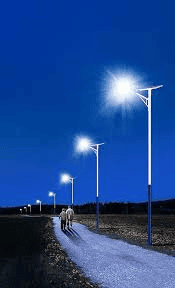
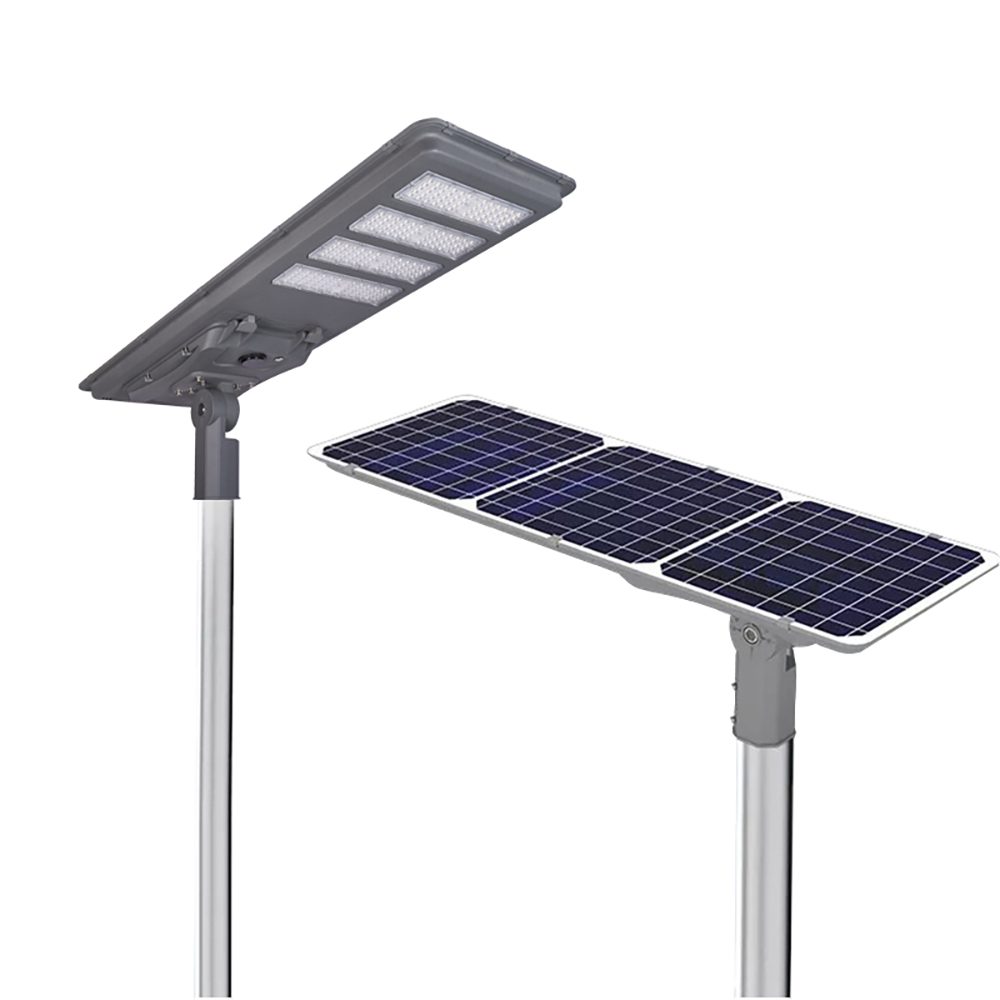
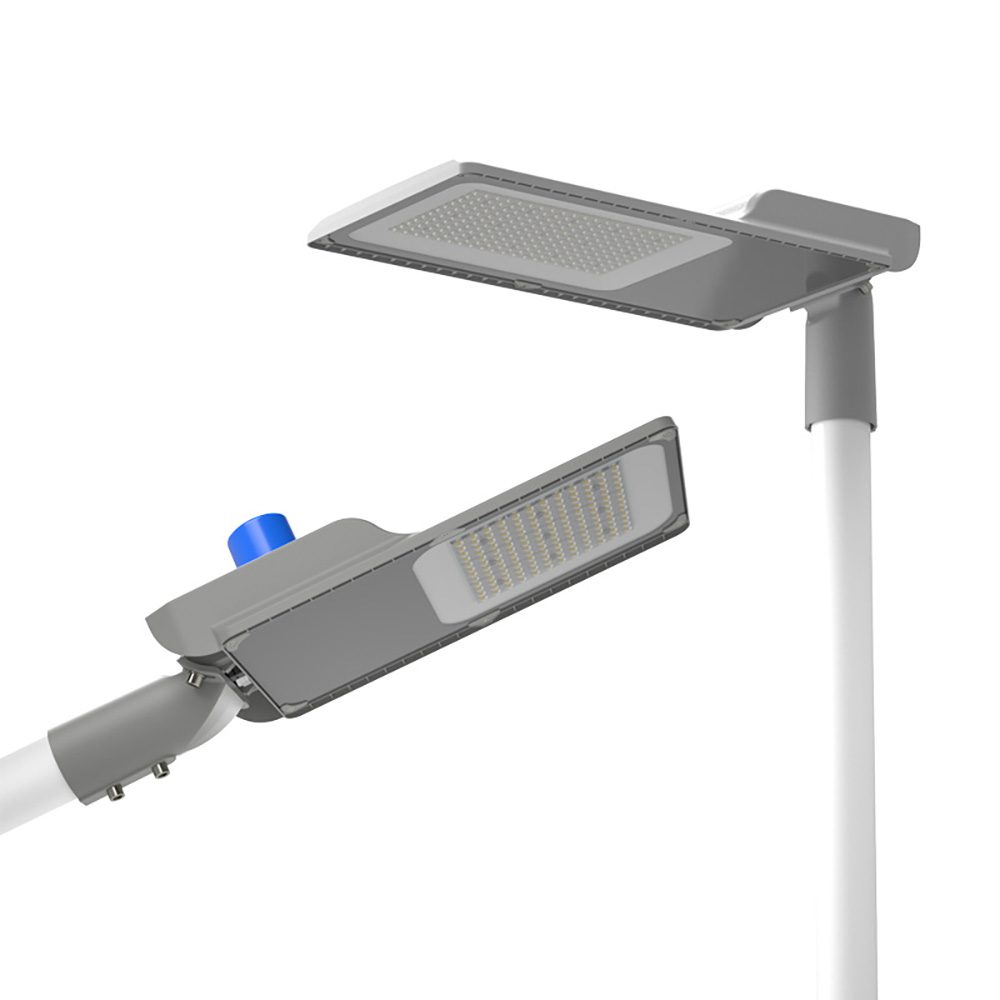
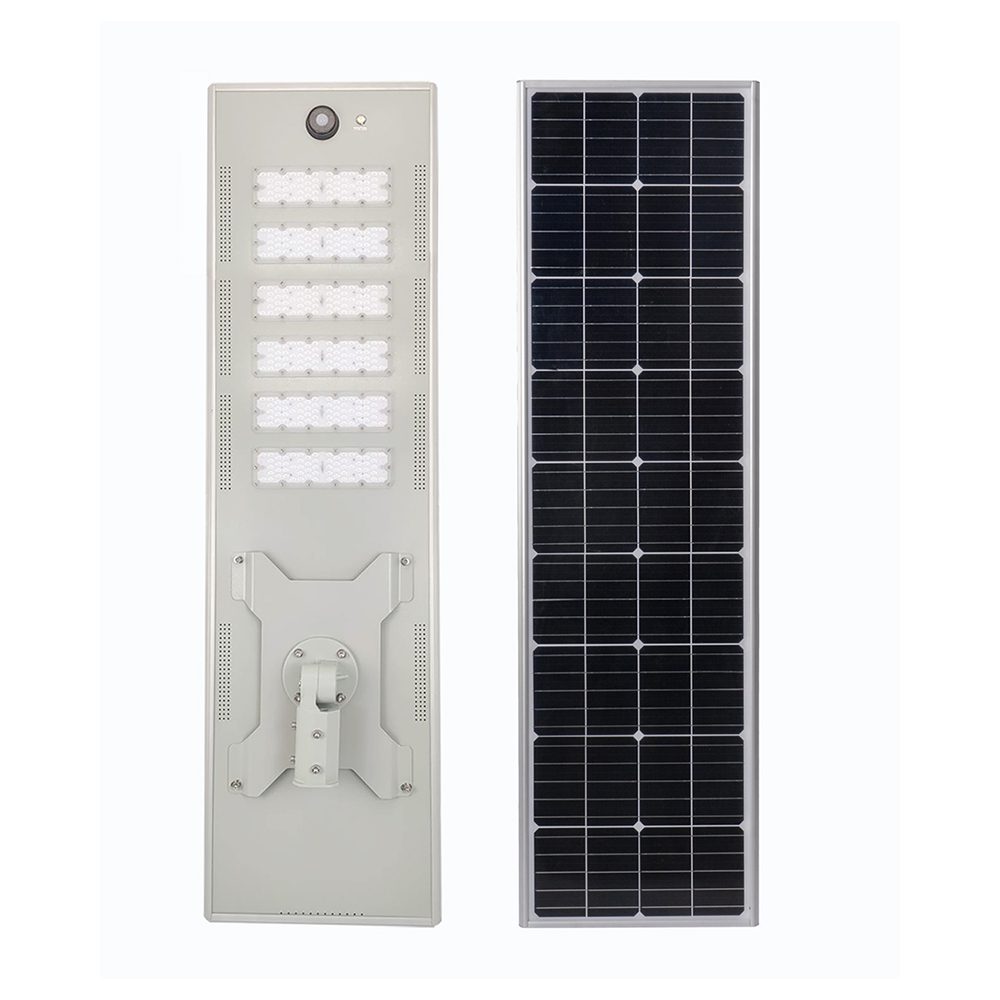

Solar street lights are widely applied in rural roads, urban streets, parks, industrial zones and remote areas for their energy-saving, eco-friendly and self-powered advantages. With no grid electricity consumption and low operating costs, they have become the mainstream choice for outdoor public lighting. Though LED solar street lights feature long service life and high stability, scientific and regular maintenance is essential to maintain continuous high-efficiency operation, avoid frequent failures and extend the overall service life.
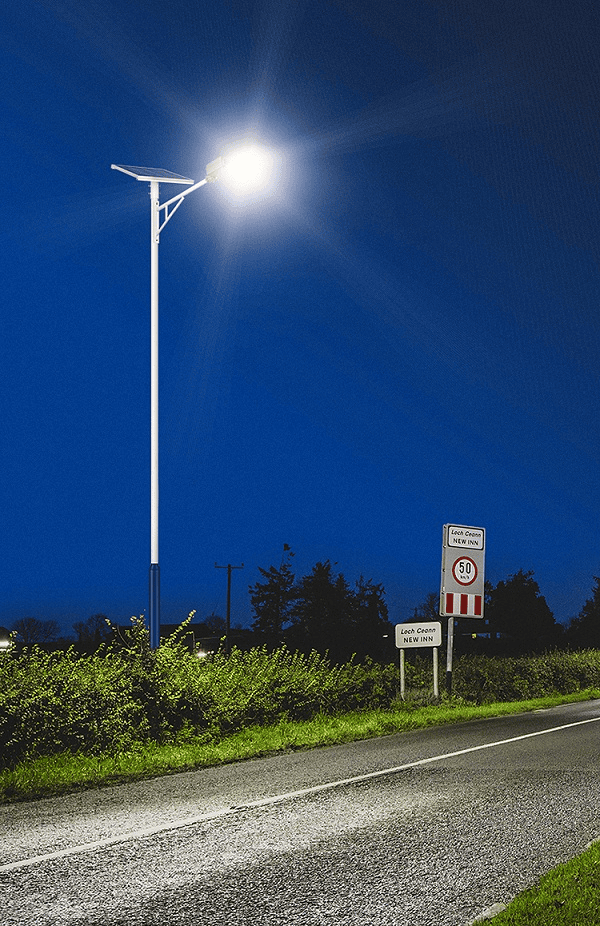
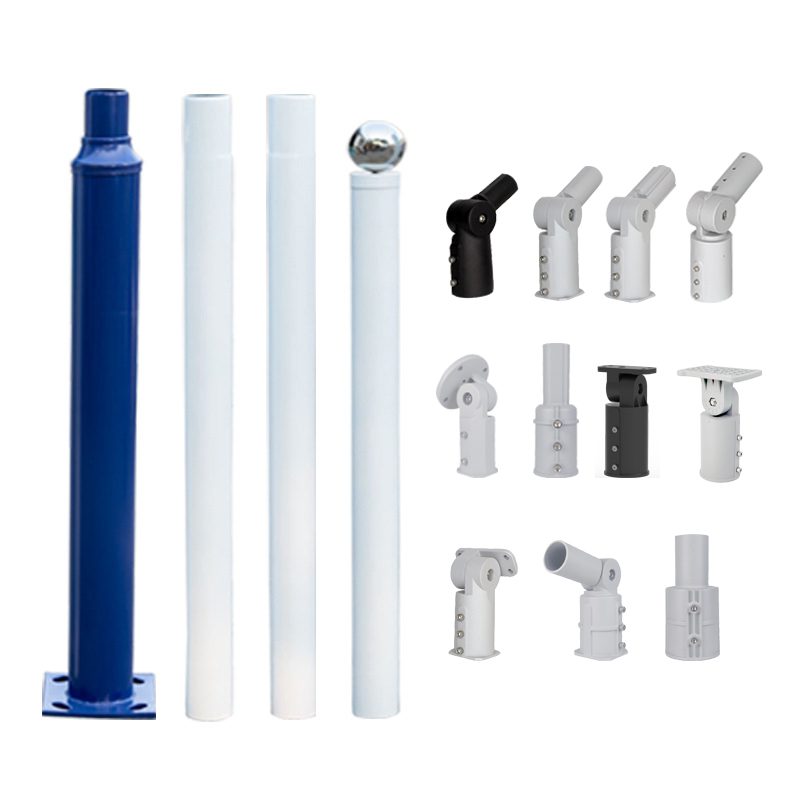
The core maintenance focuses on four key components: solar panel, LED lamp head, battery and controller. As the energy absorption core, solar panels are easily covered by dust, fallen leaves, bird droppings and sediment, which will block sunlight and reduce photoelectric conversion efficiency. It is recommended to clean the panel surface with a soft damp cloth every 2-3 months. For dusty, rainy or seaside areas with heavy salt fog, the cleaning cycle can be shortened to 1 month. Meanwhile, check the bracket fastening status and installation angle regularly to prevent displacement caused by strong wind or external impact.
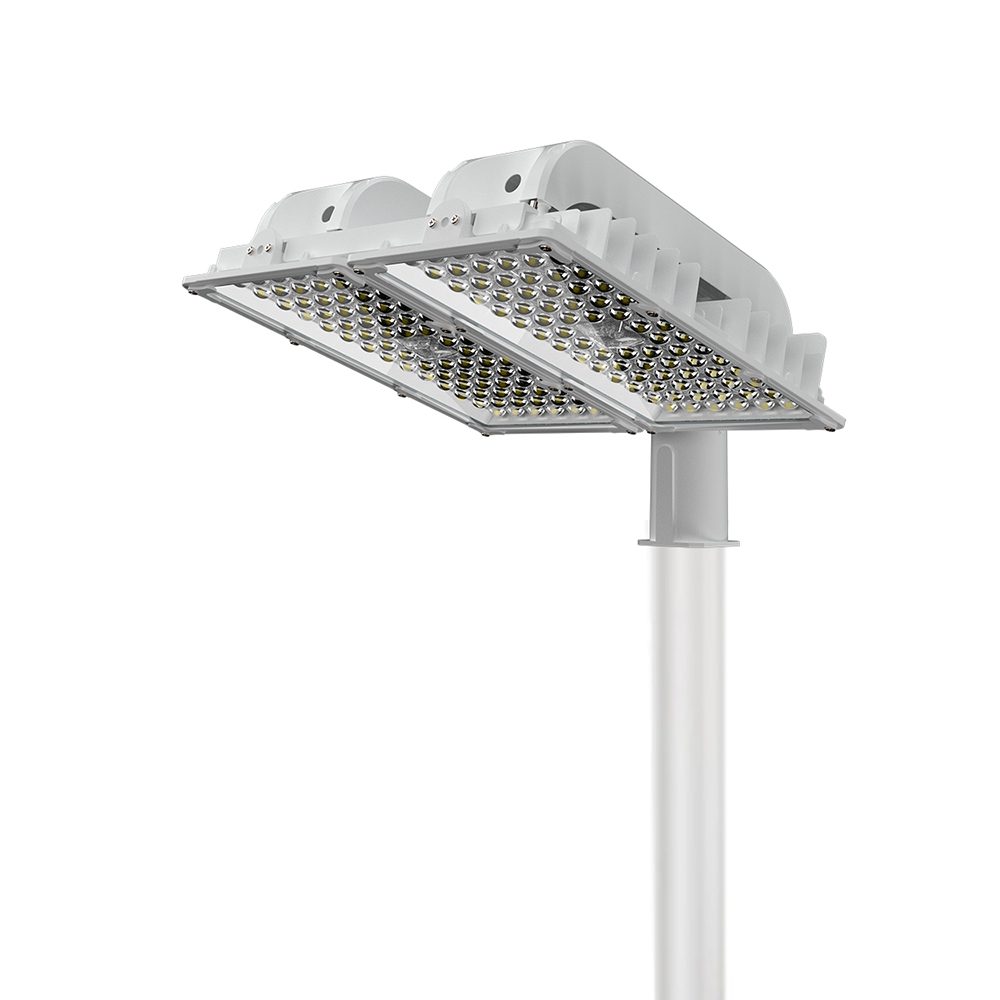
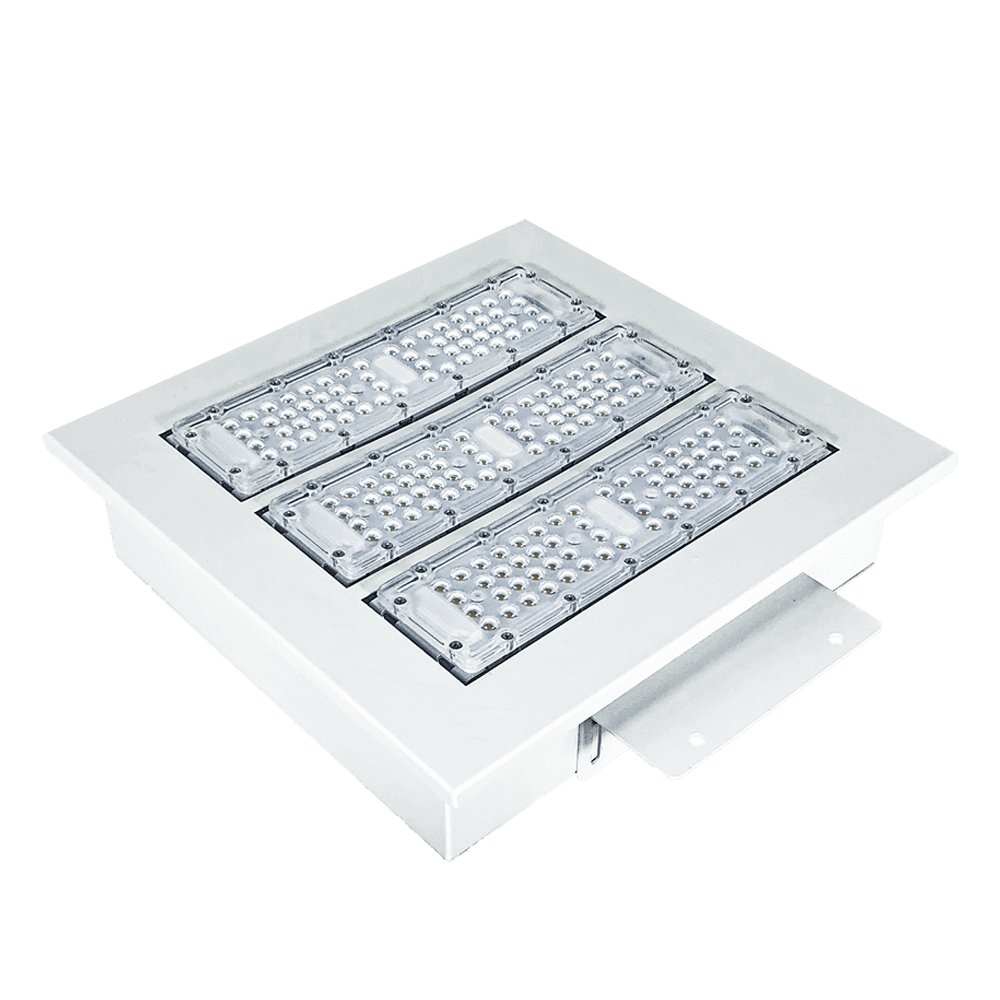
For the LED lamp head, long-term outdoor exposure may lead to dust accumulation on the lampshade and blocked heat dissipation holes, resulting in light attenuation and shortened lamp bead life. Users need to clean the lampshade dirt quarterly and check for shell cracks or water leakage. If stroboscopic lighting, dimming or partial dark areas occur, inspect the driving circuit and replace aging accessories in time. Good heat dissipation is the key to reducing LED light decay and ensuring long-term stable lighting performance.
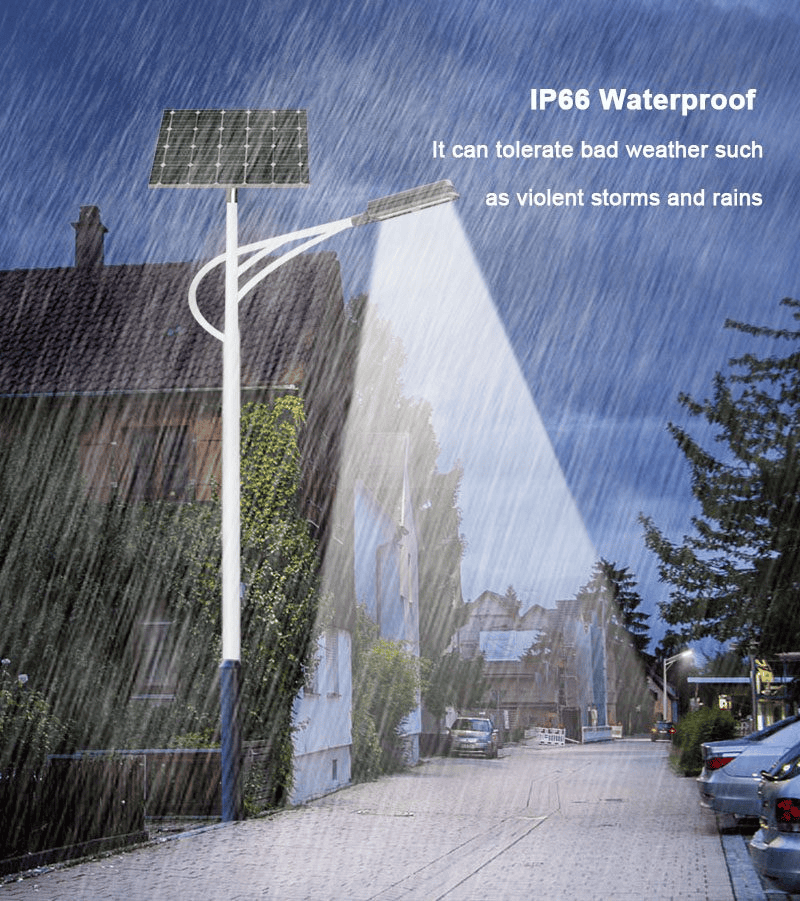
Battery and controller maintenance determines the system’s stable operation. It is necessary to regularly check the battery compartment tightness to avoid rainwater infiltration, short circuit or battery leakage. Prevent the battery from long-term overcharging and over-discharging, and adapt the controller parameters according to seasonal changes. In winter with insufficient sunlight, appropriately extend the charging time; in summer high-temperature weather, strengthen heat dissipation to avoid battery thermal aging. In addition, inspect line connections regularly to prevent wire aging, loosening and electric leakage risks.
Standardized seasonal maintenance can effectively reduce failure rates. Simple daily inspection and regular deep maintenance can maximize the performance of solar street lights, reduce after-sales costs, and ensure stable and continuous outdoor lighting in all weather conditions.