
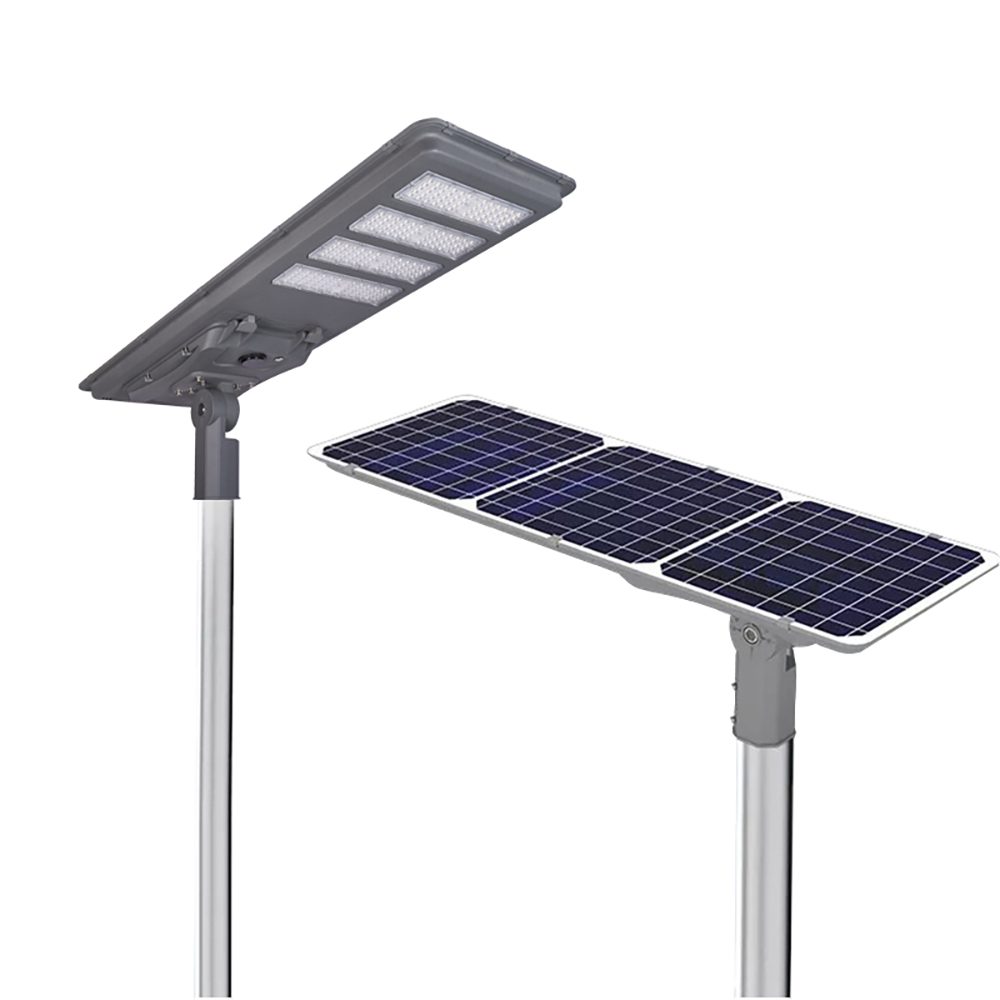
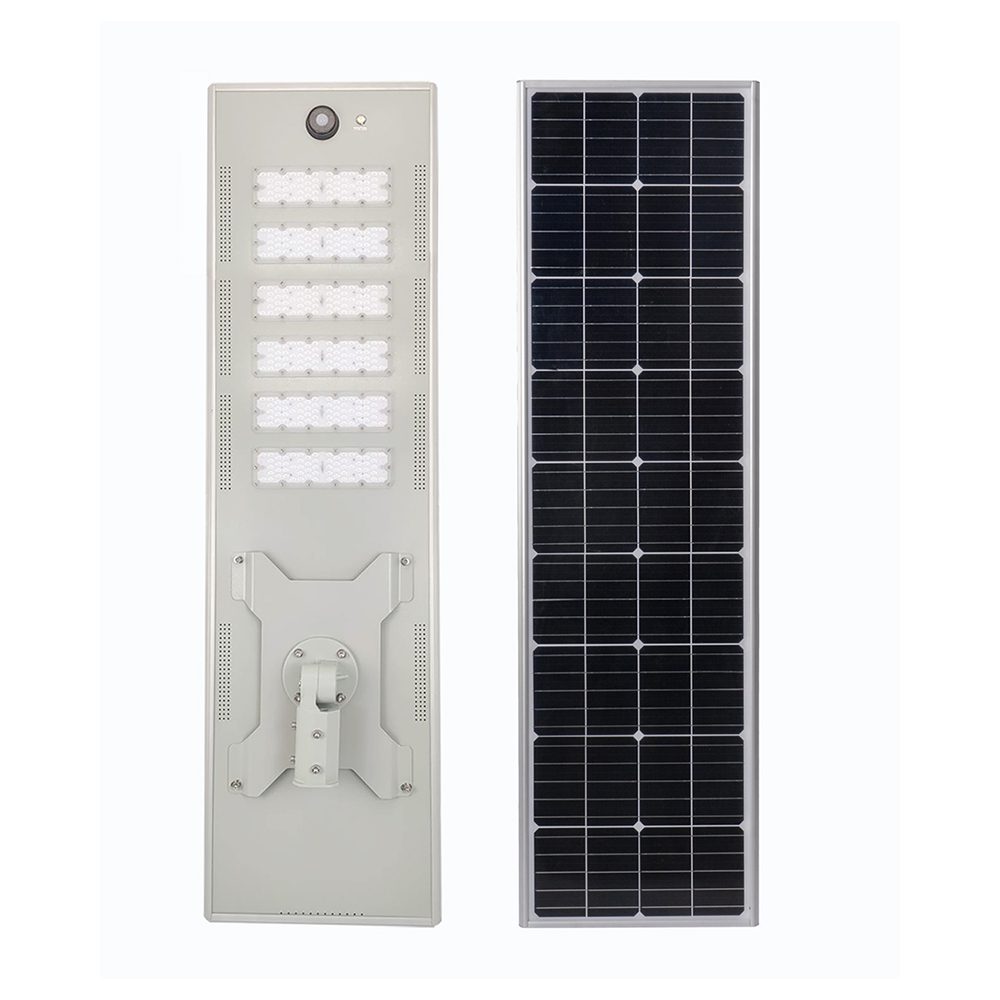

Controller and battery are two core components of solar street light systems, directly determining charging efficiency, lighting stability and product service life. PWM and MPPT are the two mainstream solar charging controllers on the market, with distinct working principles and applicable scenarios. Reasonable controller selection and battery matching are crucial to improve the overall performance of outdoor solar lighting equipment.
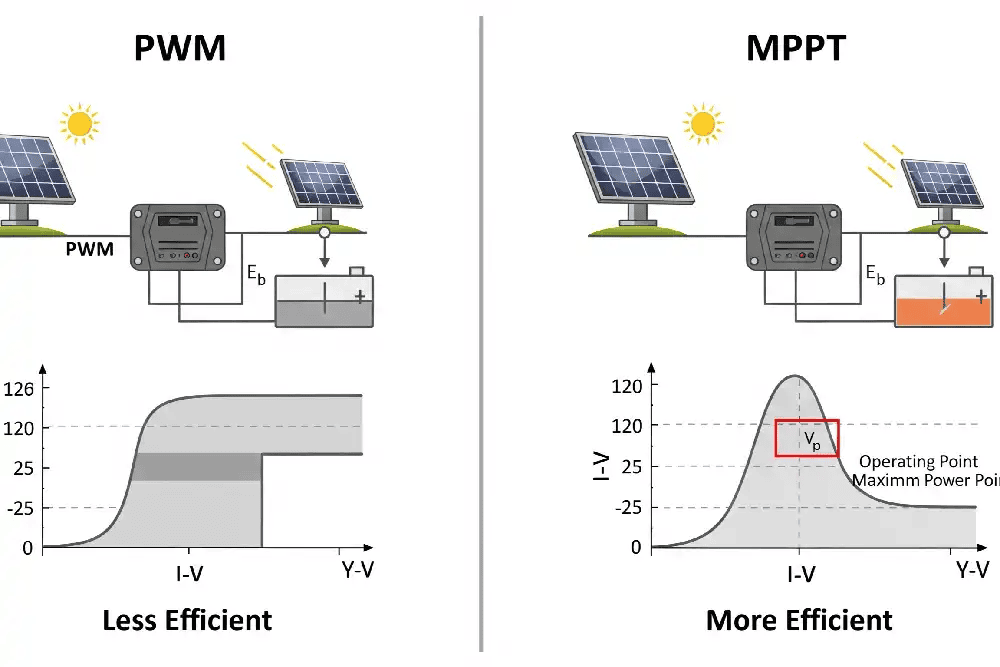
PWM (Pulse Width Modulation) controller features simple structure, low cost and strong stability. It adjusts the charging voltage by pulse signal to charge the battery steadily. Its disadvantage is low photoelectric conversion efficiency, with an energy utilization rate of only 70%-80%. It is suitable for conventional scenarios with sufficient and stable sunlight, including urban roads, community streets and ordinary park lighting. For low-budget, conventional solar street light projects, PWM controllers are the most cost-effective choice.
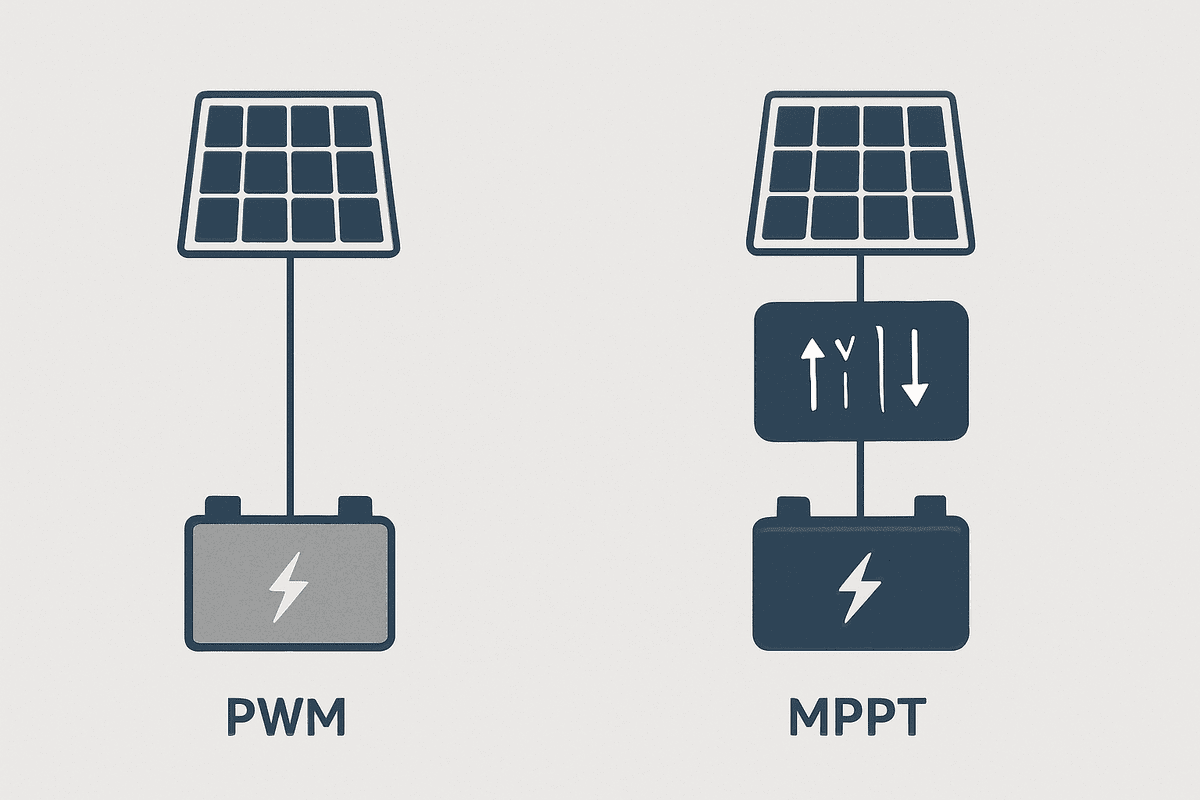
MPPT (Maximum Power Point Tracking) controller is an upgraded intelligent model. It can automatically track the maximum power point of solar panels in real time, with a charging efficiency as high as 95%. It can adapt to complex light environments and effectively utilize weak light resources. It is ideal for high-latitude areas, rainy and foggy regions, mountainous and shaded roads, and other scenarios with insufficient or unstable sunlight. Although the cost is higher, it greatly reduces power waste and ensures normal lighting in bad weather.
For battery matching, capacity configuration must follow the principle of matching lamp power and local sunshine duration. Conventional lead-acid and lithium batteries are widely used. For urban conventional lighting with sufficient sunlight, a 3.2V/12V lithium battery with moderate capacity is enough to meet daily needs. For rainy mountainous areas and projects requiring 3-7 days of rainy day standby, it is necessary to appropriately increase battery capacity. Meanwhile, match the battery voltage with the controller and solar panel parameters to avoid mismatch failure and ensure long-term stable operation of solar street lights.