

Solar street lights are core products for off-grid outdoor lighting, mainly divided into all-in-one integrated type and traditional split type. Although both rely on solar power generation and battery energy storage, their structural design, installation method, heat dissipation efficiency and environmental adaptability vary greatly. Choosing the right type according to regional climate and project standards is essential to improve lighting stability and reduce after-sales maintenance risks.
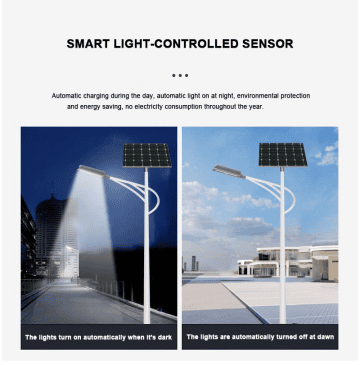
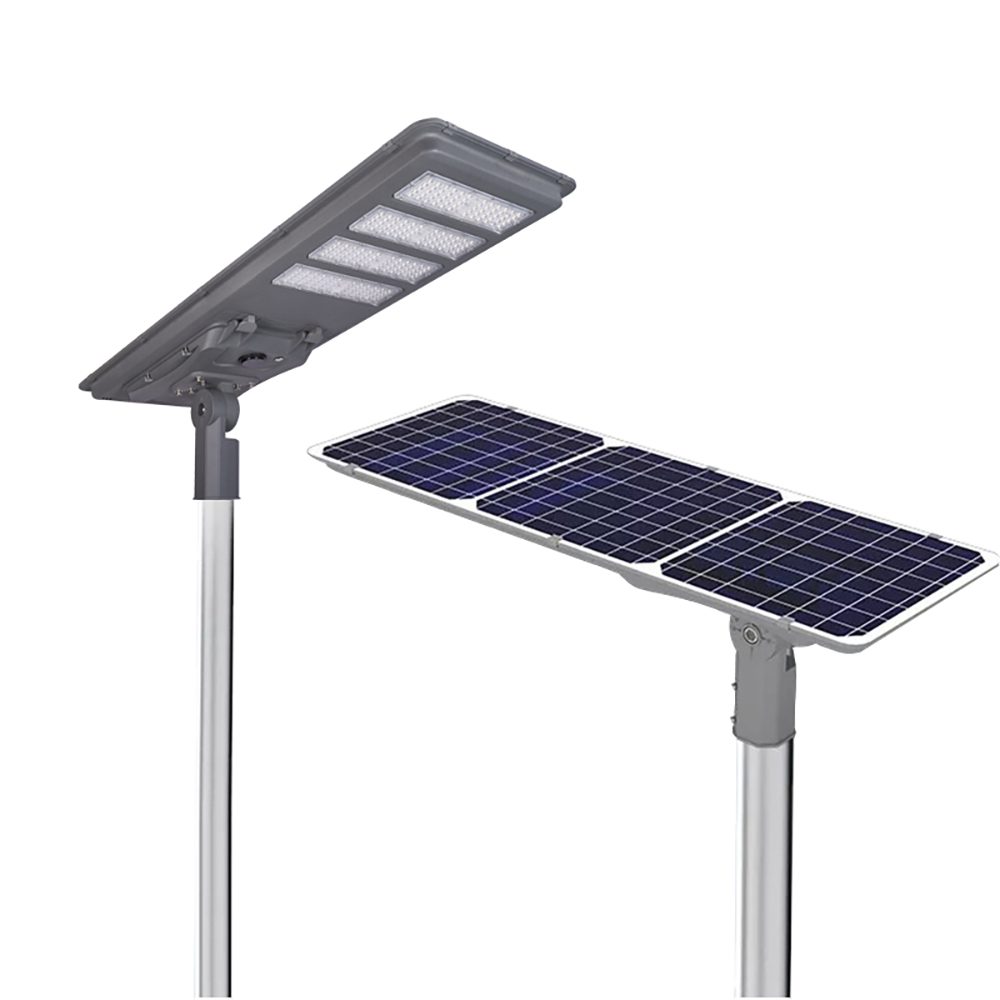
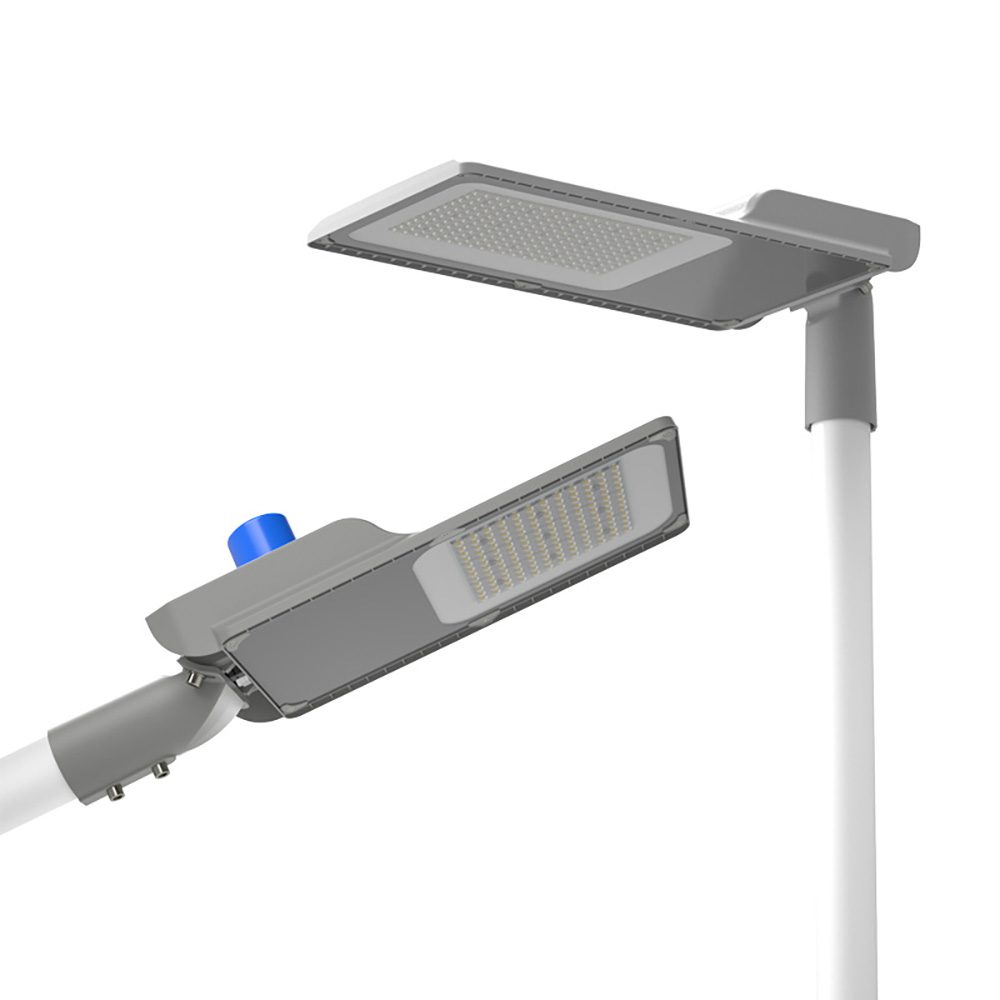
Split solar street light is a classic and highly reliable engineering-grade solution. Its solar panel, LED lamp head, battery and controller are installed separately. The independent solar panel can adjust the illumination angle freely according to local latitude, maximizing solar absorption and charging efficiency. The battery is placed inside the light pole or buried underground, completely avoiding high-temperature heat accumulation from the lamp head. This independent layout brings excellent heat dissipation performance, effectively slowing down battery aging and light decay. Therefore, split solar lights feature long service life and strong rainy-day backup capacity, ideal for municipal main roads, rural trunk roads, highways and other long-term formal lighting projects.
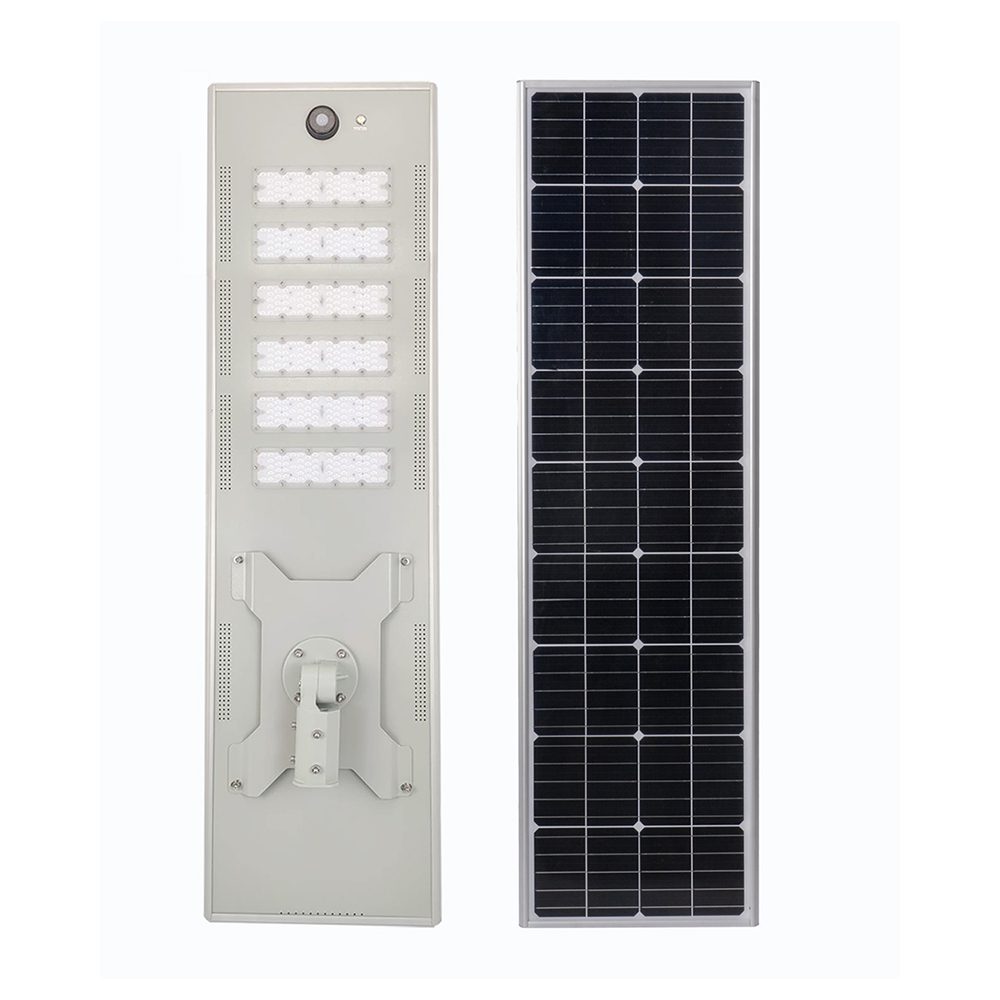
All-in-one solar street light integrates solar panel, battery, controller and LED light source into a single unit. The biggest advantage is ultra-convenient installation and transportation. No complicated wiring or auxiliary construction is required. Workers can finish installation in a few minutes, greatly saving labor and construction costs. With lightweight and minimalist appearance, it is widely used for village branch roads, community lanes, garden paths, scenic spots and temporary lighting projects.
Nevertheless, all-in-one solar lights have obvious limitations in harsh environments. All core electronic components are sealed in a limited internal space. Under long-term high-temperature exposure, internal heat cannot be dissipated timely, easily causing accelerated aging of batteries and circuits. In addition, the integrated structure cannot adjust the solar panel angle independently, resulting in relatively lower charging efficiency in low-sunshine areas compared with split type.
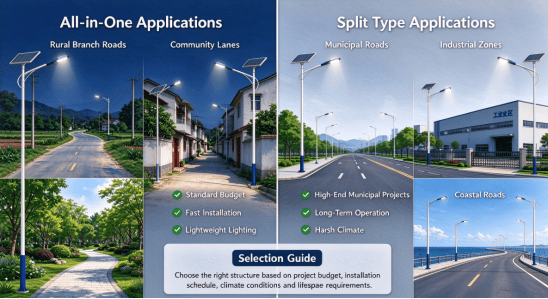
To sum up, all-in-one solar street lights are cost-effective and suitable for conventional, short-cycle and budget-friendly lighting projects. Split solar street lights deliver higher stability, better heat dissipation and stronger weather resistance, perfect for high-standard municipal and long-term outdoor engineering. Scientific selection based on actual application scenarios is the key to maximizing project benefits.