
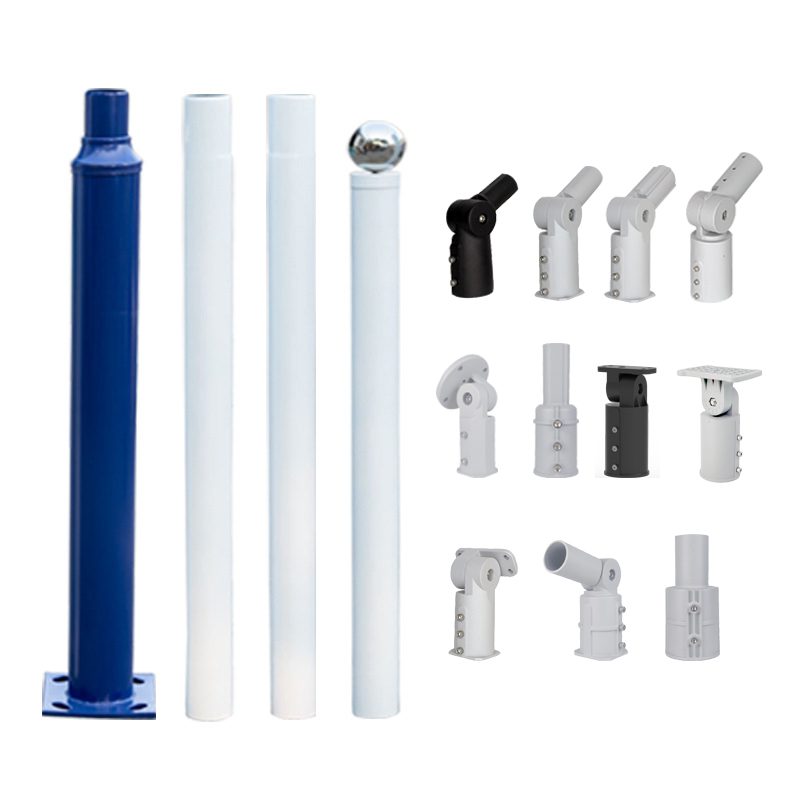
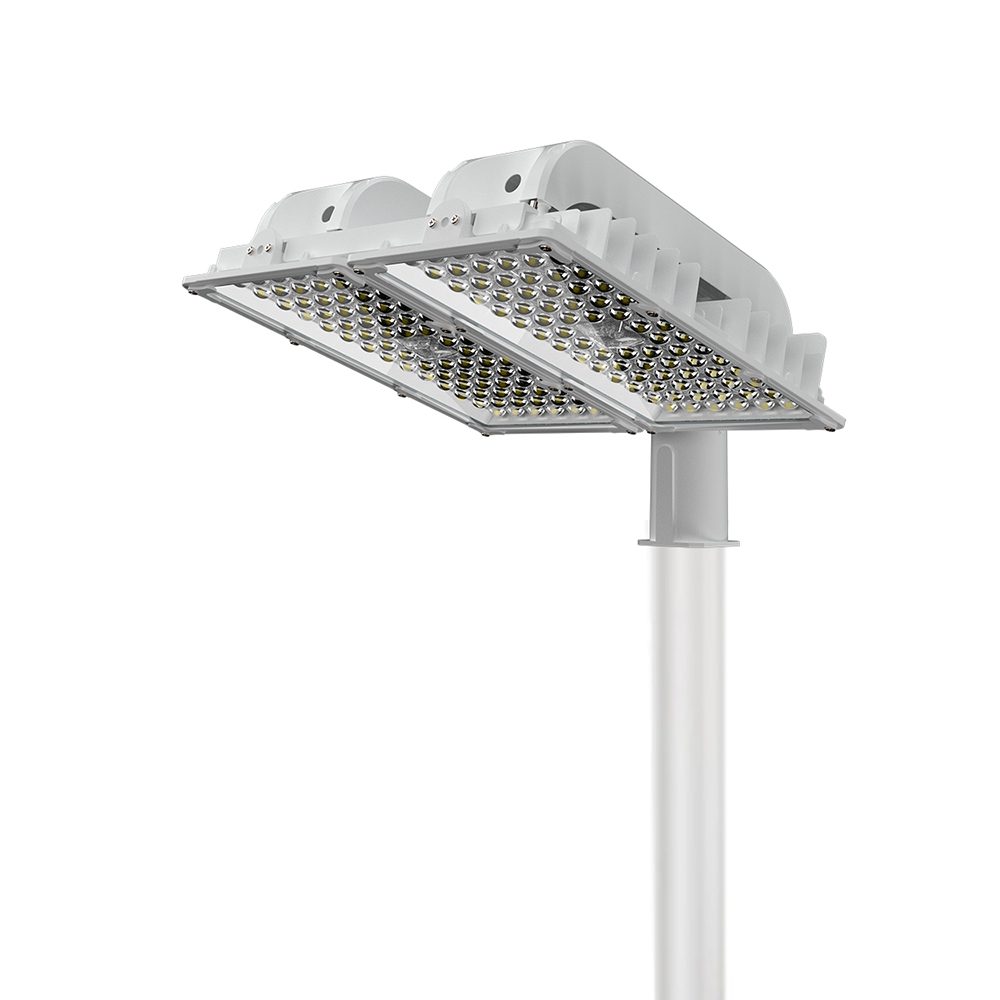
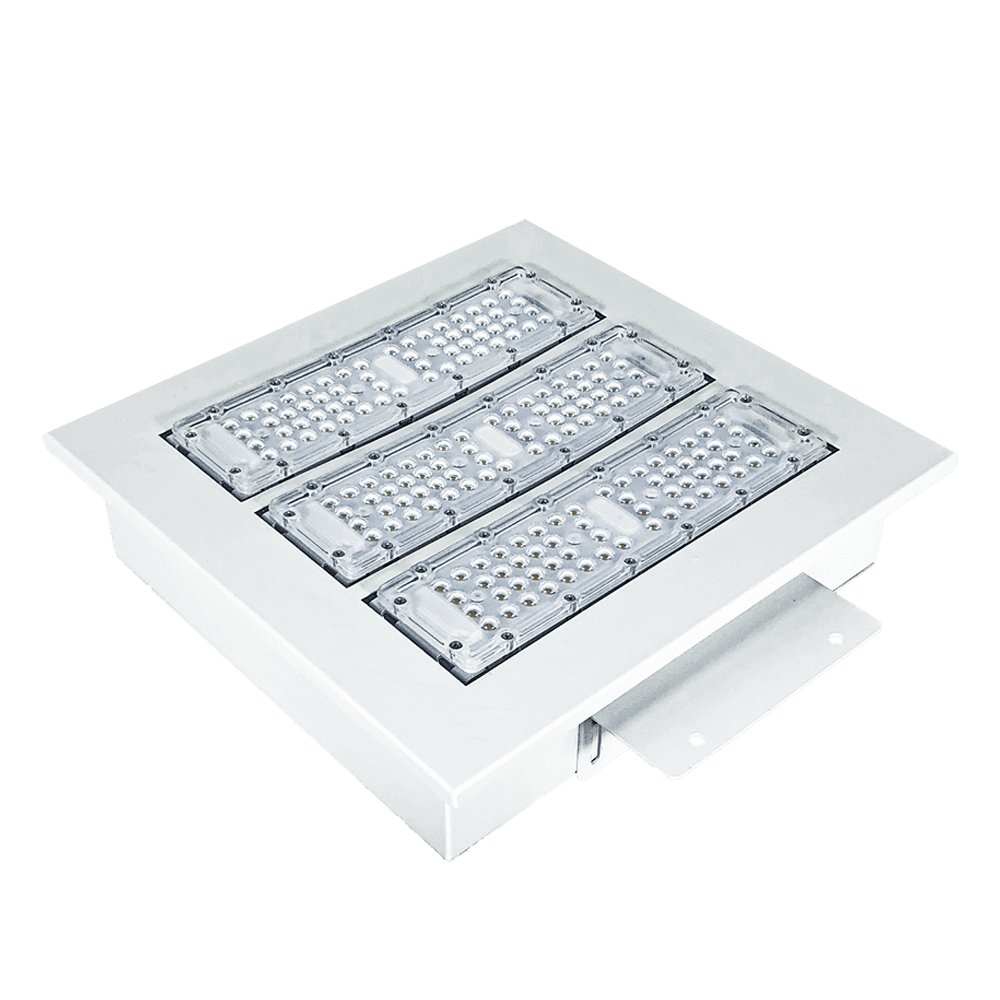
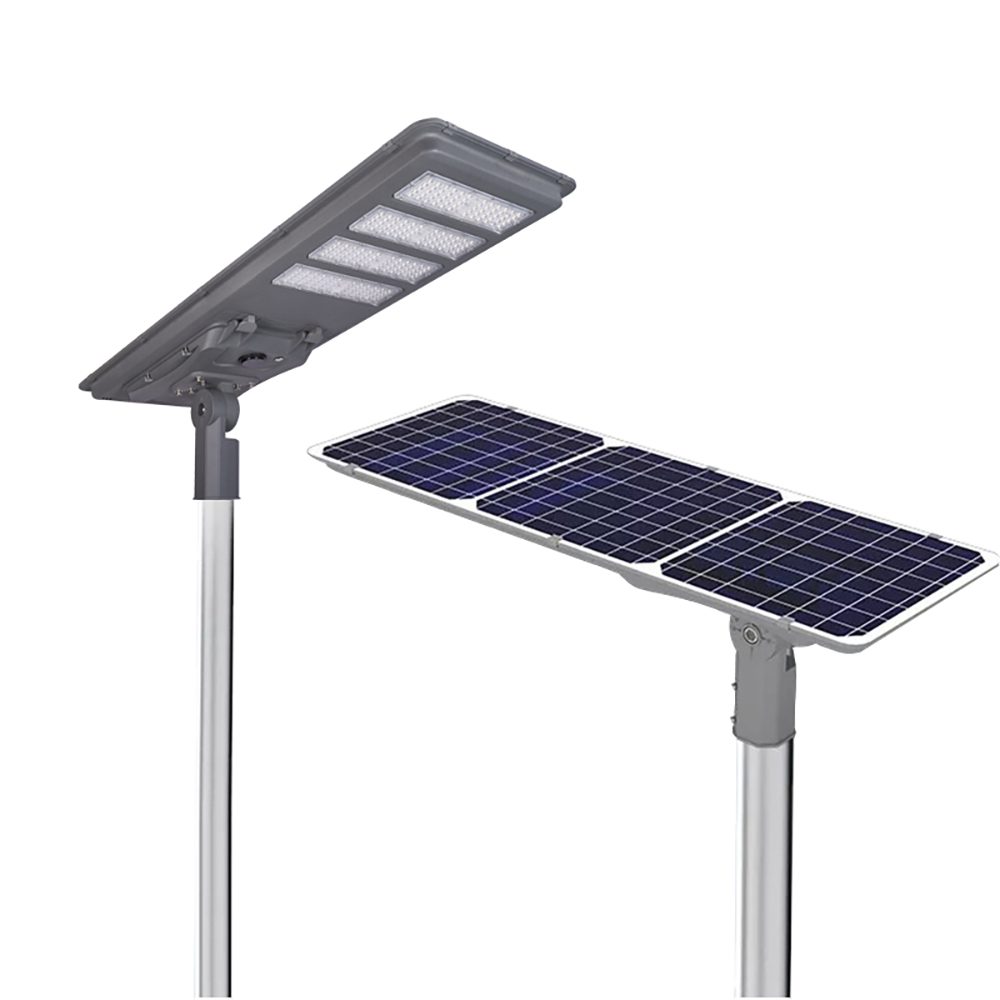

When selecting an LED street light, floodlight, or high bay light, buyers often focus on wattage, lumens, and beam angle. However, another factor can significantly change the final lighting result: installation height.
The same fixture can produce very different illumination patterns when installed at different heights. A light installed too low may create concentrated bright areas and glare, while a fixture installed too high may cover a larger area but provide insufficient illuminance. Understanding this relationship is essential for achieving an efficient and well-balanced lighting design.
1. How Does Installation Height Affect Light Distribution?
When a fixture is installed higher, the distance between the light source and the illuminated surface increases. At the same time, the light beam has more space to spread, allowing the fixture to cover a larger area.
However, larger coverage does not mean that the entire area will receive the same level of illumination. As the distance increases, illuminance at the target surface generally decreases. This is why installation height needs to be considered together with fixture power, beam angle, and the size of the area being illuminated.
For example, a floodlight installed relatively low may create a strong bright spot directly below it, while the same fixture installed higher can distribute light over a wider area with a smoother transition between bright and darker zones.
2. The Relationship Between Height and Beam Angle
Installation height and beam angle work together to determine the actual area covered by a fixture. A narrow beam concentrates light into a smaller area, while a wider beam spreads light over a larger area.
When a fixture is installed higher, both types of beams will reach a larger area. However, a narrow beam will still provide more concentrated illumination than a wide beam. This is why choosing a suitable LED floodlight is not simply a matter of selecting the highest lumen output.
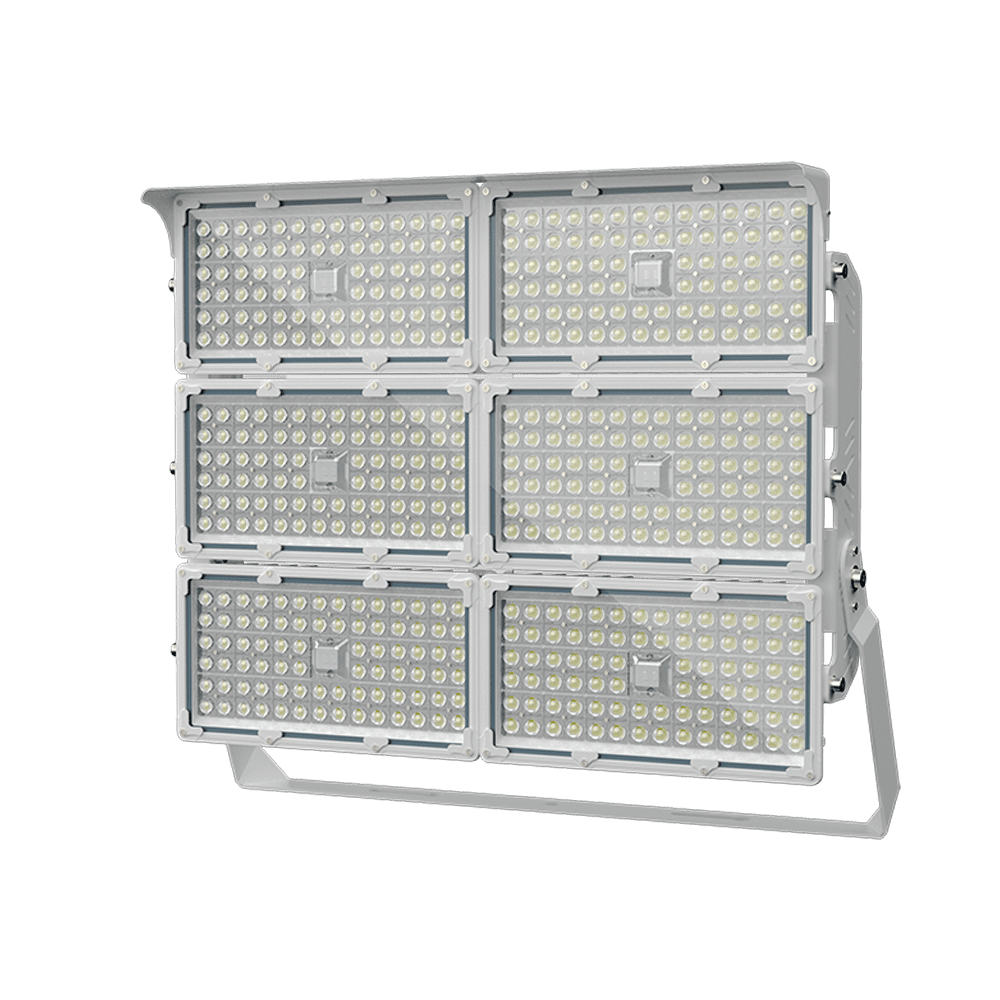
For example, a large sports field may require a higher mounting position combined with carefully selected beam angles to distribute light across the playing area. A smaller parking area may require a different combination of mounting height and optical distribution.
3. Why Higher Installation Can Improve Uniformity
A higher mounting position can sometimes help improve lighting uniformity, especially in large outdoor areas. When a powerful fixture is installed too close to the ground, the area directly below it can become excessively bright while areas farther away remain relatively dark.
Raising the fixture gives the beam more distance to spread across the target area. With the appropriate optical distribution and aiming angle, this can help reduce the difference between bright and dark areas.
This is particularly important for sports lighting, where players need consistent visibility across the entire playing surface. However, higher does not automatically mean better. If the fixture is installed beyond the effective range of its optical system, overall illuminance may become too low.
4. Installation Height and Glare Control
Glare is another important consideration. A powerful fixture installed too low can place the LED light source directly within the viewing direction of pedestrians, drivers, workers, or athletes, creating visual discomfort.
Increasing the mounting height can change the angle at which light reaches people’s eyes and may help reduce direct glare when combined with appropriate aiming and optical control. This is one reason large outdoor sports facilities often use higher mounting positions rather than placing powerful floodlights close to the playing area.
However, installation height alone cannot eliminate glare. The fixture’s beam angle, optical design, shielding, aiming direction, and mounting location must all be considered as part of the lighting design.
5. Different Applications Need Different Heights
There is no universal installation height that works for every lighting project. The appropriate height depends on the application, area size, required illuminance, fixture characteristics, and surrounding environment.
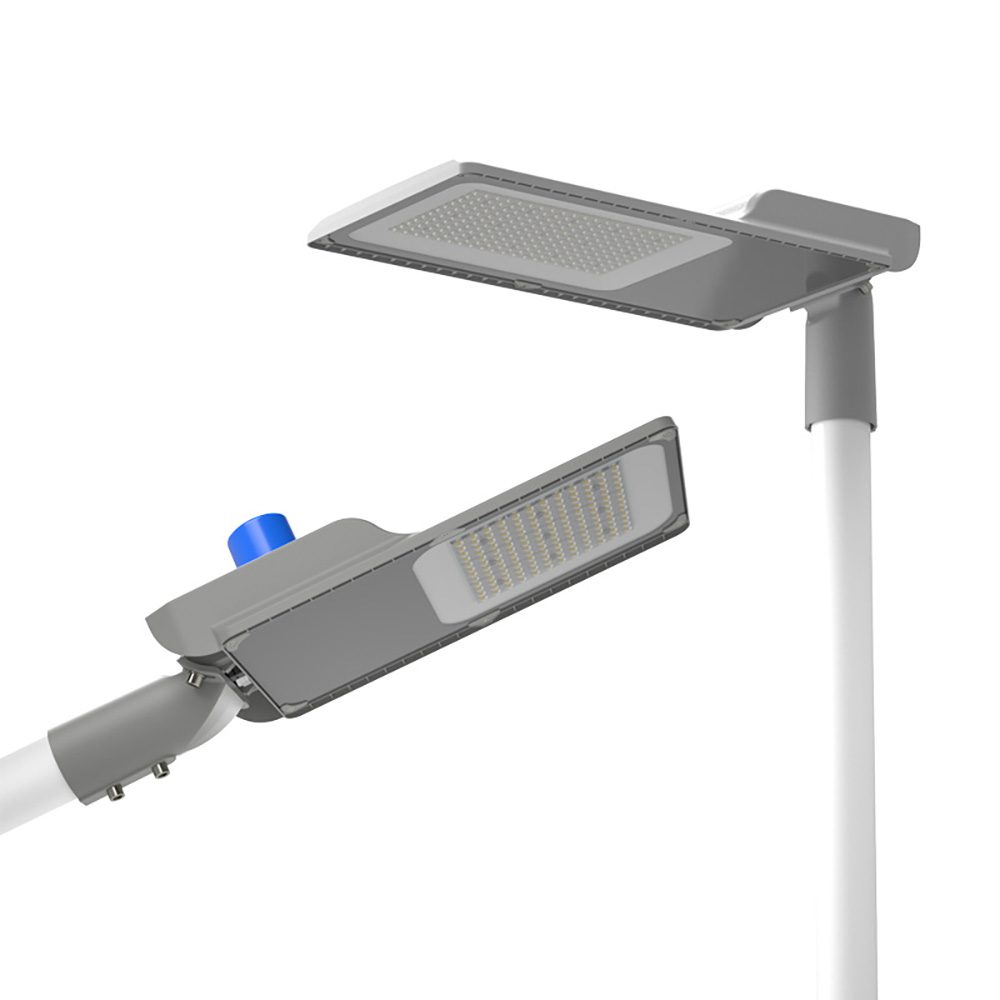
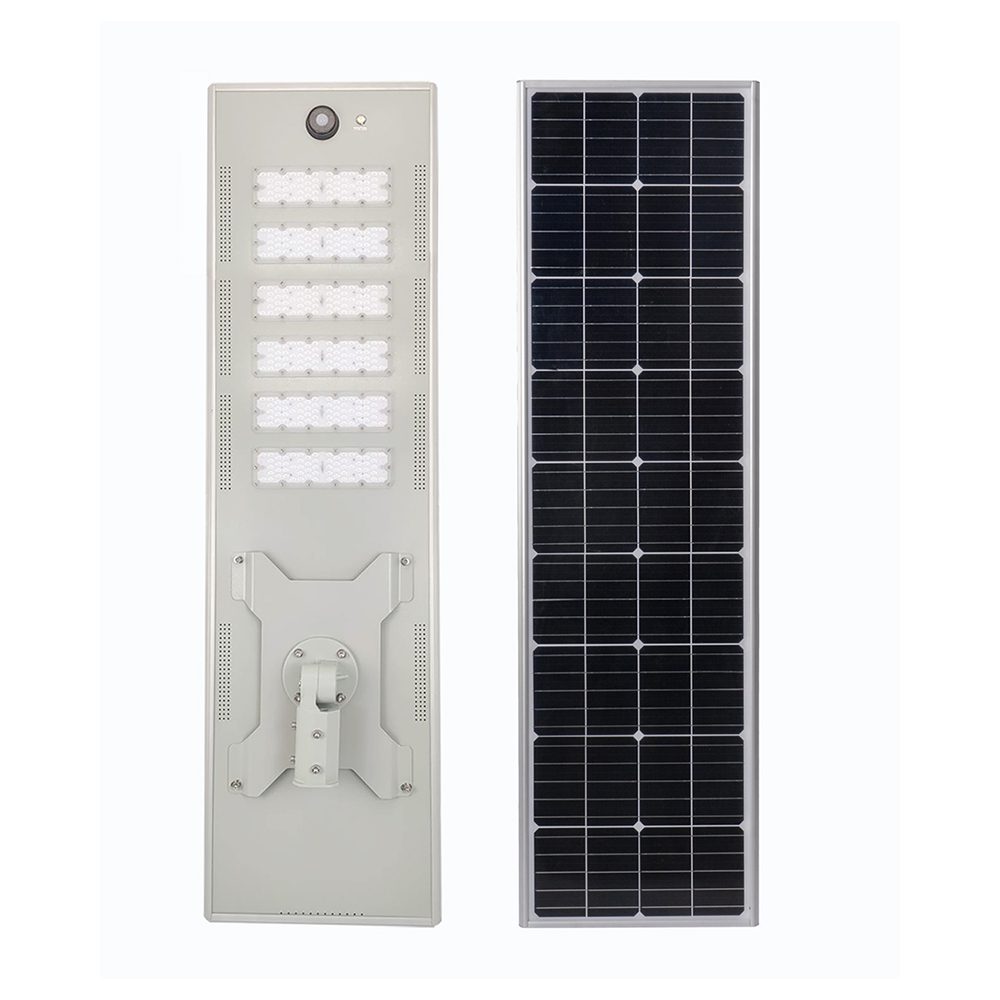
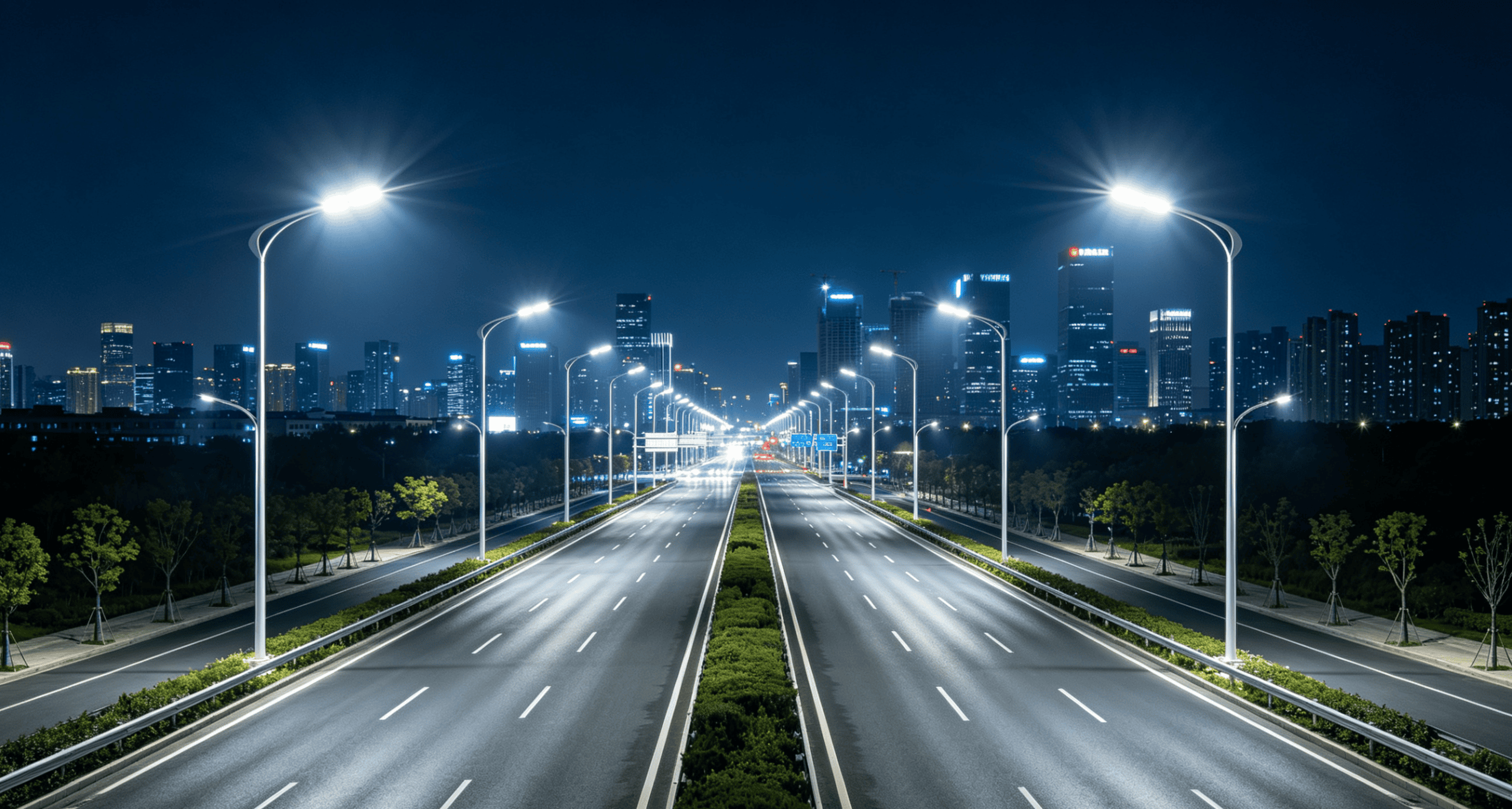
For road lighting, mounting height needs to work with road width, pole spacing, and the selected light distribution. For parking lots, the height should provide sufficient coverage without creating excessive bright spots. For large sports fields, higher mounting positions can help achieve broader and more uniform coverage while reducing direct glare.
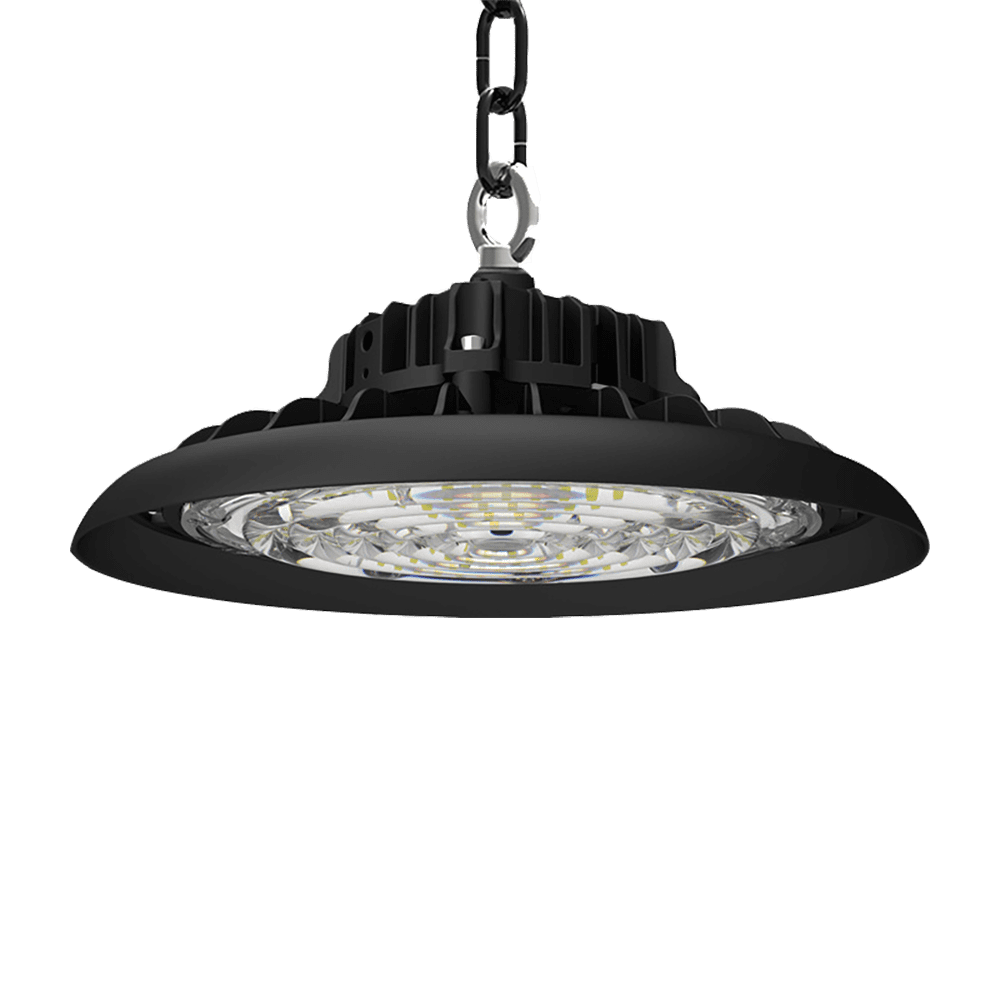
For warehouses and factories, high bay lights are specifically designed for high-ceiling environments. Their mounting height should be considered together with aisle width, working-plane height, beam angle, and fixture spacing.
6. How to Determine the Right Installation Height
Before selecting a fixture, it is useful to establish several basic project conditions: the dimensions of the illuminated area, available mounting height, required illuminance, desired uniformity, fixture spacing, and beam angle.
For larger projects, lighting simulation can provide a more accurate assessment of how different mounting heights will affect illuminance and uniformity. It can also help identify areas where glare or excessive brightness may occur.
This is more reliable than choosing a fixture based only on wattage. A 150W fixture installed at the wrong height or with an unsuitable beam angle may produce a worse result than a lower-power fixture that is correctly matched to the application.
Conclusion
Installation height is an important part of lighting design because it directly affects coverage, illuminance, uniformity, and glare.
A higher mounting position generally allows light to cover a larger area, while a lower position can provide more concentrated illumination. Neither option is automatically better. The correct solution depends on how the fixture’s power and optical distribution work together with the installation height.
Whether the project involves a road, parking lot, sports field, warehouse, or factory, lighting should be designed as a complete system rather than based on wattage alone. Matching the fixture, beam angle, mounting height, and spacing to the actual application is the key to achieving efficient and comfortable illumination.