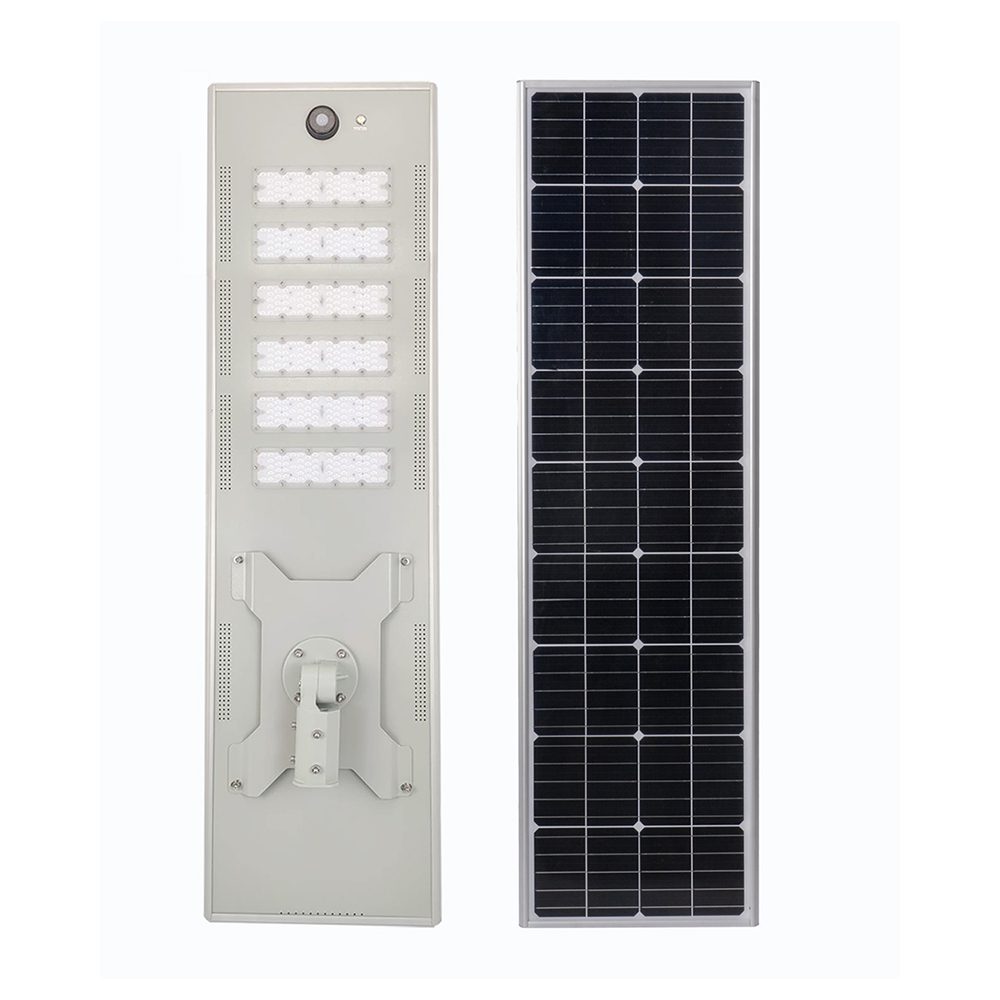

Many solar street light project failures are not caused by poor hardware quality, but by insufficient rainy day backup capacity. In tropical rainy areas, subtropical monsoon climates and high-altitude foggy regions, continuous cloudy and rainy weather greatly reduces solar panel charging efficiency. If the system configuration is unreasonable, the lamps will be dim or even off after several consecutive rainy days, which fails the project acceptance. Therefore, rainy day standby capability has become one of the most critical indicators for solar street light engineering selection.
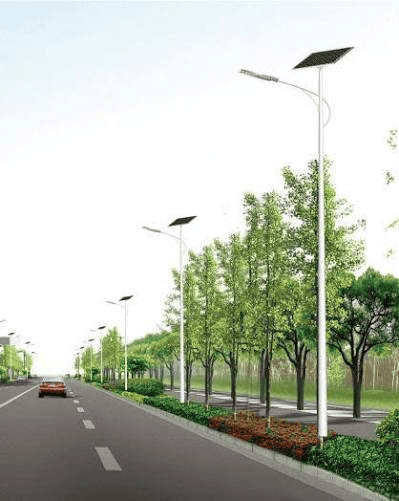
The rainy day backup performance of solar street lights depends on three core configurations: battery capacity, solar panel power, and intelligent discharge control system. Standard engineering projects usually require 3 to 7 days of rainy day backup. Simply increasing the battery capacity cannot completely solve the problem. Matching the correct panel-to-battery ratio is the key to ensuring sufficient power storage under limited sunlight in rainy weather.
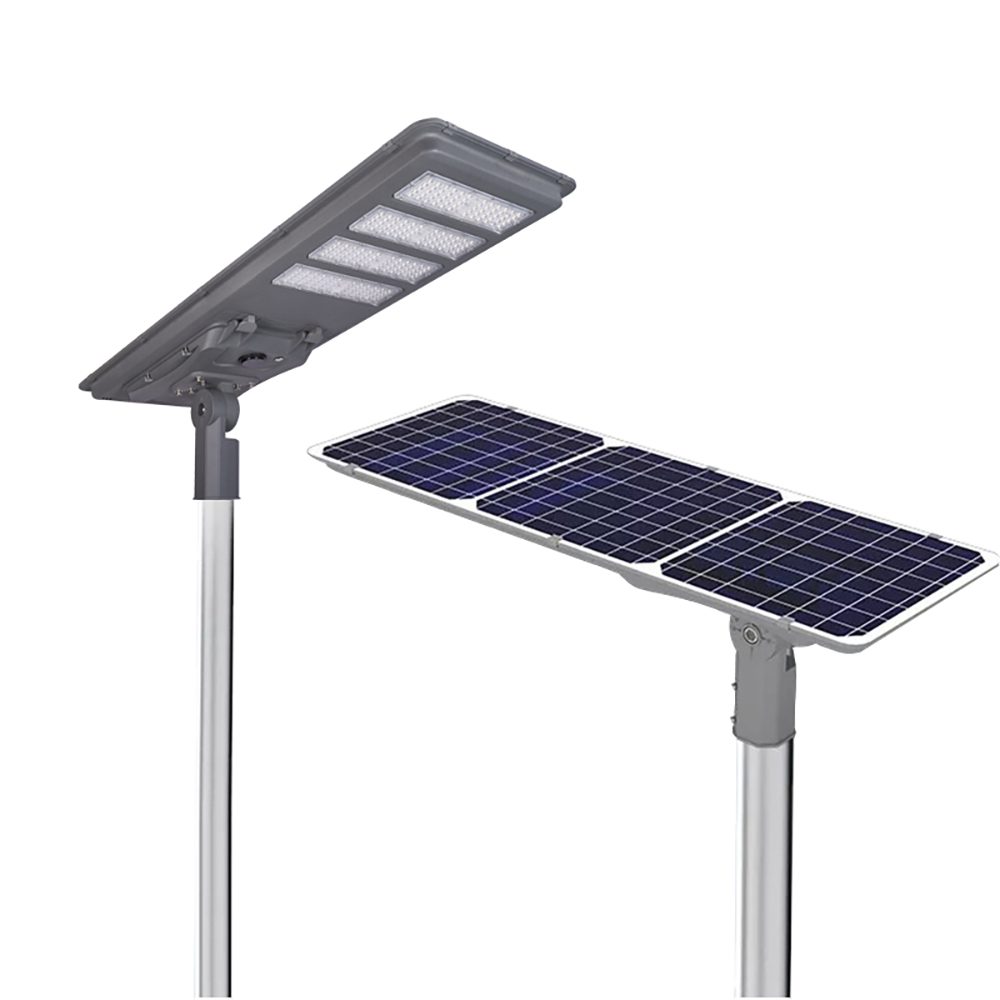
High-quality solar street light systems adopt oversized solar panels and high-capacity lithium batteries to improve energy storage efficiency. Equipped with an MPPT intelligent charging module, the system can absorb weak light energy on cloudy and rainy days, effectively improving the overall power storage rate. Compared with traditional PWM systems, MPPT technology increases charging efficiency by more than 20%, which is crucial for maintaining normal power supply in bad weather.
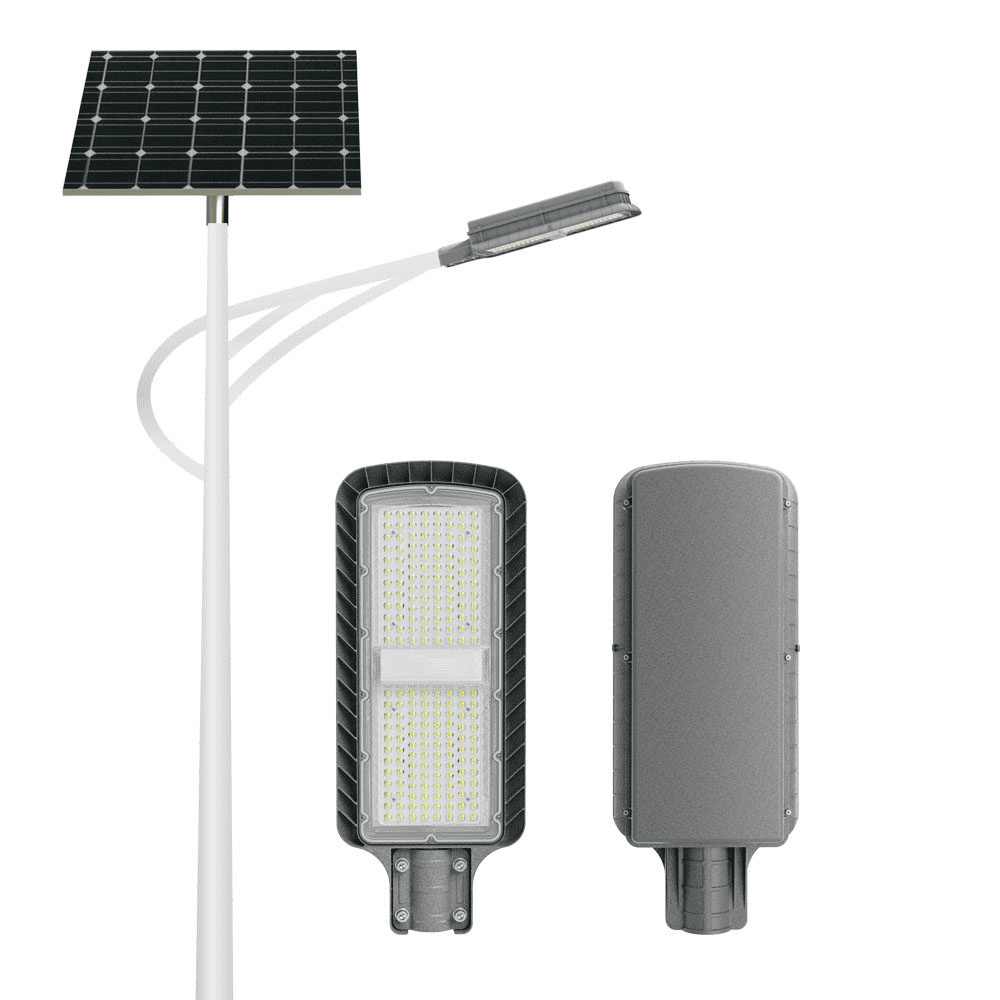
In addition, intelligent power-saving discharge strategy is essential. Professional solar controllers support adaptive power adjustment. When the system detects insufficient stored power, it automatically reduces partial power output to ensure the lamp can light up all night, avoiding sudden blackout. This intelligent protection mode greatly improves the stability of outdoor lighting in extreme weather.
For different regional projects, targeted configuration is required. Areas with sufficient sunlight can adopt standard matching parameters, while rainy and humid regions need to appropriately increase solar panel power and battery capacity. Reasonable system configuration can effectively extend the service life of the battery and avoid frequent replacement, ensuring long-term stable operation of solar street light projects.