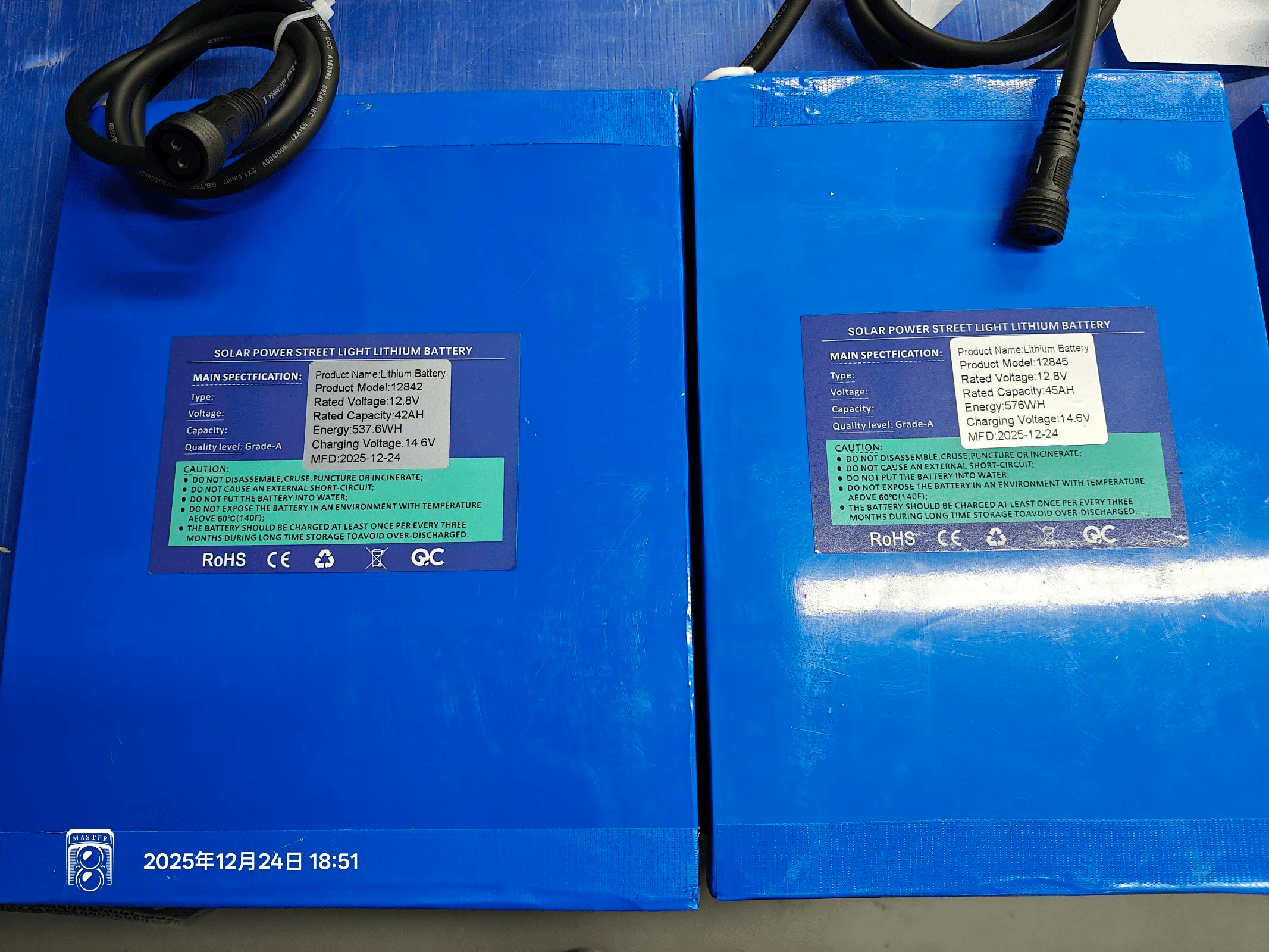
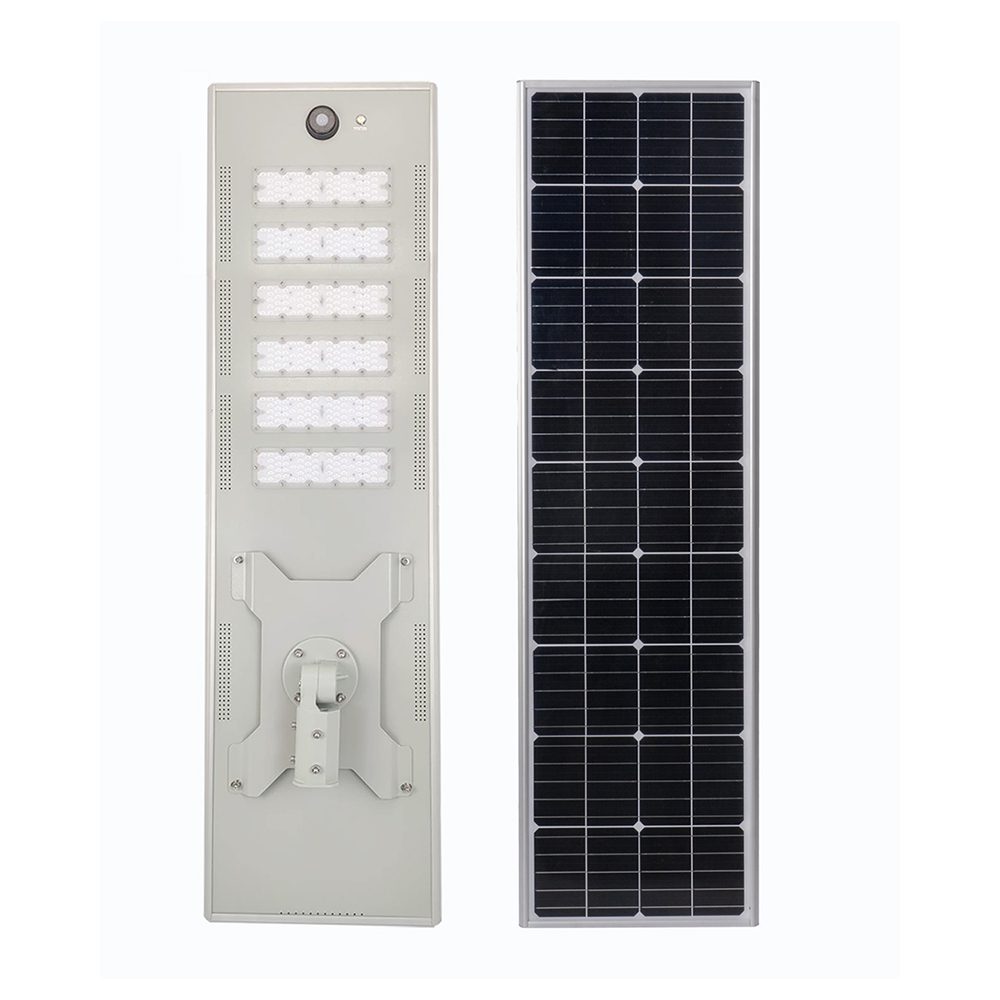

The battery is the core energy storage unit of solar street light systems, directly determining nighttime lighting duration, rainy-day standby performance and overall product lifespan. Currently, lead-acid batteries and lithium batteries are the two mainstream energy storage solutions in the solar lighting industry. Each type has distinct advantages, cost characteristics and environmental adaptability. For engineering contractors and bulk buyers, selecting the correct battery type according to project conditions is essential to balance cost, stability and after-sales rate.
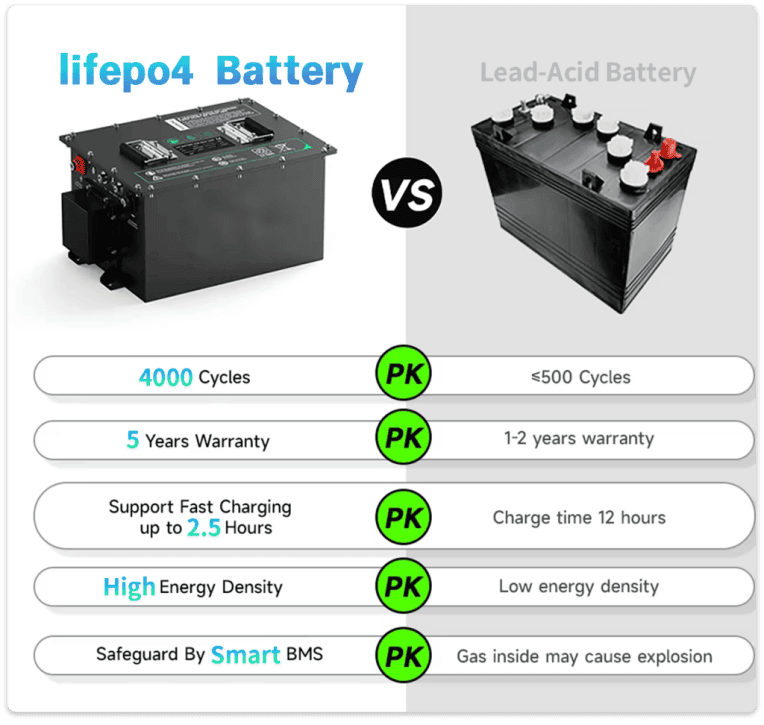
Lead-acid batteries have been widely used in traditional solar street light projects for decades. Their greatest advantage is low initial procurement cost and mature technology. With stable discharge performance and simple matching requirements, they are suitable for low-budget rural lighting and conventional road projects. However, lead-acid batteries have obvious drawbacks. They feature large size, heavy weight, short service life of only 2 to 3 years, and poor low-temperature resistance. In addition, they generate chemical corrosion risks and require regular maintenance, resulting in higher long-term operating costs.
Lithium batteries have become the mainstream choice for modern high-end solar street light projects in recent years. Compared with lead-acid types, lithium batteries are lightweight, compact and maintenance-free. Their cycle life reaches 2000 to 3000 times, supporting more than 5 to 8 years of stable operation, greatly reducing later replacement and maintenance costs. Lithium batteries support deep discharge and have higher energy density, providing longer lighting duration and stronger rainy-day standby capability with the same capacity.
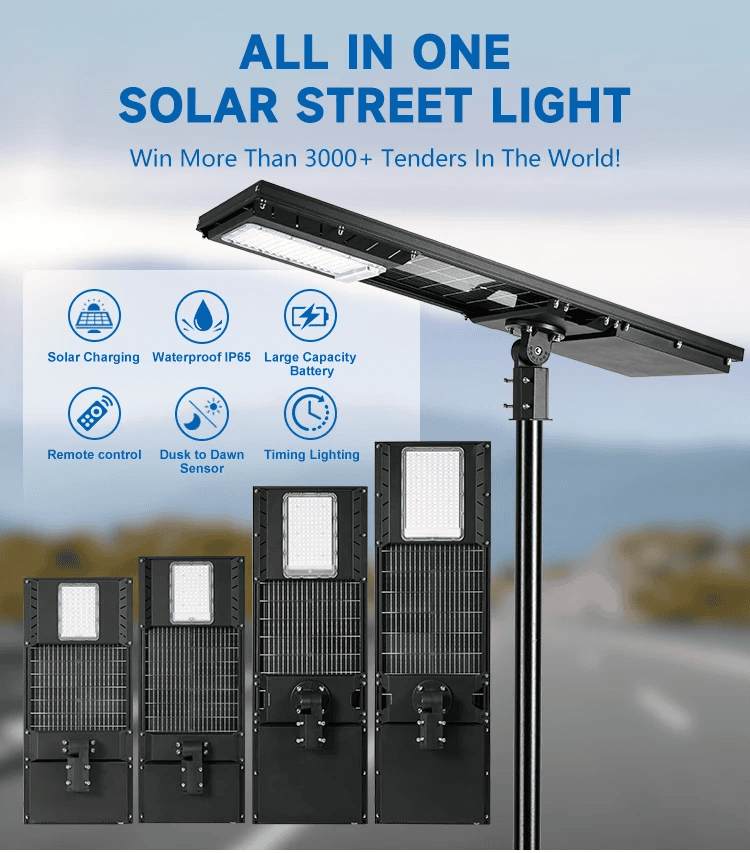
In terms of environmental and weather adaptability, lithium batteries perform much better. They can work stably in temperatures ranging from -20°C to 60°C, adapting to high-temperature tropical areas and cold northern regions. Meanwhile, lithium battery systems are equipped with intelligent BMS protection boards to prevent overcharging, over-discharging and short circuits, effectively improving the safety and stability of solar lighting systems.
In conclusion, lead-acid batteries are suitable for short-term, low-budget projects, while lithium batteries are ideal for long-term municipal, highway and scenic lighting projects. Reasonable battery selection helps customers achieve lower comprehensive costs and more reliable outdoor lighting performance.