
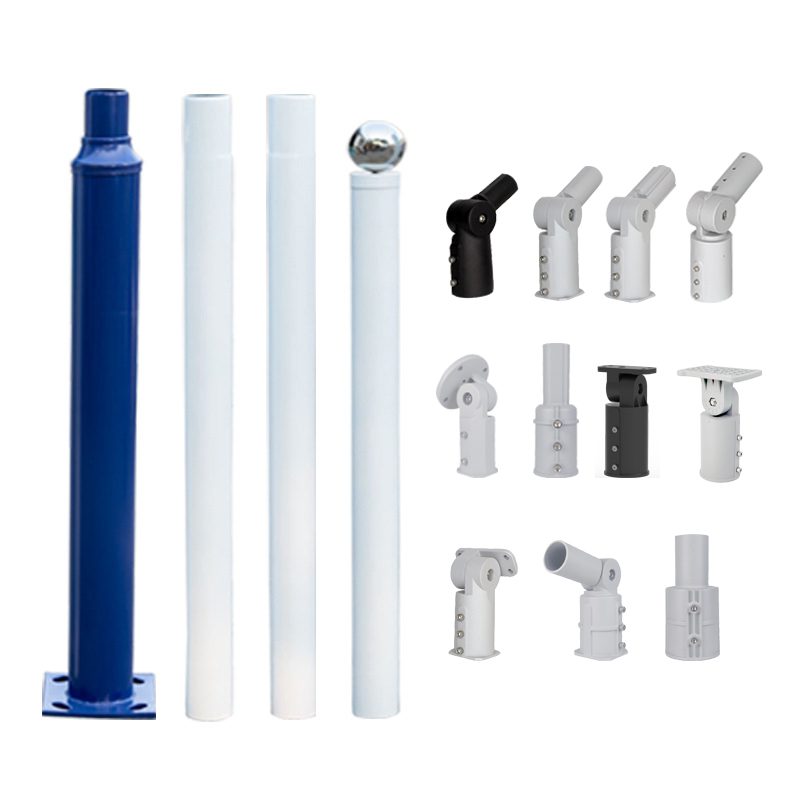
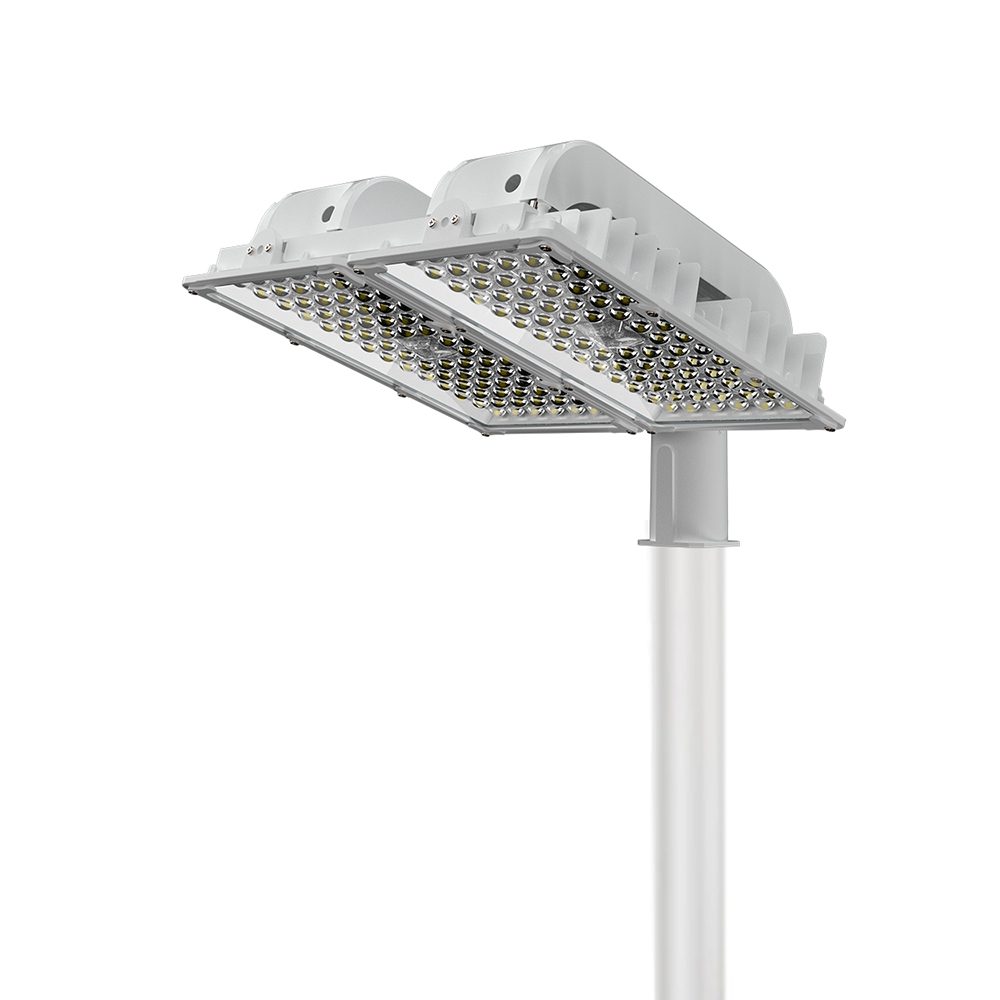
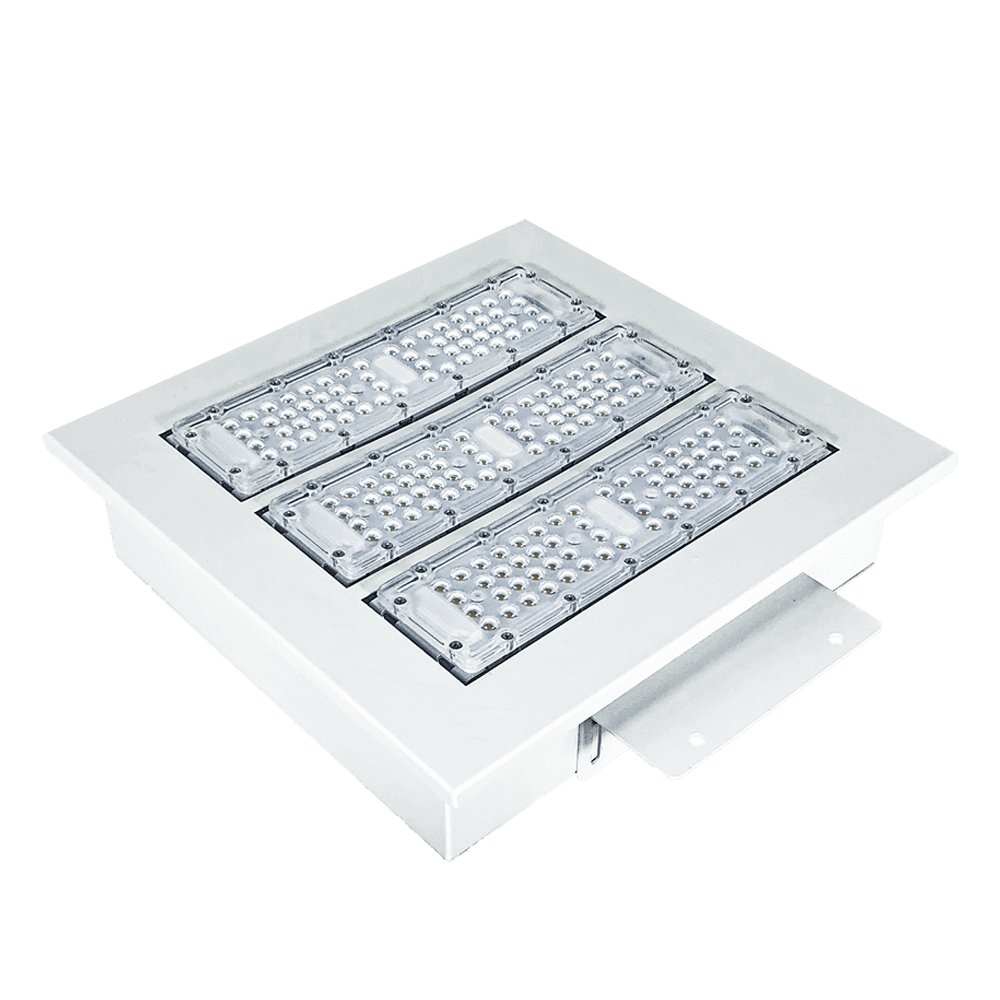
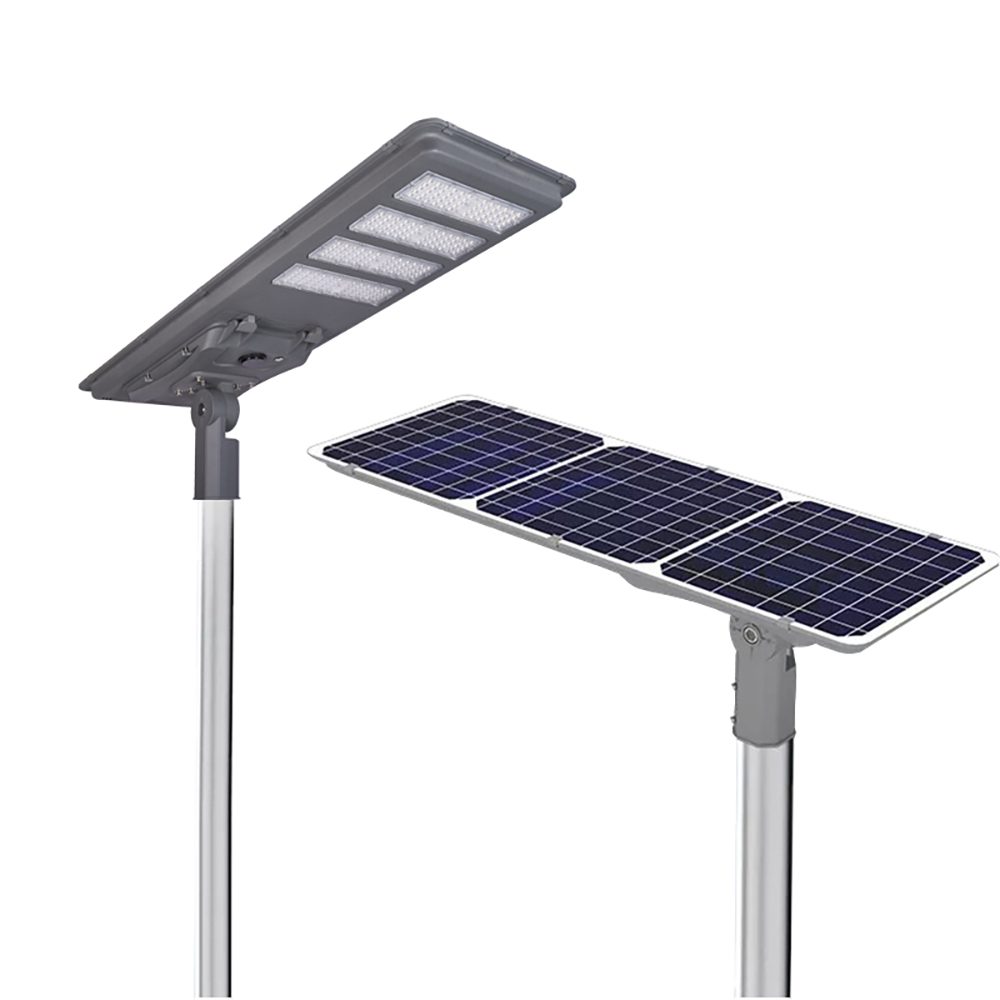
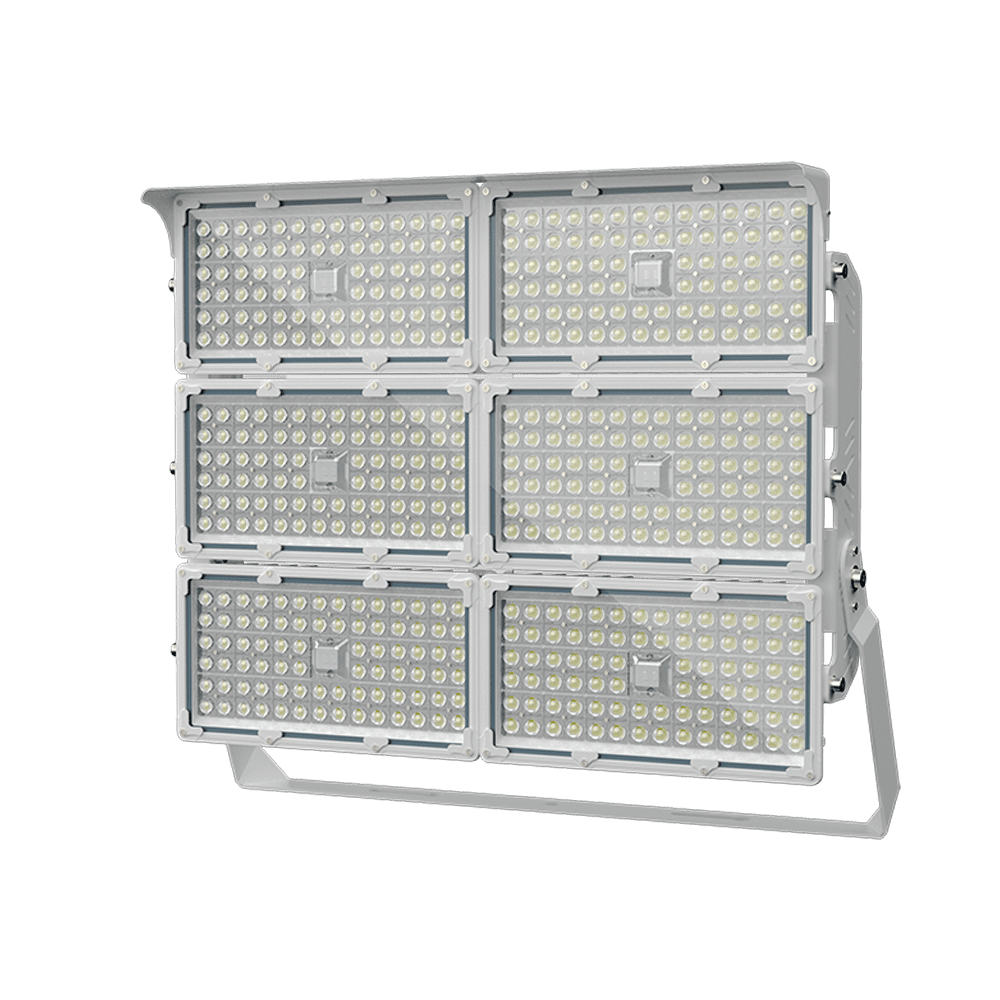
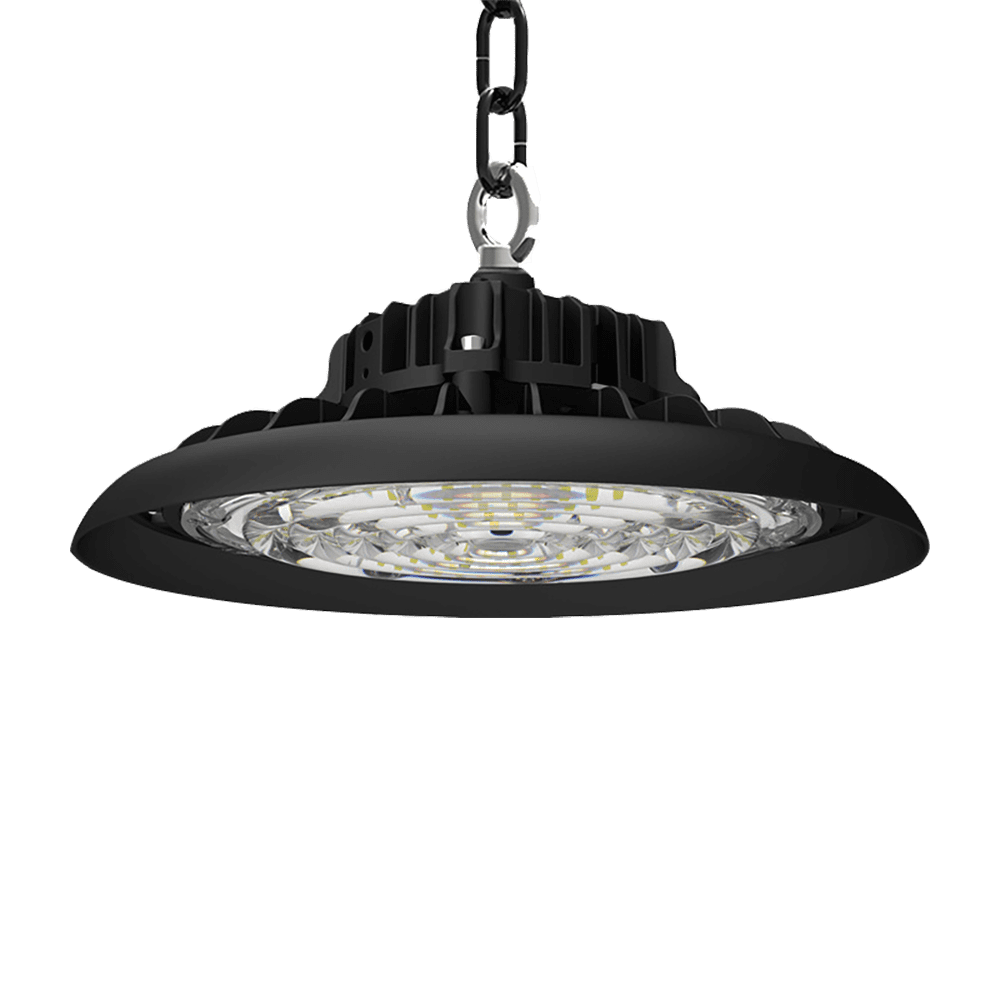
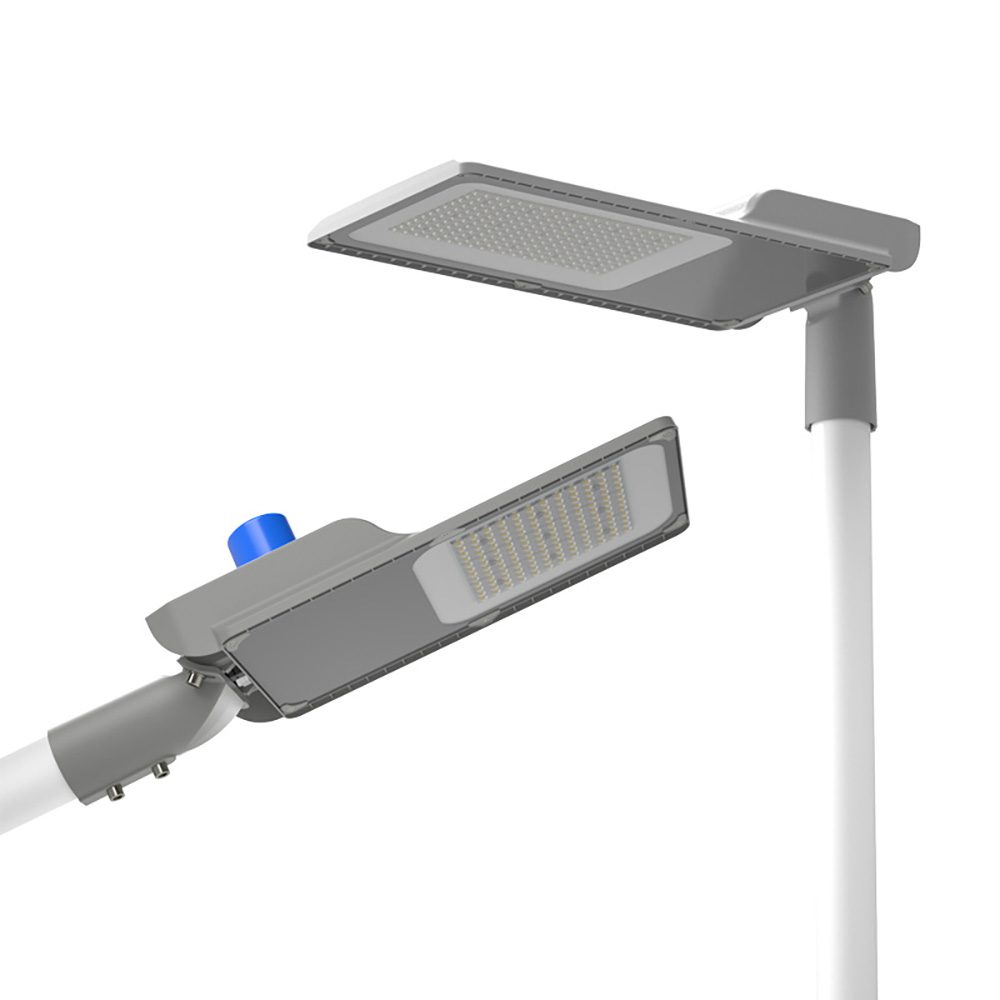
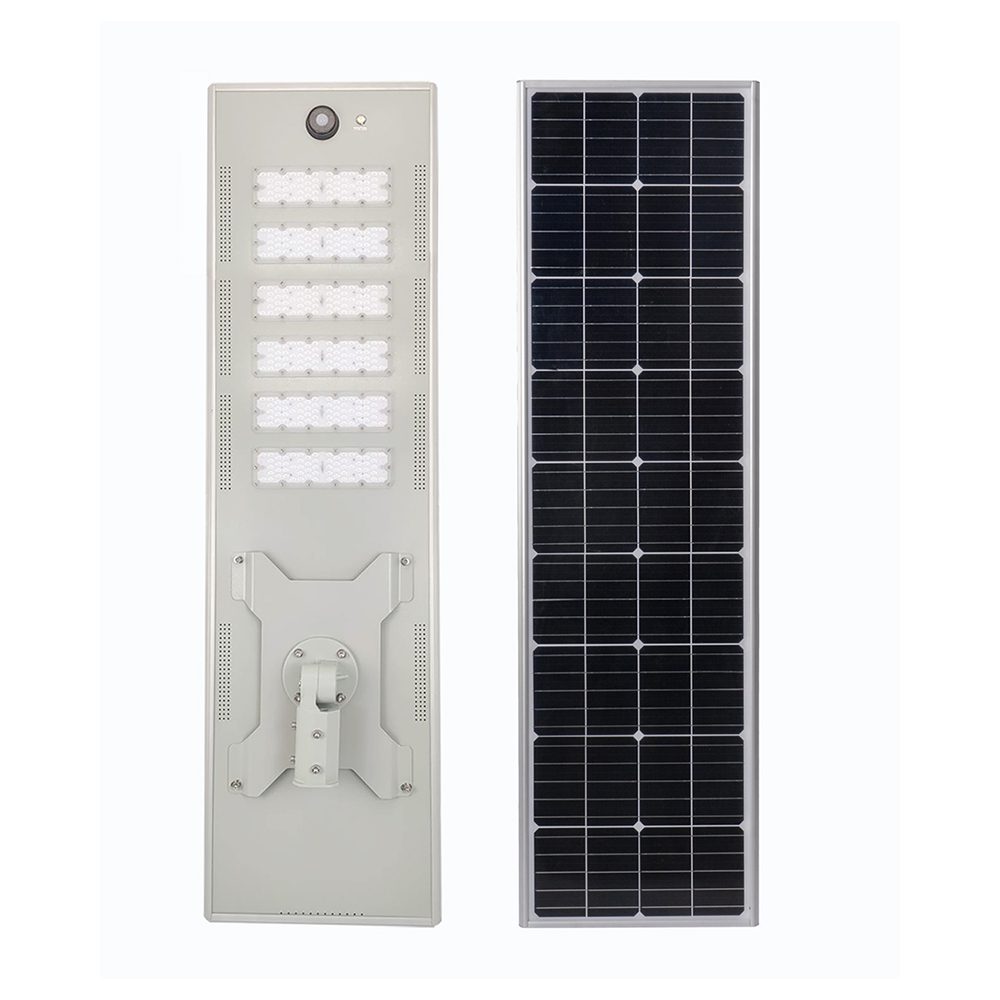

Light degradation is an inevitable aging phenomenon of all LED outdoor lights, including LED street lights, flood lights, high bay lights and solar lighting fixtures. Many end users and project buyers confuse “lamp damage” with “light decay”. Different from sudden circuit failure, light degradation refers to the gradual decrease in luminous flux after long-term operation, which leads to insufficient brightness and poor lighting effects. Understanding the causes of light decay is crucial for selecting high-quality engineering-grade outdoor lighting products.
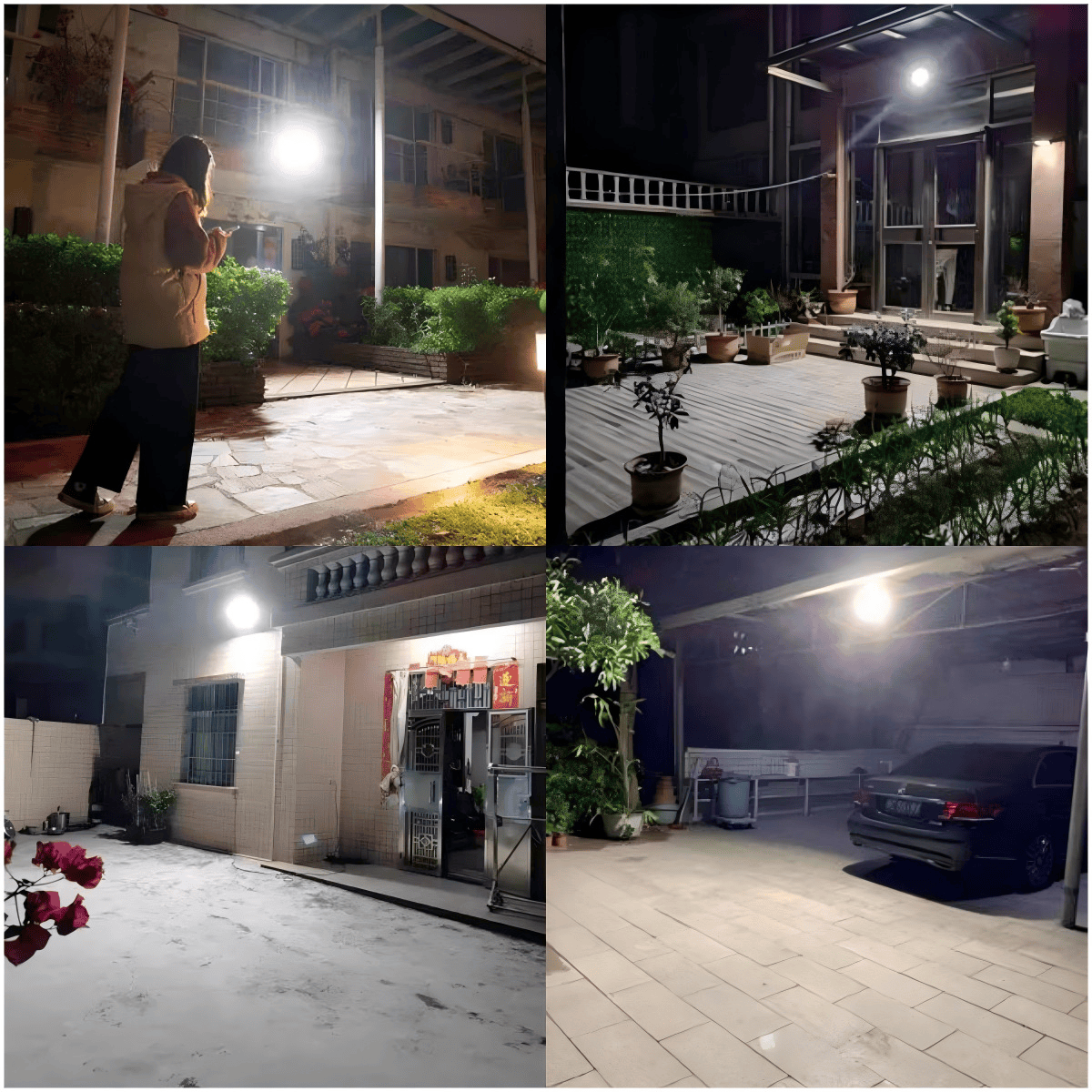
The primary cause of rapid LED light degradation is unreasonable heat dissipation design. LED chips generate high heat during continuous operation. If the heat cannot be dissipated in time, long-term high temperature will cause irreversible attenuation of chip luminous efficiency and aging of fluorescent glue. Low-cost lamps usually adopt thin and simple heat sinks with limited heat dissipation area, resulting in severe light decay after one or two years of use, failing to meet long-term project lighting standards.
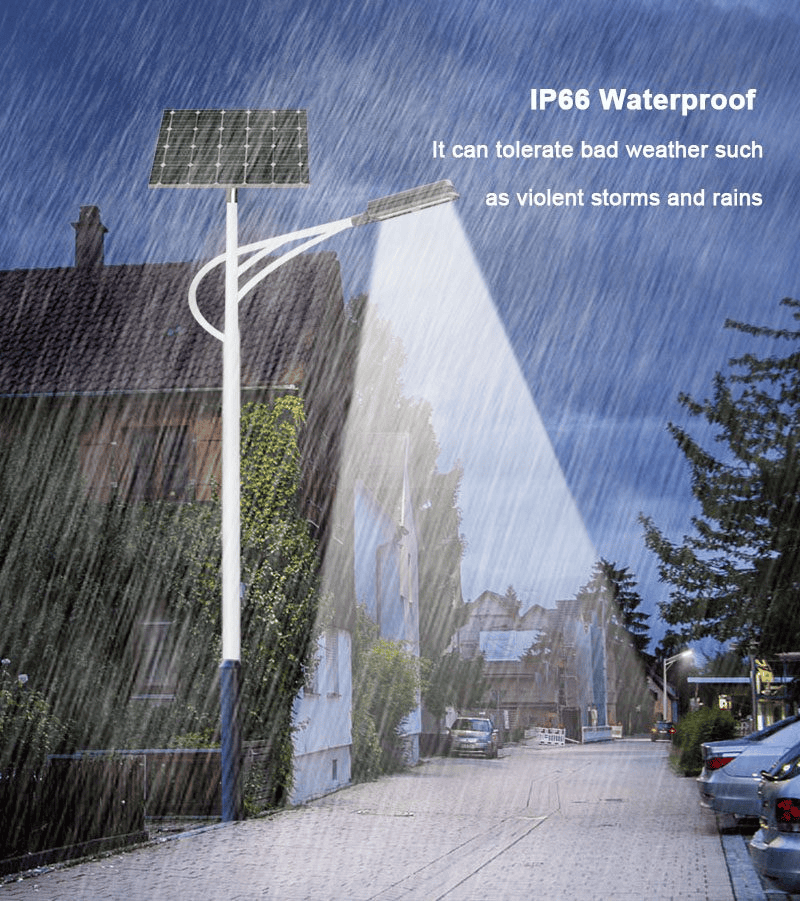
Secondary factors include inferior accessory configuration and harsh environmental impact. Ordinary non-isolated drivers cause unstable current output, resulting in frequent current impact on LED beads and accelerated aging. Meanwhile, long-term exposure to ultraviolet rays, rainwater and dust will cause lens yellowing and light transmittance reduction, indirectly reducing the overall brightness of the lamp. Solar lights with unstable charging management also suffer from aggravated light decay due to irregular current output.
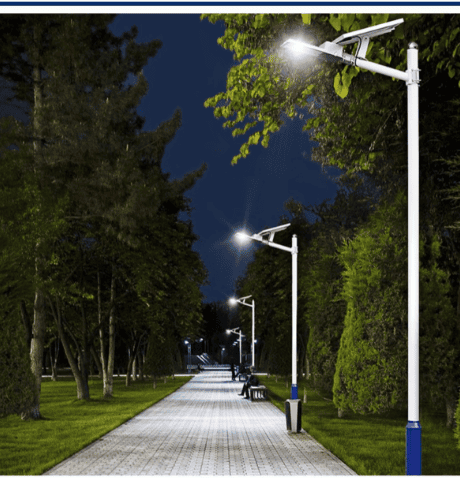
Professional manufacturers adopt multiple technical solutions to control light decay effectively. Engineering-grade outdoor lamps are equipped with thickened die-cast aluminum fin heat dissipation structures, which expand the heat dissipation area and realize rapid heat conduction and cooling. Matching high-quality isolated constant-current drivers ensures stable current output. In addition, high-transmittance anti-UV PC lenses and high-grade LED chips are adopted to resist yellowing and aging.
Standard professional LED lamps can control the light decay rate within 10% after 50,000 hours of operation, maintaining long-term stable lighting performance. For municipal, industrial and long-term outdoor projects, low light decay performance is a key standard to reduce replacement frequency and improve project quality.