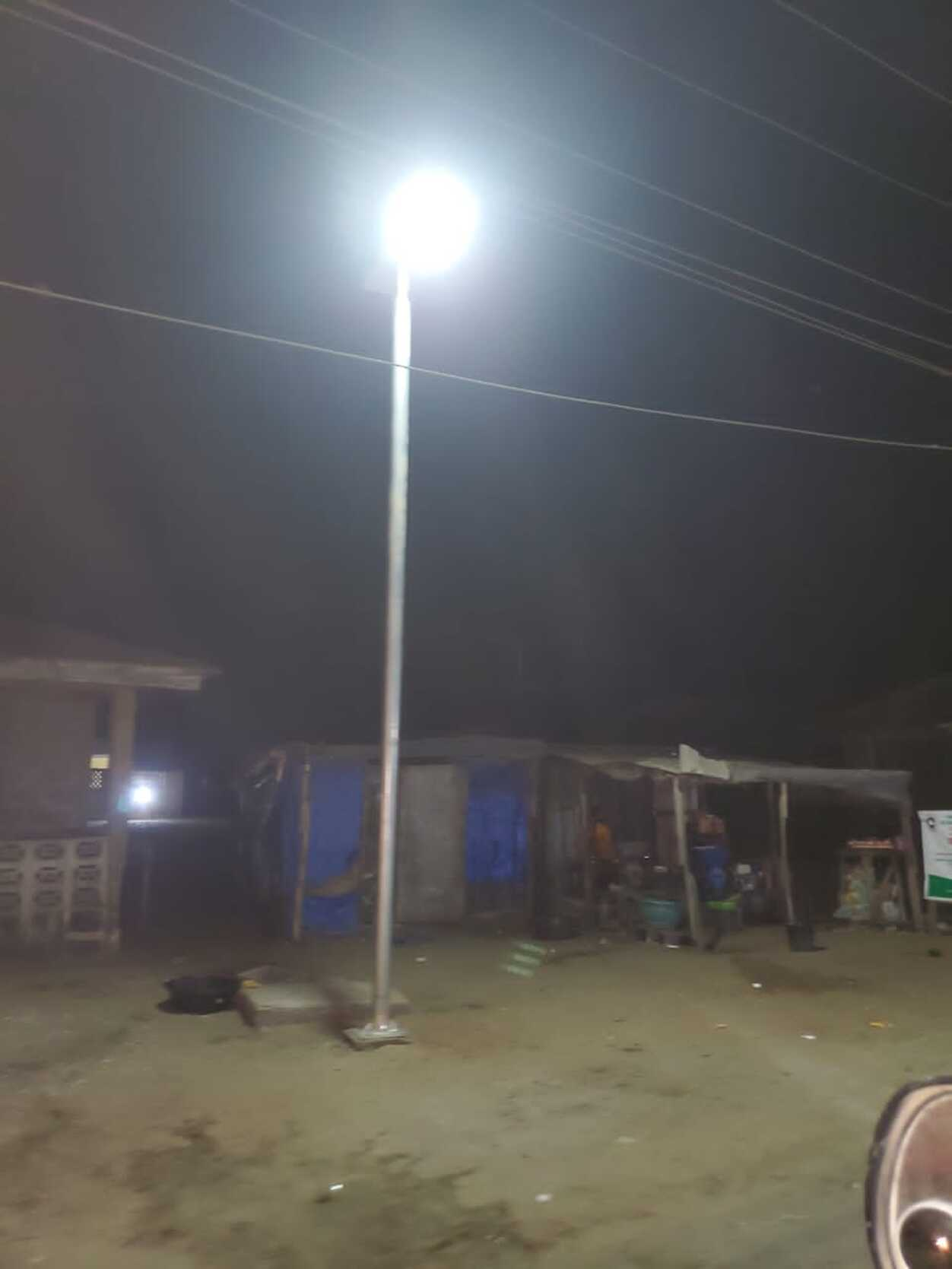
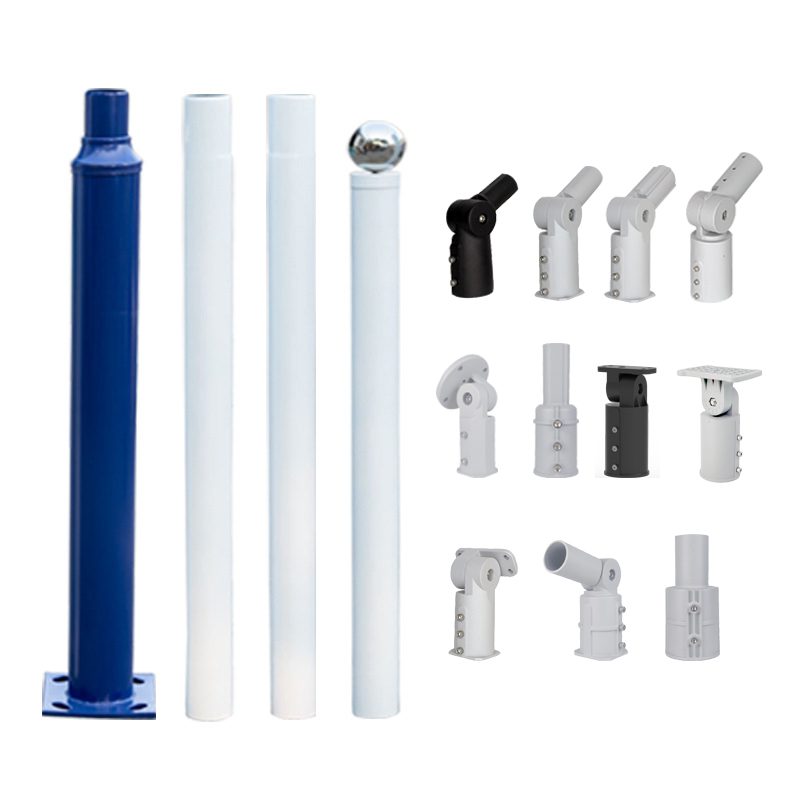
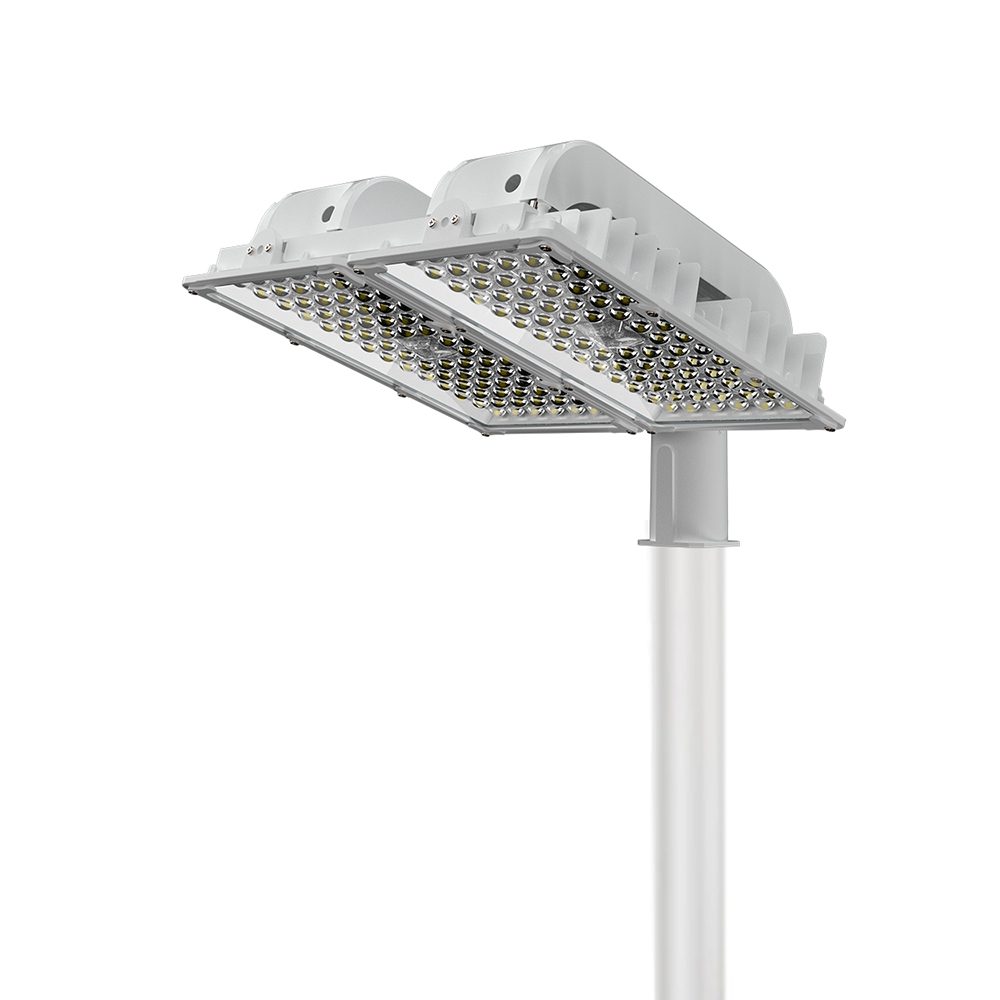
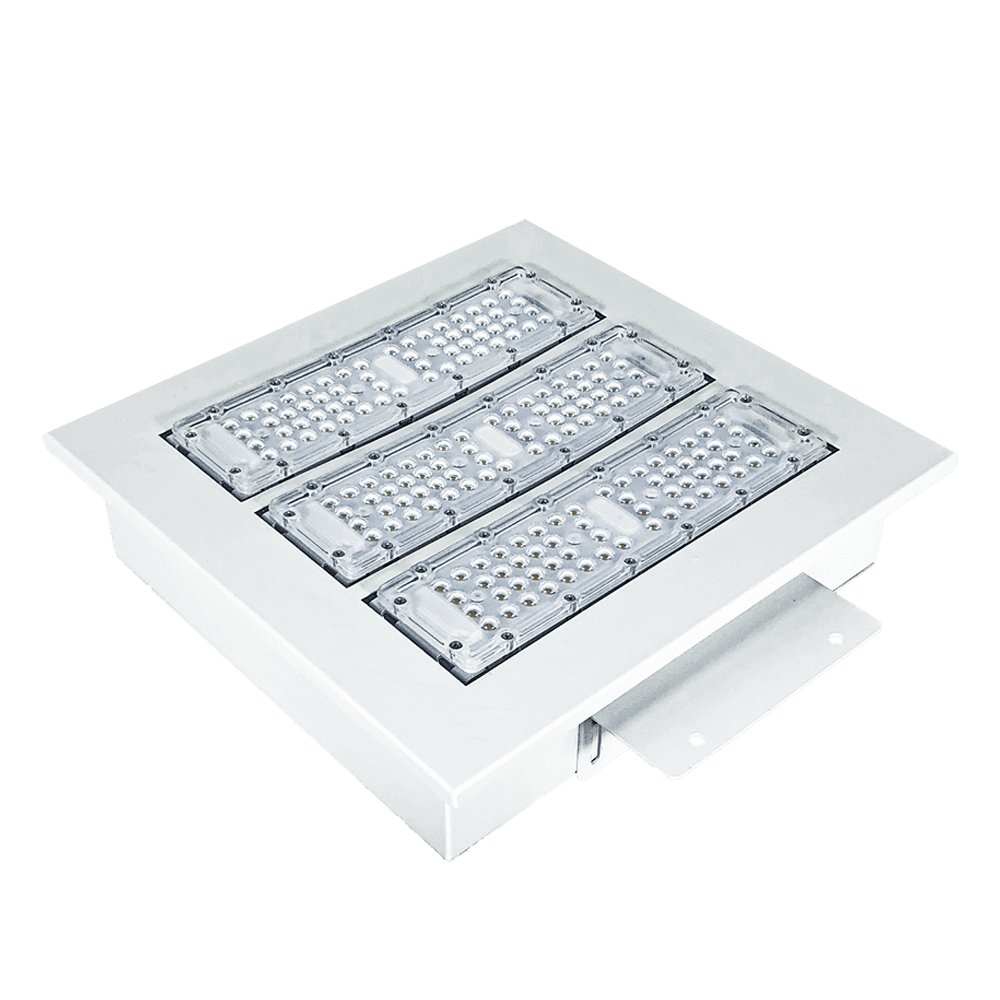
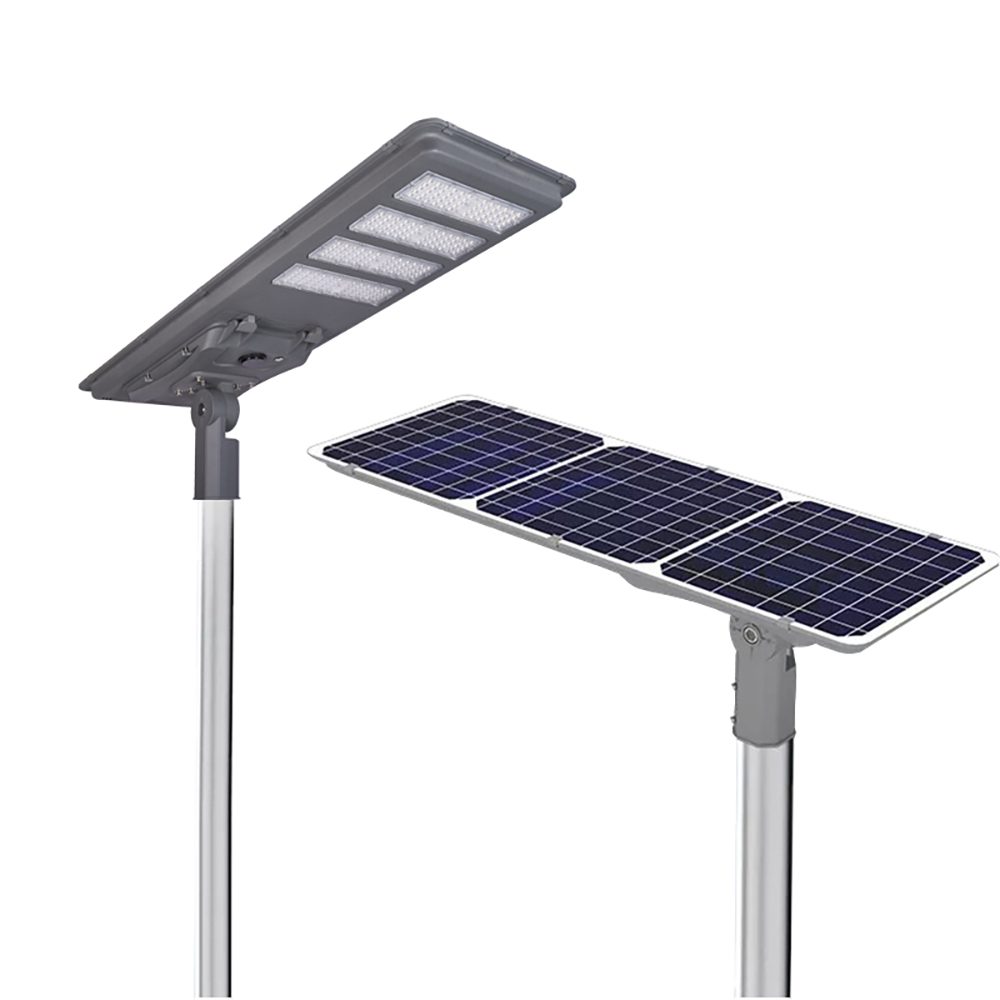
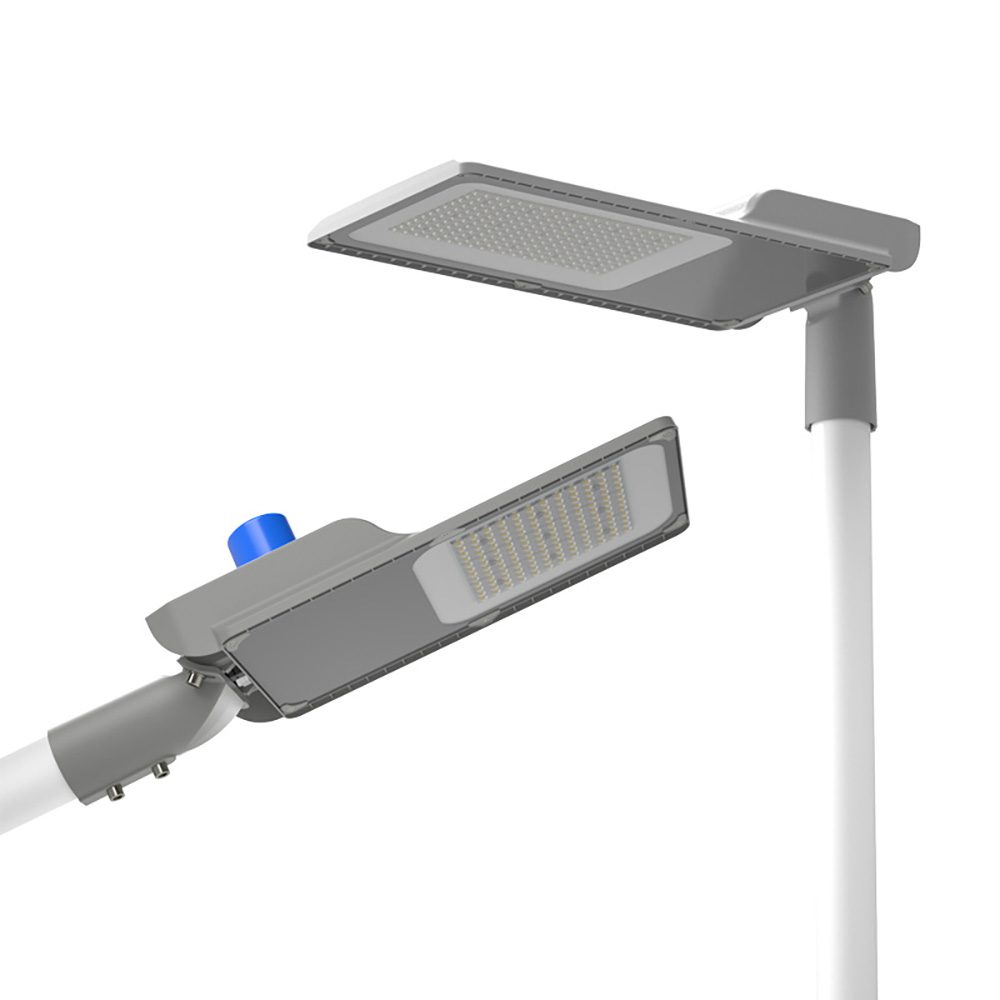
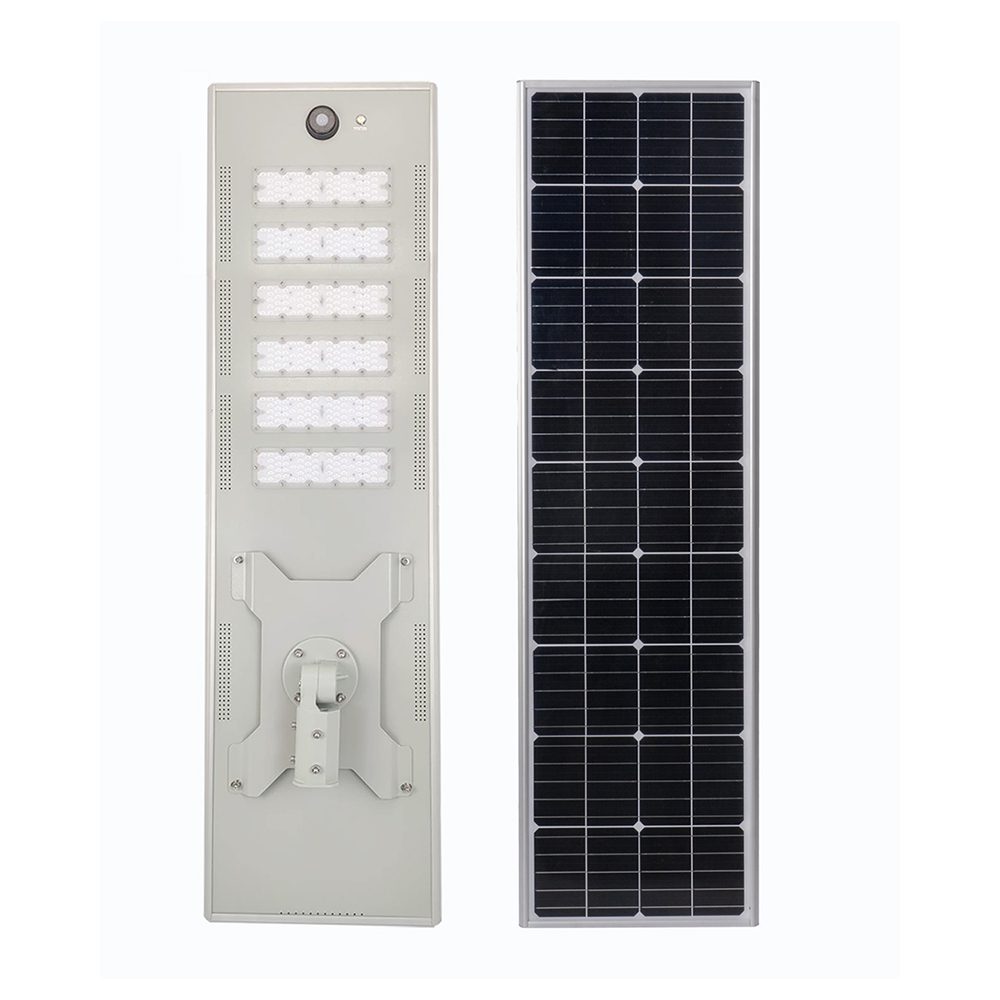

In summer, high temperature, intense sunshine, heavy rainfall, thunderstorms and strong winds bring severe challenges to the stable operation of solar LED street lamps. In accordance with current lighting industry maintenance standards and engineering practice, six key aspects including heat dissipation, waterproofing, lightning protection, cleaning, wind resistance and intelligent regulation must be well managed to ensure stable lighting, prolonged service life and safe operation.
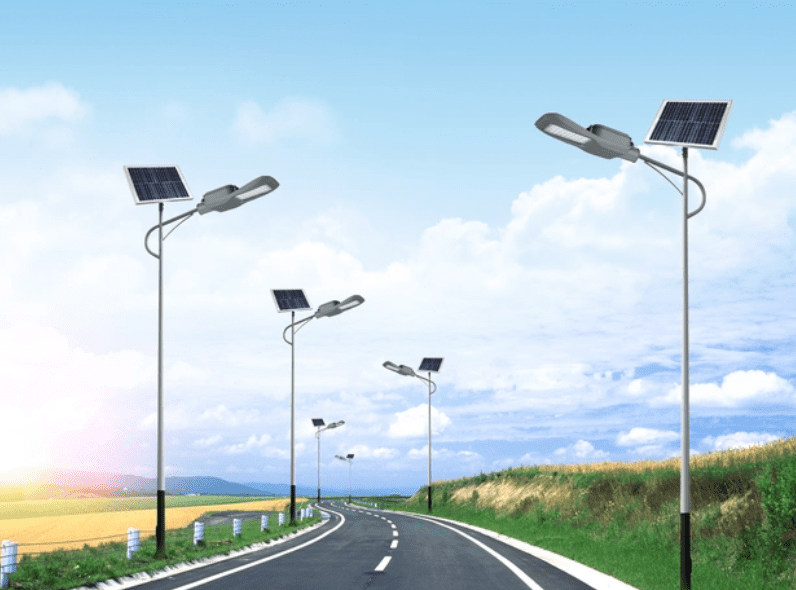
High temperature protection is the top priority in summer. Solar panels, batteries and LED light sources are prone to performance degradation under continuous high temperatures. Storage batteries are most sensitive to heat; excessively high ambient temperature will reduce internal activity, cause battery bulging and shorten service life. Poor heat dissipation of LED lamp heads will accelerate light decay and weaken lighting effect. It is necessary to keep the battery and controller compartments well ventilated and free of blockages. The heat dissipation structure of lamp heads should be kept intact to avoid overheating caused by long-term direct sunlight. Simple sunshade measures can be adopted when necessary to reduce overheating risks.
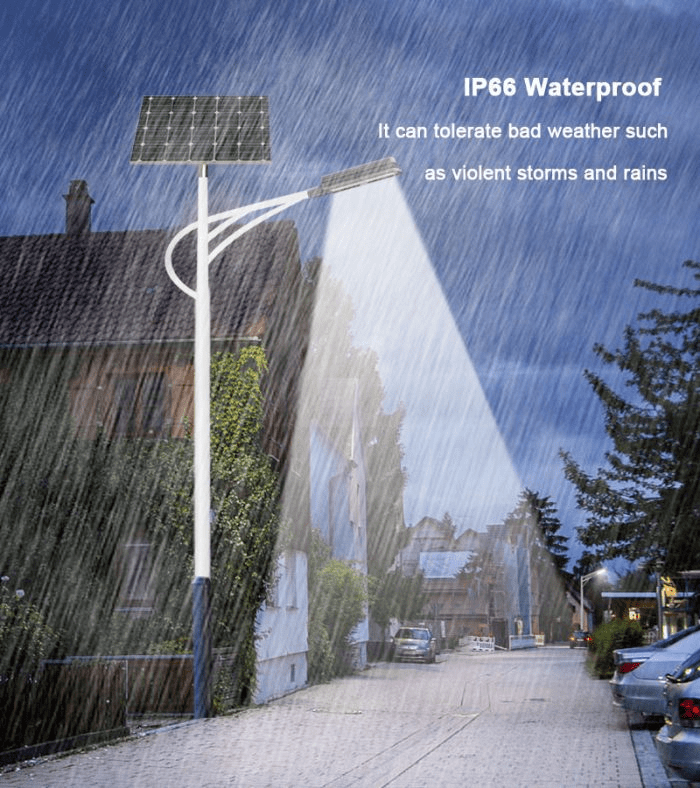
Waterproofing and moisture prevention must not be overlooked. Summer is featured with frequent sudden rainfalls. Aging seals of lamp heads, junction boxes and battery compartments may lead to water seepage, which can cause short circuits and burnout of electronic components. It is required to regularly inspect the sealing strips and fully waterproof all wiring connectors. After rain, check for water accumulation and condensation in a timely manner and handle hidden faults immediately.
Lightning and wind protection ensure structural safety. With frequent thunderstorms in summer, solar street lamps in open areas are vulnerable to lightning strikes. Lightning protection devices and grounding systems must be kept intact and reliable to prevent damage to controllers and batteries. Meanwhile, with increasing strong winds, inspect lamp pole bases, solar panel brackets and fixing screws regularly, and fasten loose parts to prevent bracket shaking or lamp pole tilting so as to avoid safety accidents.
Regular cleaning improves power generation efficiency. Dust, pollen, bird droppings and branches easily cover solar panels in summer, directly reducing photoelectric conversion efficiency, insufficient charging and shortened lighting hours at night. Clean solar panels regularly to maintain high light transmittance, and trim overgrown plants around to avoid shading and ensure full sunlight absorption.
Intelligent regulation extends service life. Summer enjoys long sunshine hours and sufficient charging capacity. The controller should be properly set with charge and discharge protection to avoid overcharging. Meanwhile, activate midnight dimming and power reduction mode to cut unnecessary power consumption, guarantee basic lighting, reduce equipment load, and improve the overall stability and service life of the system.
Summer is a high-load operation period for solar LED street lamps. Only by strictly implementing high-temperature protection, waterproof and lightning protection, regular cleaning and scientific regulation can the system maintain safe and stable operation and achieve long-term reliable lighting.