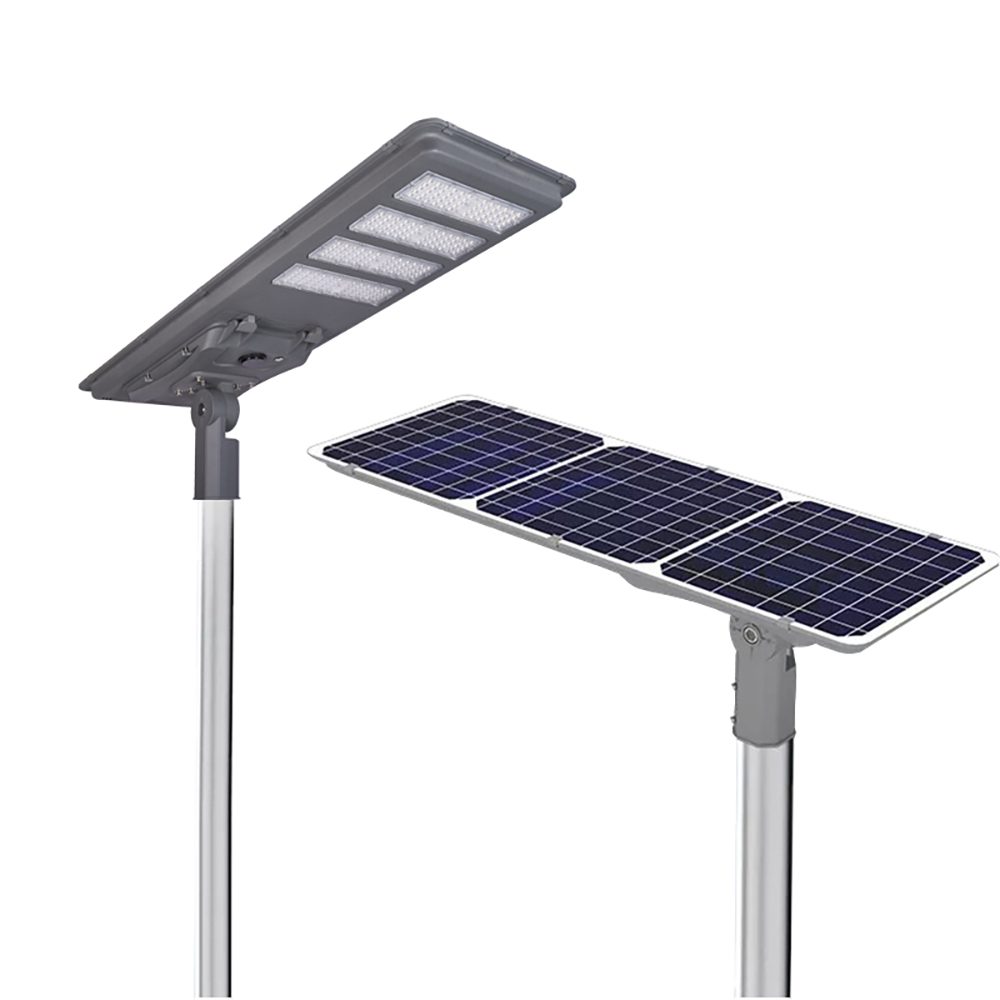
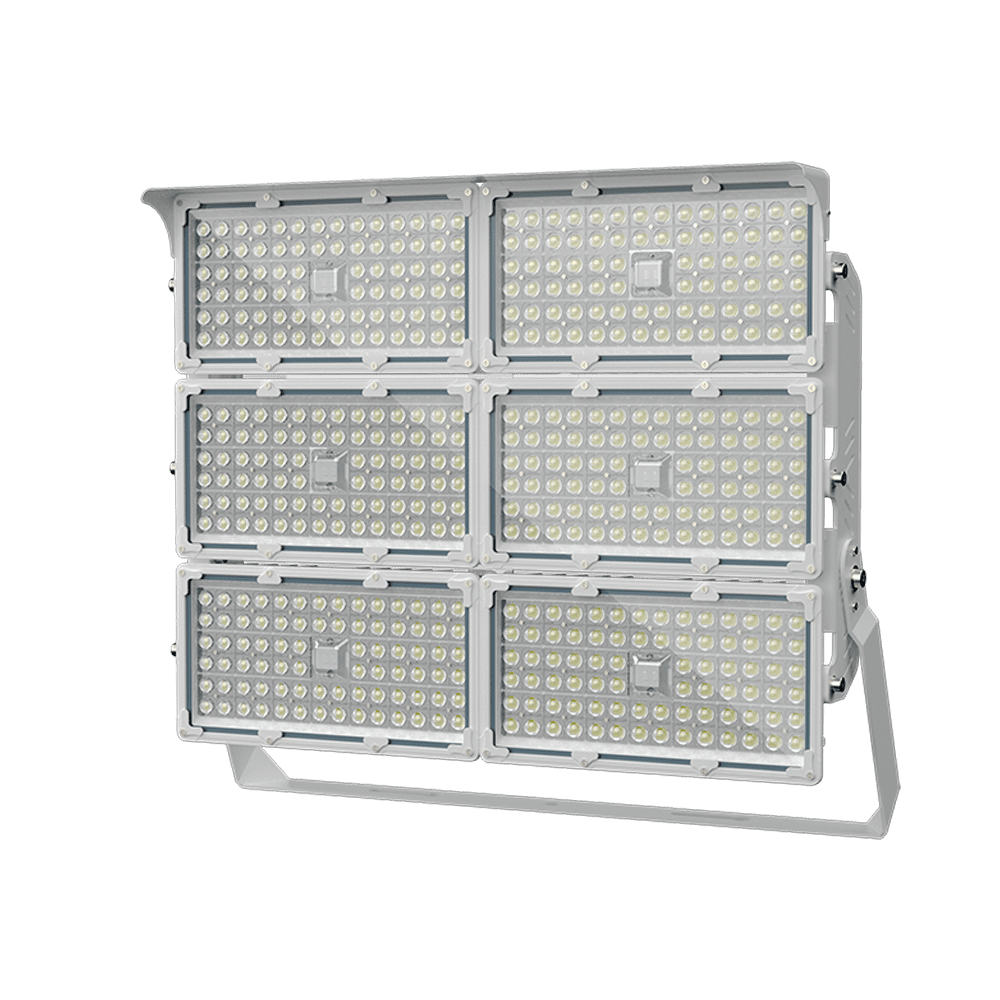
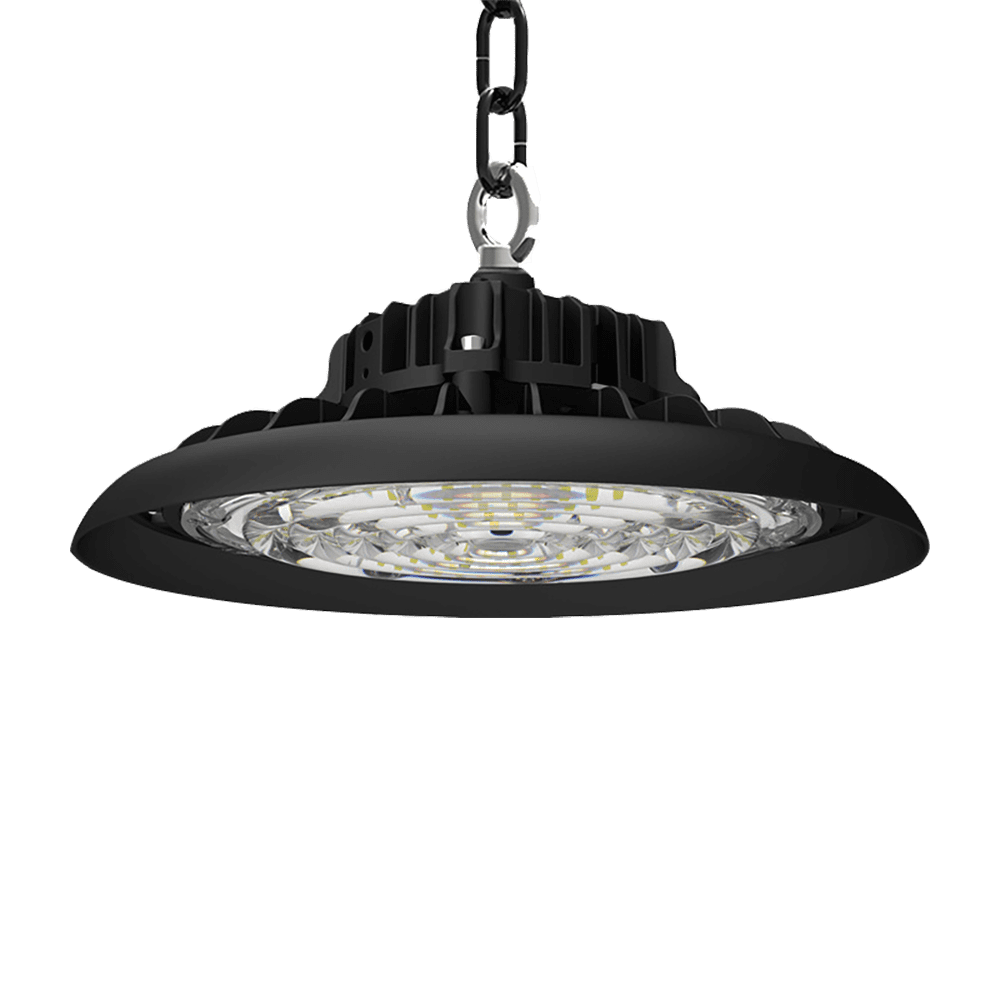
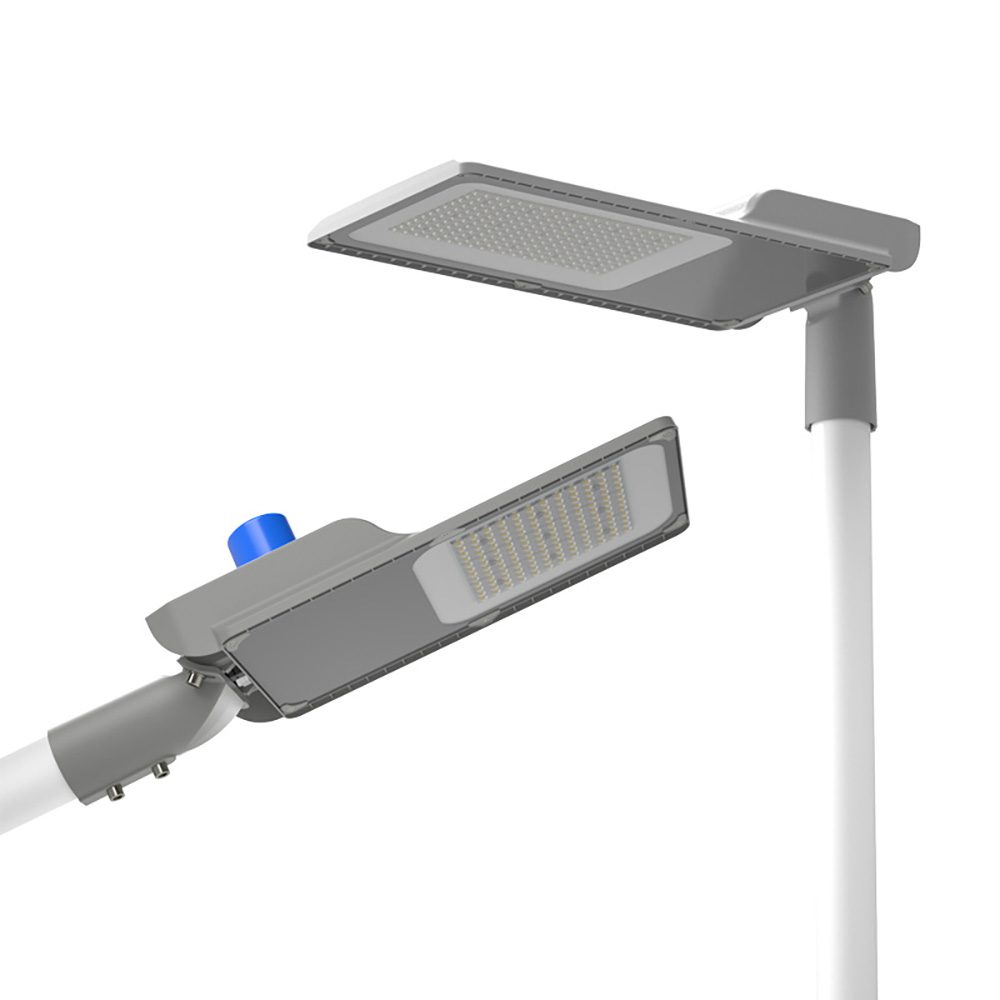
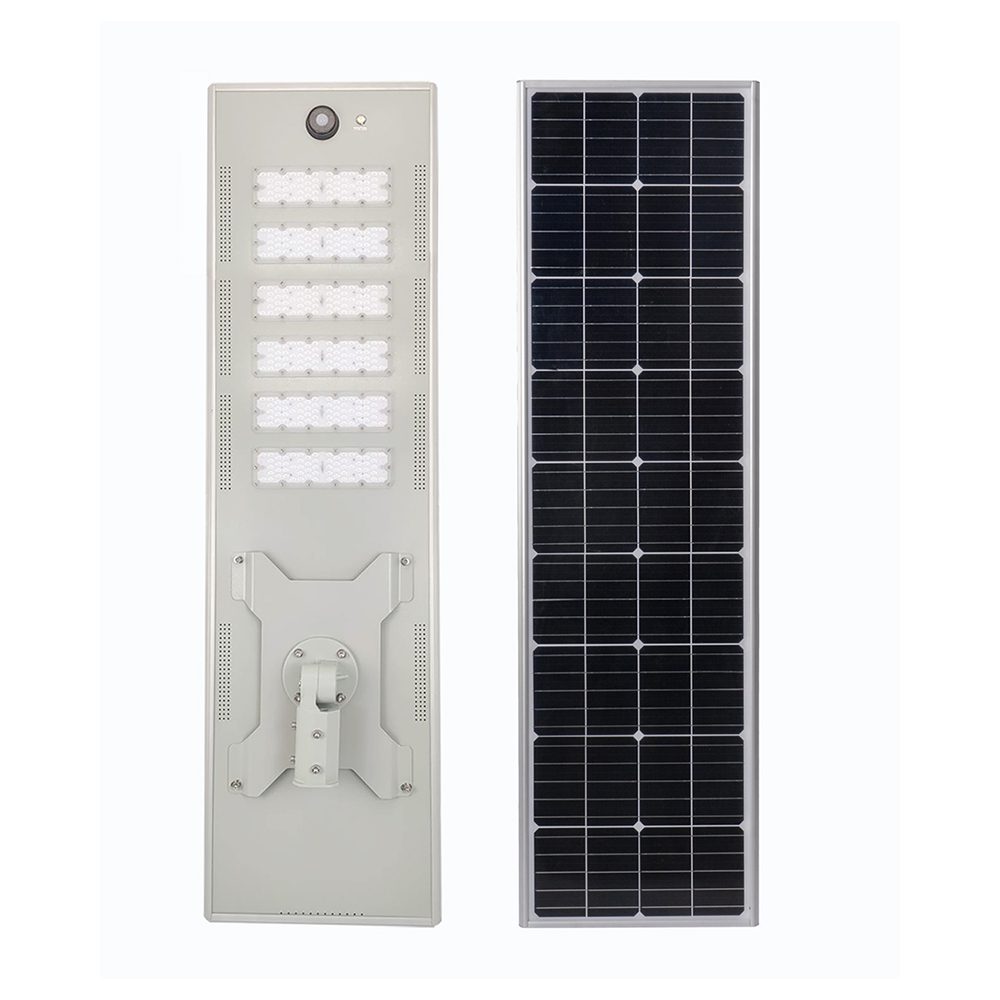

Driven by the national carbon peaking and carbon neutrality goals as well as the construction of smart cities, LED outdoor lighting has become the mainstream choice for municipal engineering, industrial parks and commercial spaces. According to industry news and market reports, the global outdoor LED lighting market continues to maintain steady growth. With a large number of homogeneous products flooding the market, it is essential to select LED outdoor luminaires in a scientific and standardized way by taking into account application scenarios, core performance parameters, protection durability and intelligent compatibility, so as to balance safety, energy efficiency and long-term operational value.
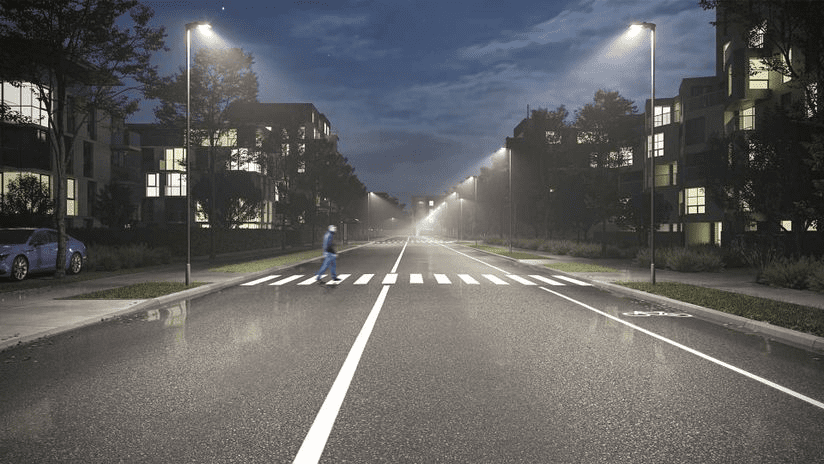
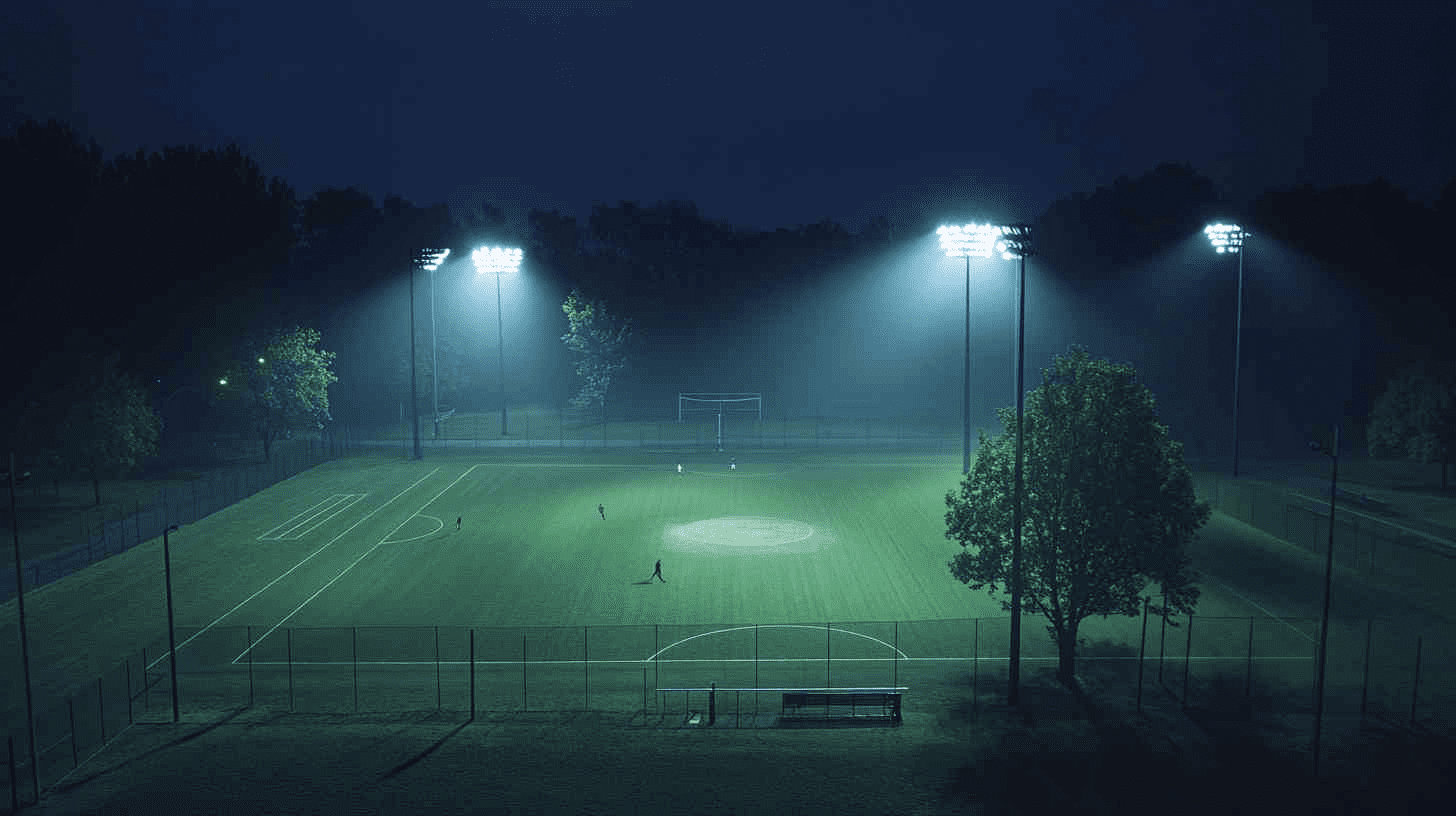
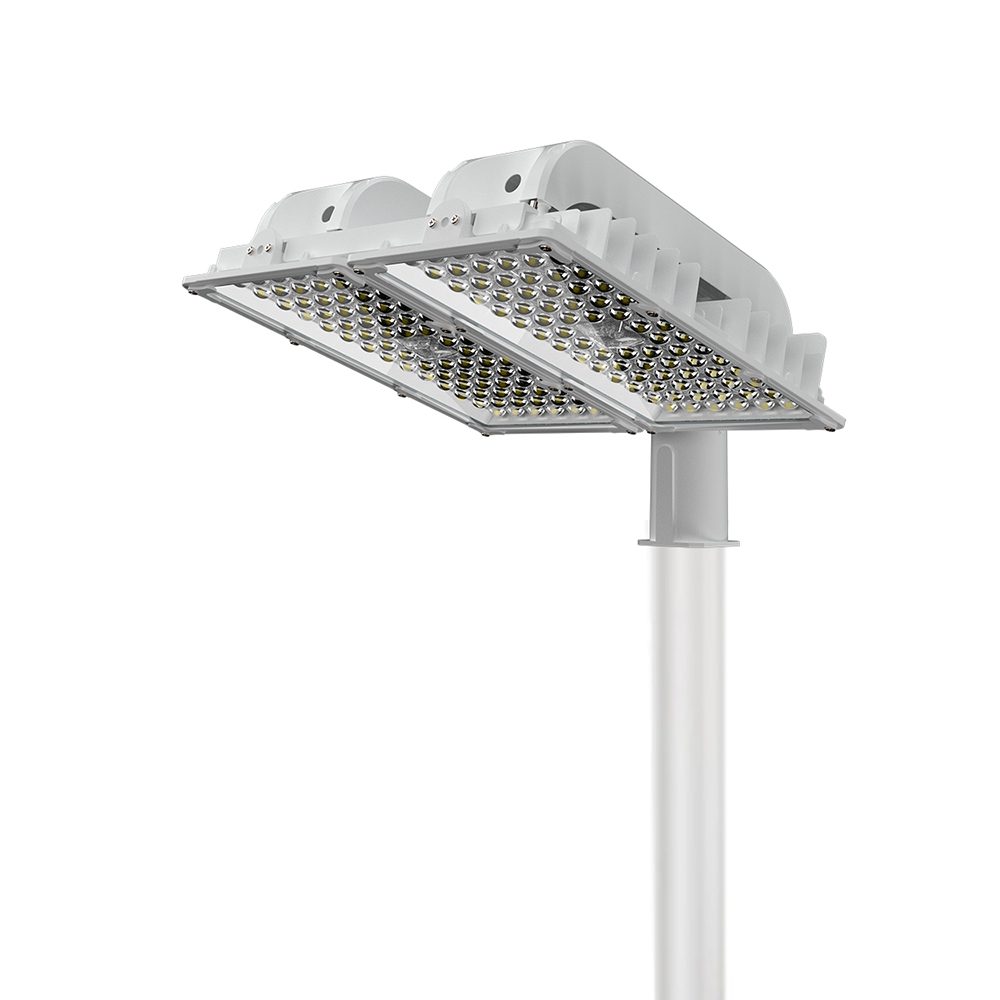
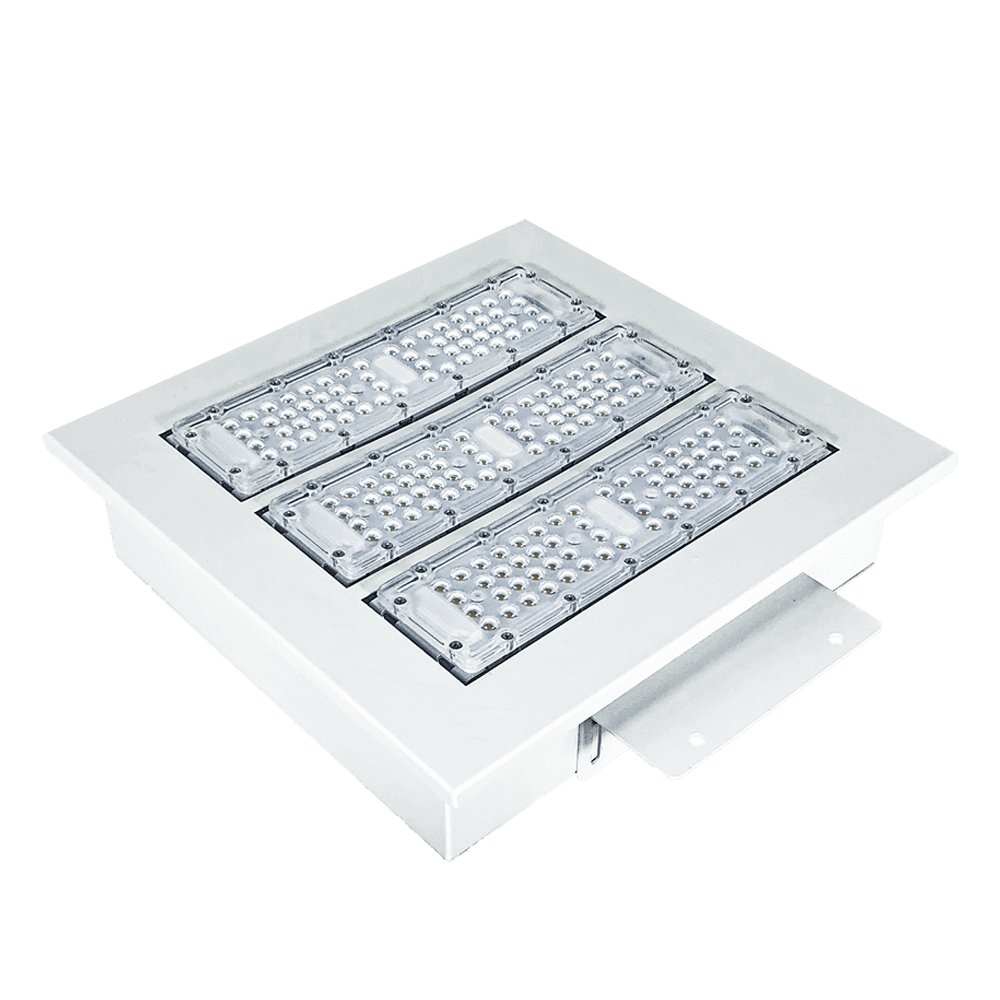
1. Matching luminaires with application scenarios is the first step in selection. Different outdoor environments have distinct lighting requirements. Main roads need street lamps with high uniformity and low glare to ensure driving safety; parking lots and plazas adopt high-efficiency floodlights for wide coverage and sufficient brightness; courtyards and landscape areas prefer warm white light to create a comfortable ambient effect; factory zones and security blind spots require spotlighting fixtures to improve recognition. It is necessary to clarify the installation height, irradiation range and illuminance standard first, and select corresponding lamp types to avoid excessive power waste or insufficient brightness.
2. Optical parameters directly determine lighting quality and energy-saving performance. The color rendering index is recommended to be no less than 80 to restore real colors and enhance night safety identification. The color temperature of 3000K to 5000K is the optimal choice for most outdoor occasions. High luminous efficiency helps reduce power consumption and cut long-term electricity costs. Reliable light decay performance also ensures stable brightness during long-term operation.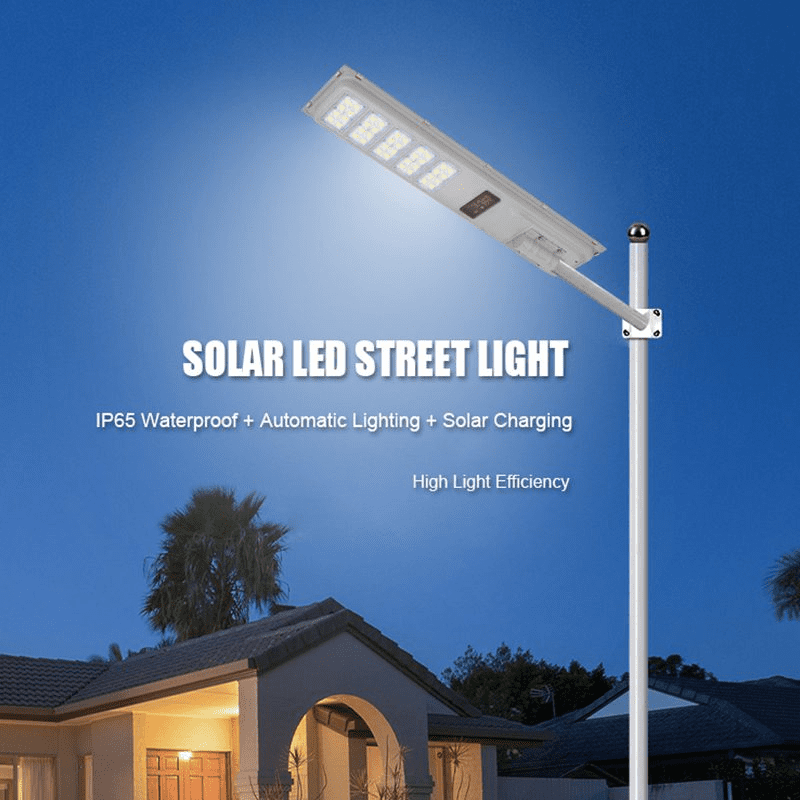
3. Protection grade and durability are critical for outdoor use. Outdoor lamps must withstand rain, snow, dust and extreme temperatures. The minimum IP protection rating should reach IP65, while coastal and heavily polluted areas are advised to choose IP66 or above. Die-cast aluminum housing features corrosion resistance and aging resistance, and tempered glass lampshades provide good impact resistance. A professional heat dissipation structure effectively reduces light decay and extends the service life of LED light sources.
4. Intelligent adaptation and compliance represent the development trend of the industry. Modern outdoor lighting is evolving toward intelligent management. It is advisable to select luminaires compatible with daylight sensors, motion sensors and timing control to realize on-demand dimming and further save energy. Meanwhile, products should meet national safety standards with lightning protection and overvoltage protection functions. Choosing formal brands with long-term warranty can effectively avoid frequent maintenance caused by low-quality products.
5. In conclusion, selecting outdoor LED luminaires is a systematic project that balances performance, cost and practical value. Reasonable selection based on scenario demands, professional parameters, environmental adaptability and intelligent functions can deliver safe, energy-saving and stable lighting solutions, meeting the development needs of green low-carbon construction and smart urban upgrading.