
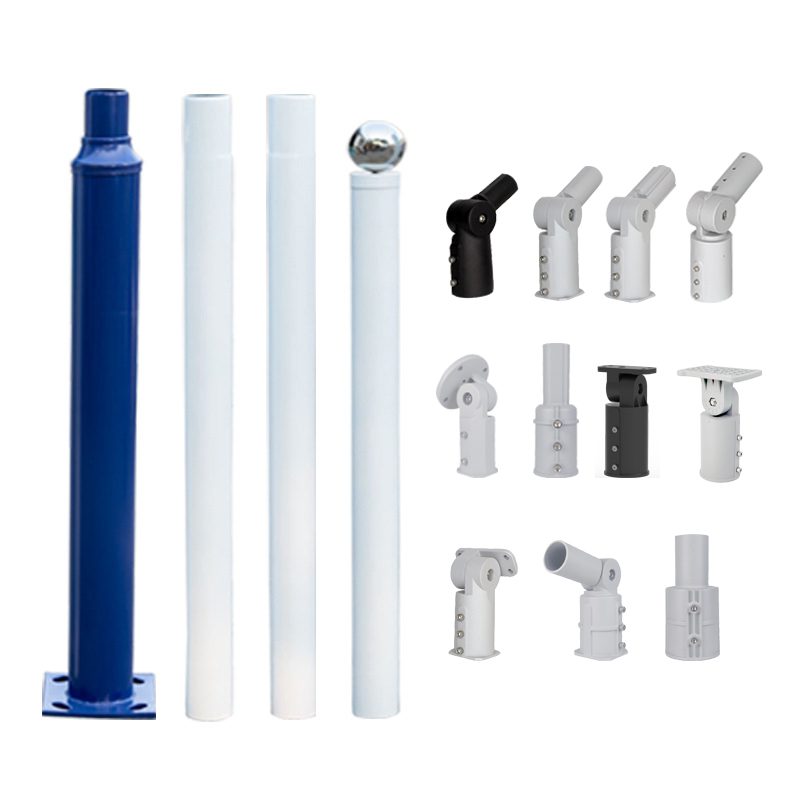
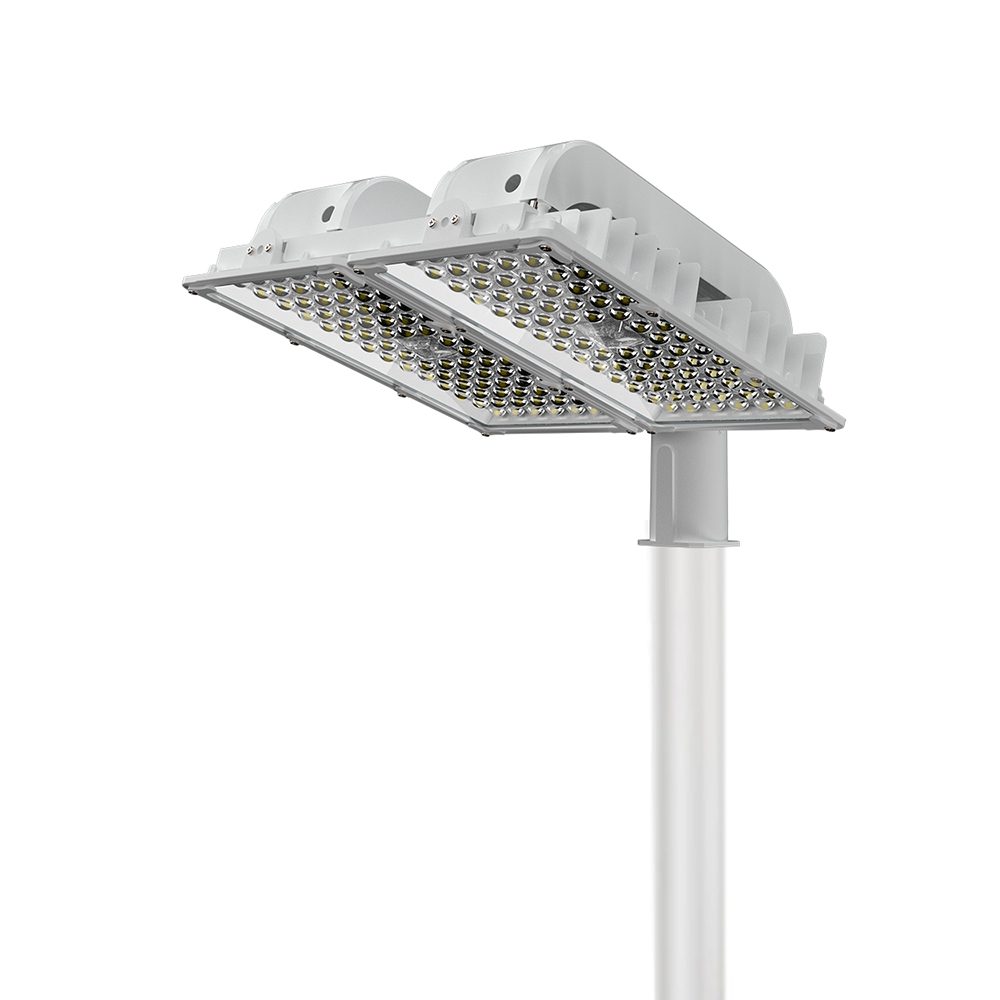
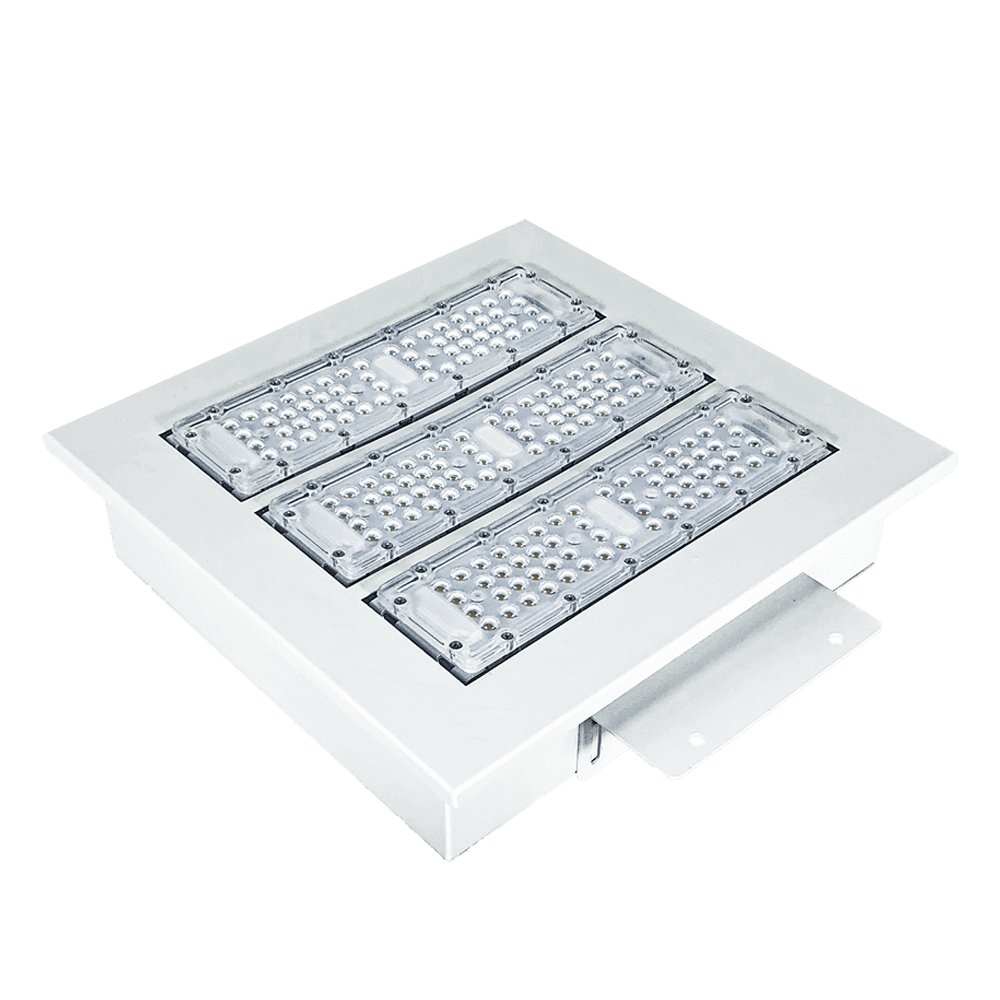
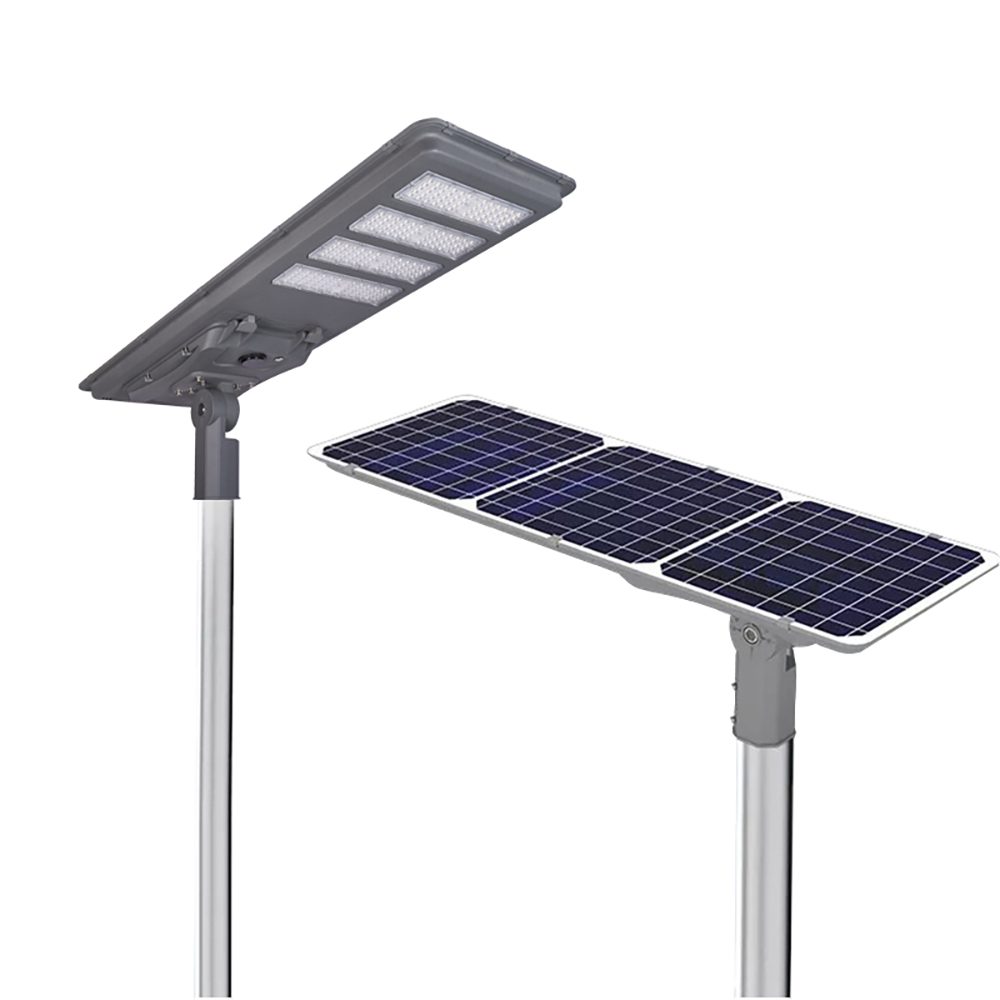

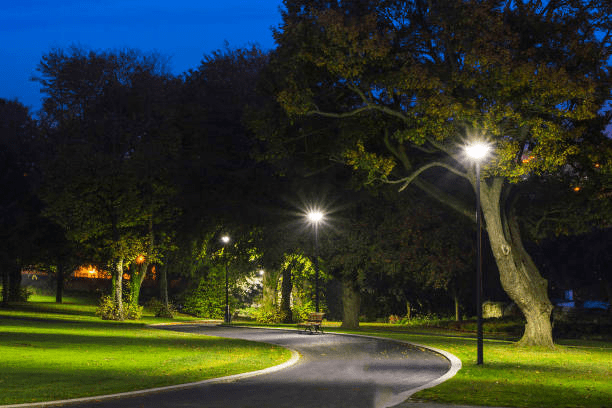
Gardens, parks, and outdoor yards are no longer just decorative spaces. With the right lighting, they become functional areas for evening relaxation and showcasing landscaping features. Solar garden lights are increasingly popular because they combine energy efficiency, ease of installation, and low maintenance, making outdoor lighting accessible for almost any property.
Unlike traditional AC-powered lights, solar fixtures operate independently from the power grid. They do not require trenching or complex wiring, which reduces installation costs and allows flexible placement. Modern solar lights use high-efficiency LED modules, providing bright and reliable illumination while minimizing energy consumption. In this article, we explore the types of garden lights, why solar is the preferred choice, and key considerations when selecting the right fixtures.
1. Types of Solar Garden Lights

Garden lighting serves multiple purposes: safety, ambiance, and highlighting landscaping. Choosing the right type of light depends on your goals.
- Pathway and Lawn Lights: These low-height fixtures illuminate walkways, lawns, and garden paths, improving safety and guiding visitors. They provide subtle light that enhances outdoor spaces without overpowering them.
- Spotlights and Landscape Lights: Designed to highlight trees, plants, sculptures, or water features, adjustable spotlights create visual focal points and add depth to the garden. Beam angles can be fine-tuned to illuminate specific areas effectively.
- Decorative and Ambient Lights: Lantern-style lights, LED bollards, and string lights create a cozy and inviting atmosphere around patios, gazebos, or seating areas. These fixtures enhance the aesthetic appeal of your garden.
- Security and Motion-Sensor Lights: Ideal for larger properties, motion-sensor lights improve safety by turning on when movement is detected. They provide illumination only when needed, saving energy and reducing light pollution.
By combining these types, you can achieve layered lighting that balances safety, functionality, and ambiance.
2. Why Solar Garden Lights Are a Smart Choice
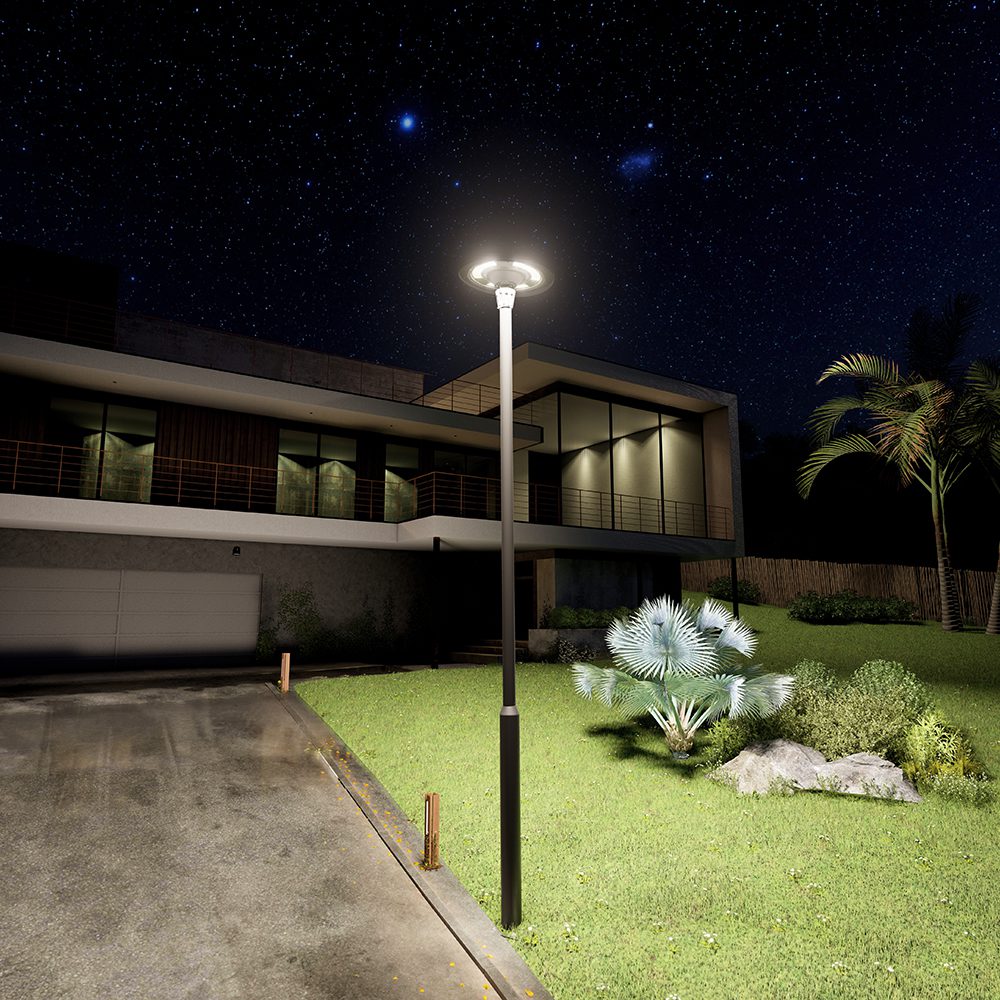
Solar-powered lights offer several advantages over traditional outdoor lighting:
- Energy Efficiency: They run entirely on solar energy, consuming no electricity from the grid. Combined with LED modules, they provide bright illumination at minimal energy cost.
- Flexible Installation: No wiring means lights can be installed anywhere, relocated, or expanded as needed.
- Low Maintenance: Modern solar lights are built for outdoor conditions and require only occasional cleaning or battery replacement.
- Eco-Friendly: Using solar power reduces carbon emissions and contributes to sustainability goals.
- Safe Operation: Without live AC wiring, solar lights reduce the risk of electrical accidents in wet or outdoor environments.
These benefits make solar garden lights suitable for residential yards, small commercial gardens, farms, and public landscapes alike.
3. Key Factors to Consider When Choosing Solar Garden Lights
Choosing the right solar garden light is more than selecting wattage. Consider these factors:
- Battery Capacity and Runtime: Larger batteries ensure longer illumination, especially during cloudy or rainy periods. Select a battery that meets the nightly lighting needs of your garden.
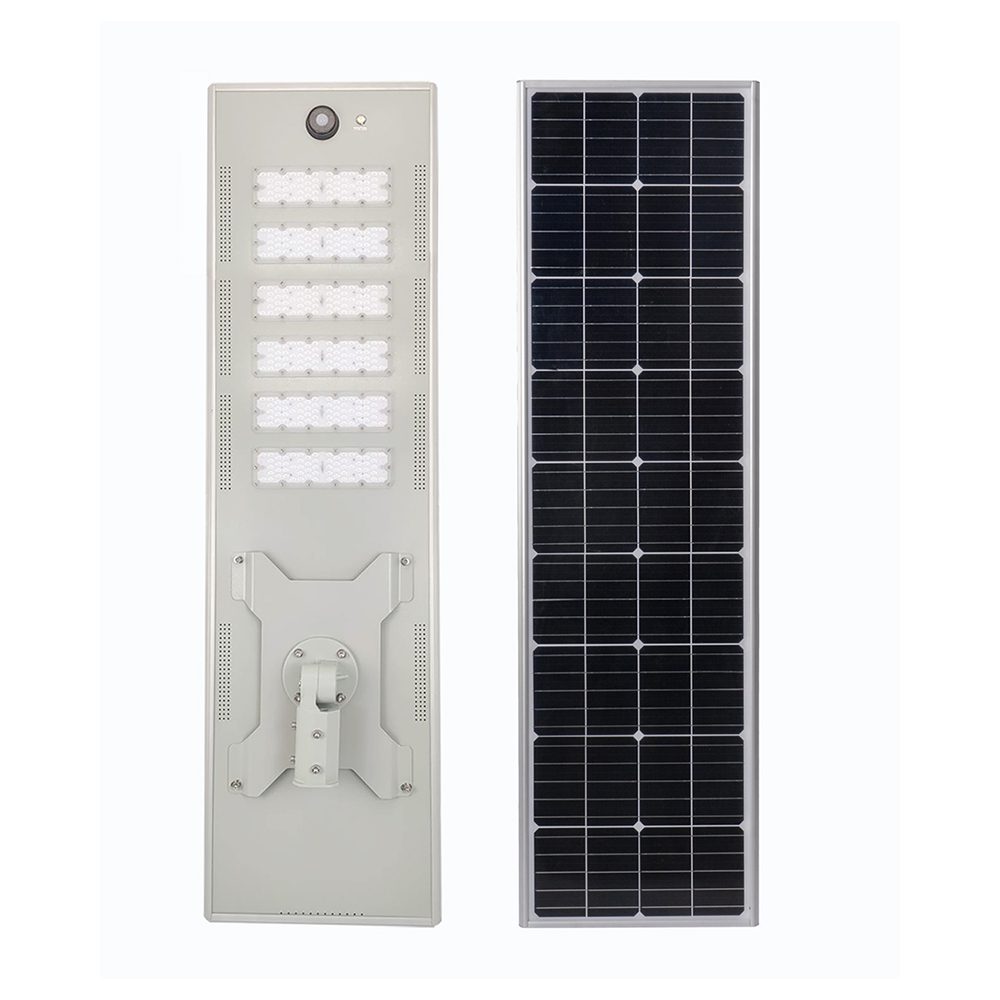
- Solar Panel Efficiency: High-quality panels charge faster and maintain consistent operation even in low-light conditions. Monocrystalline panels are commonly preferred for better performance.
- Brightness and Color Temperature: Pathway lights usually require lower lumens, while accent or spotlight fixtures need higher output. Warm white (2700–3000K) creates a cozy atmosphere, while neutral or cool white is better for highlighting features.
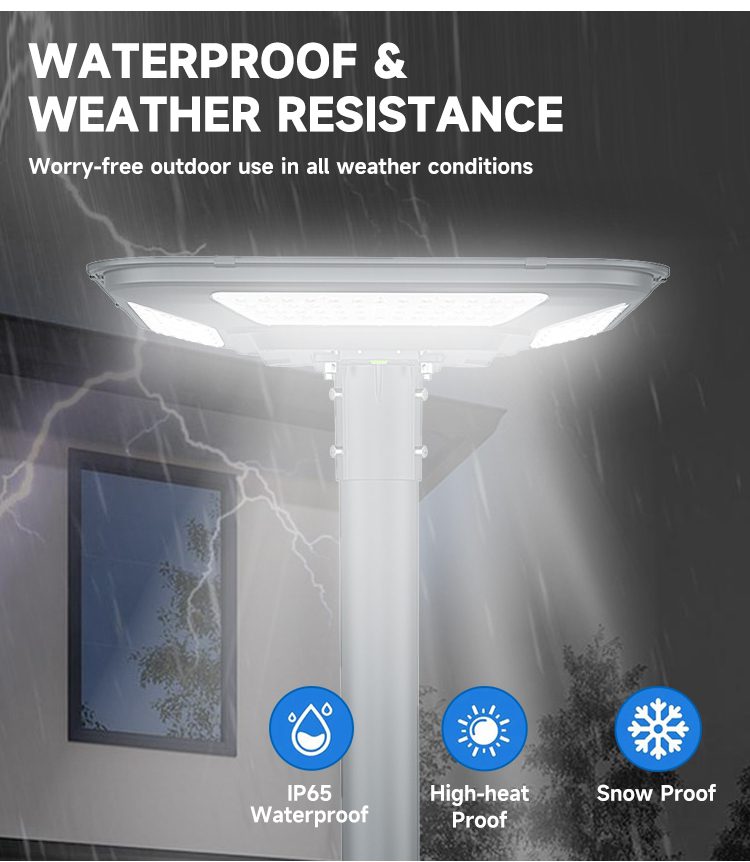
- Durability and Weather Resistance: Look for IP65 or higher-rated fixtures, corrosion-resistant housing, and materials designed to withstand rain, wind, and UV exposure.
- Design and Aesthetics: Choose a style that matches your garden theme. Modern slim fixtures suit contemporary gardens, while lantern or decorative styles complement classic designs.
- Smart Features: Motion sensors, dusk-to-dawn operation, dimming modes, or remote controls add convenience and energy savings.
4. Creating a Balanced Lighting Plan

A well-lit garden usually combines multiple layers of lighting:
- Use pathway lights to safely guide visitors.
- Add spotlights or landscape lights to emphasize key plants, trees, or decorative elements.
- Integrate decorative lights around seating areas or patios for ambiance.
- Install motion-sensor lights in darker corners to enhance security while conserving energy.
Layered lighting enhances safety, improves visual appeal, and ensures energy efficiency.
5. Conclusion
Solar garden lighting is more than functional—it transforms outdoor spaces into safe, beautiful, and energy-efficient areas. From lawns and pathways to decorative landscapes and security applications, solar lights provide flexible solutions suitable for various environments.
When selecting solar garden lights, consider battery capacity, solar panel efficiency, brightness, color temperature, durability, and smart features. Matching these factors to your specific garden needs ensures reliable, comfortable, and attractive illumination. With the right planning and quality fixtures, your outdoor space can remain well-lit, safe, and visually appealing while supporting sustainable energy use.