
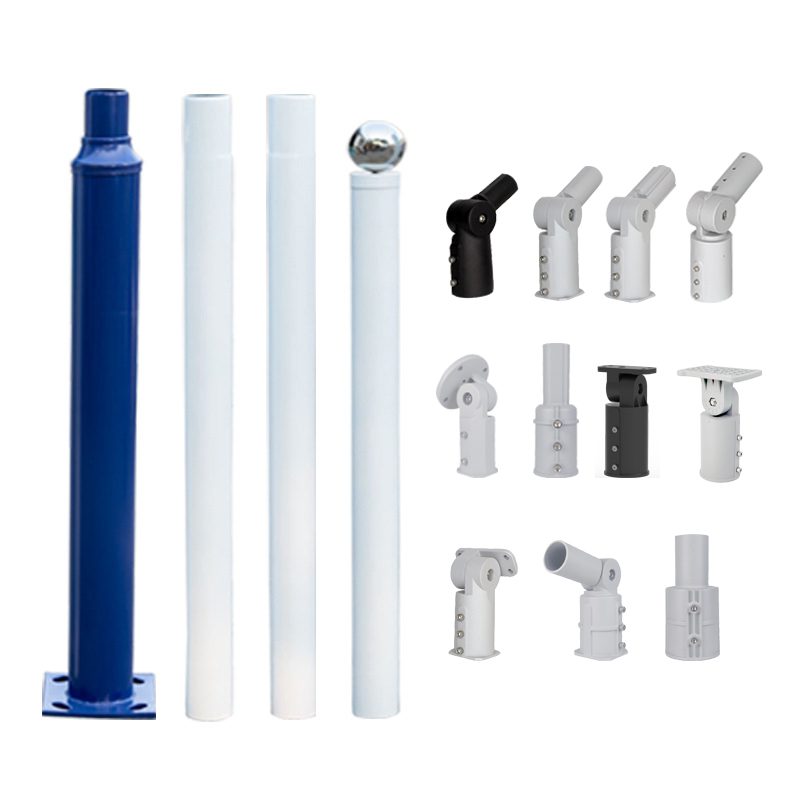
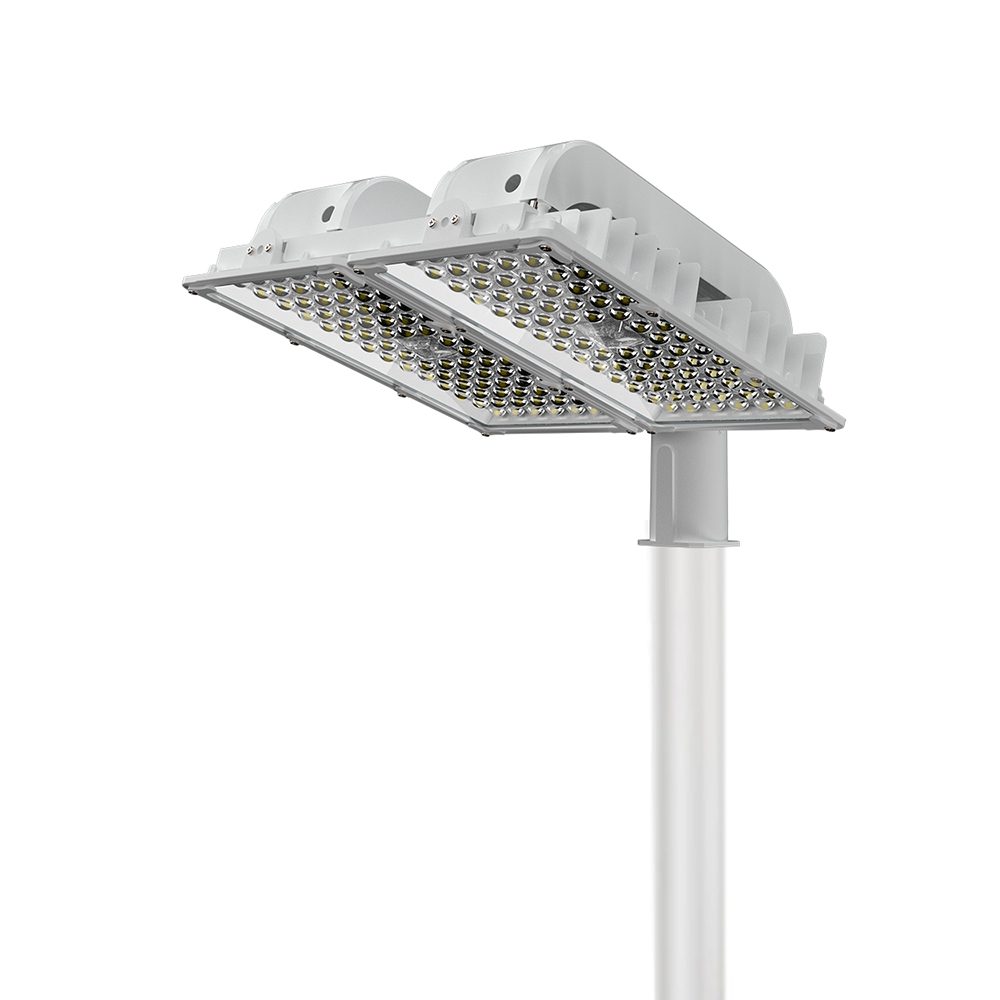
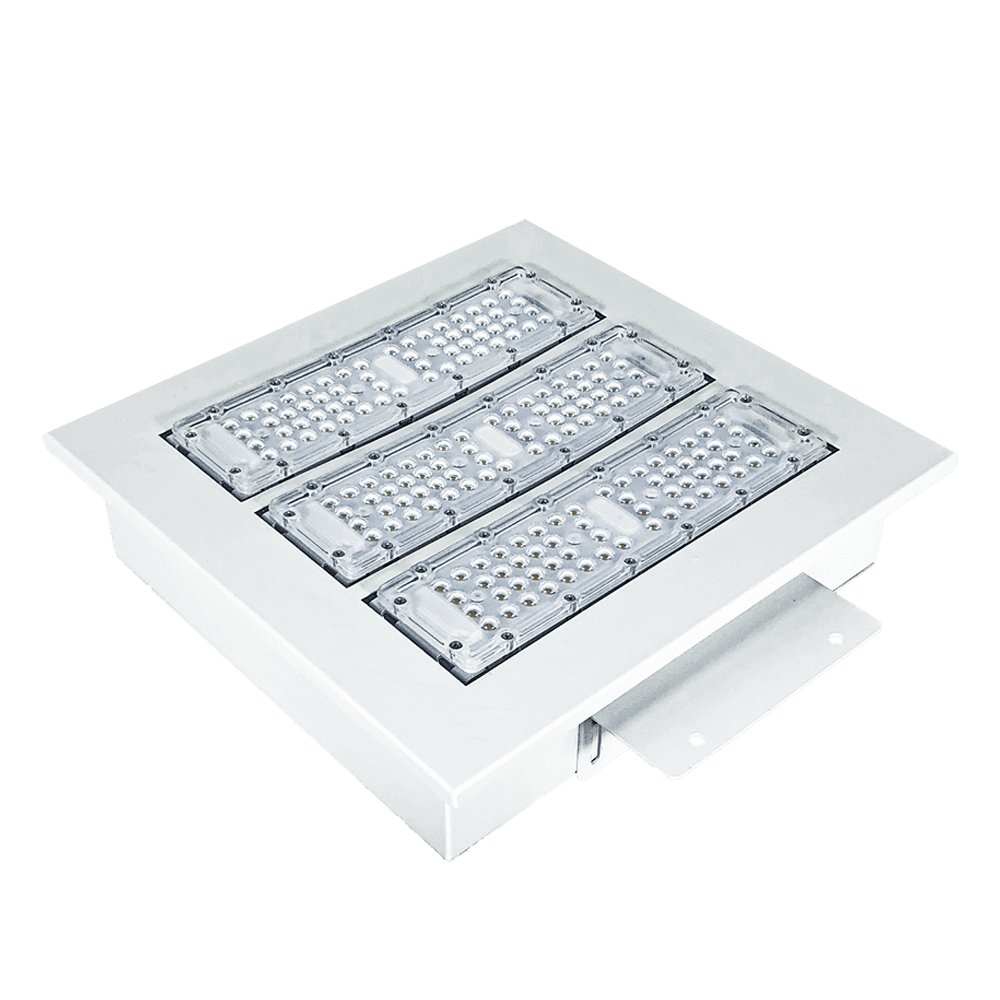
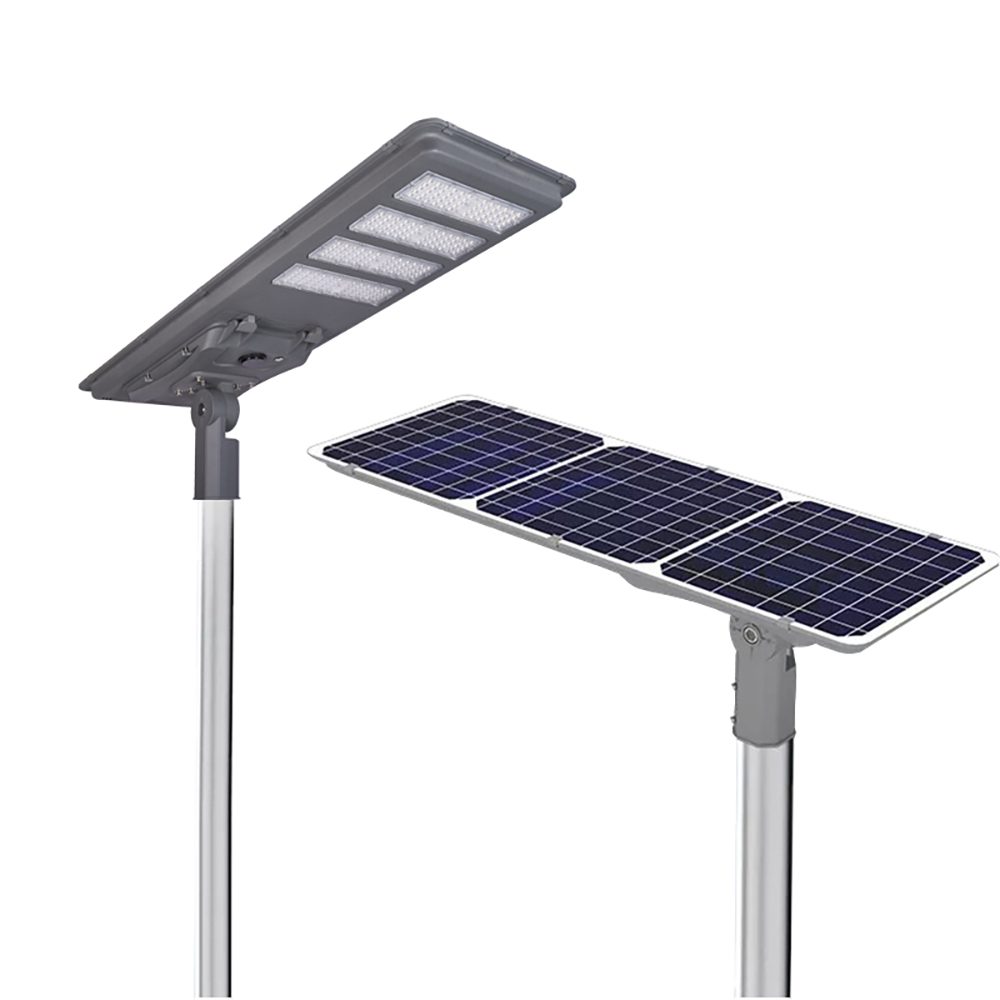
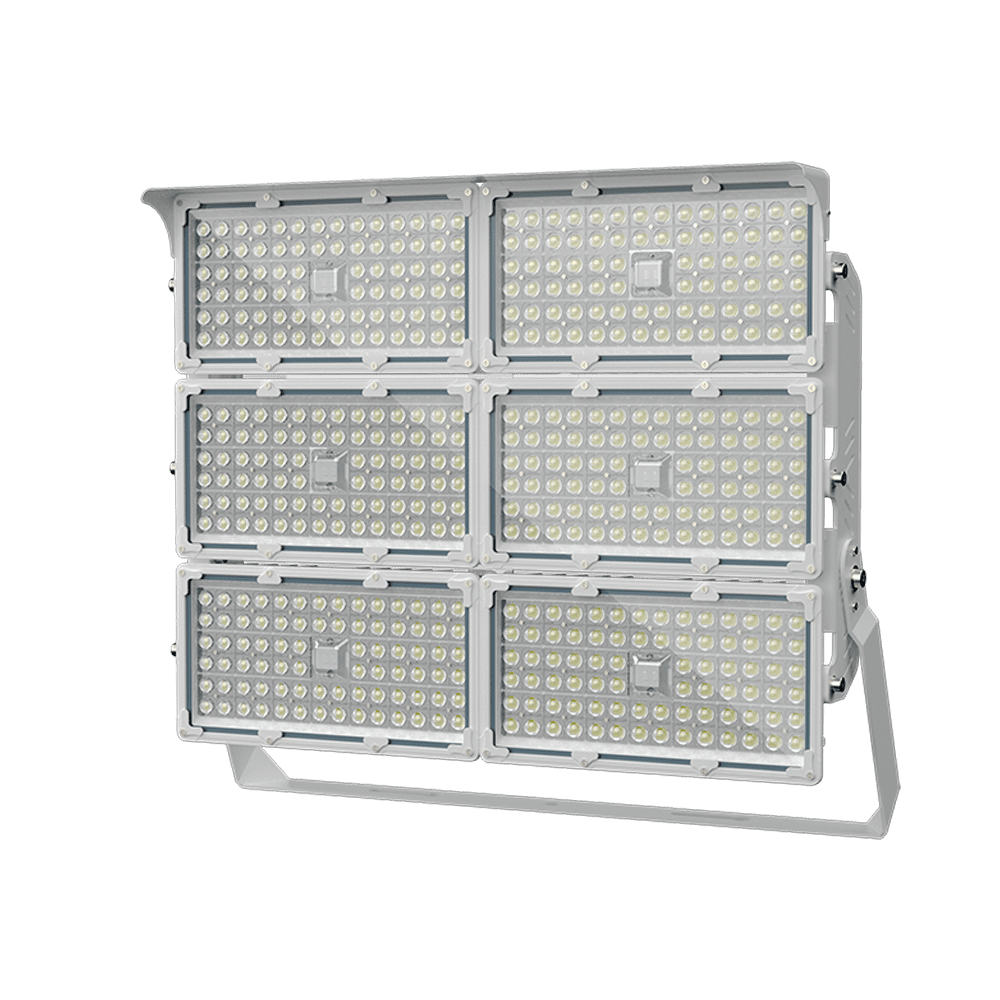
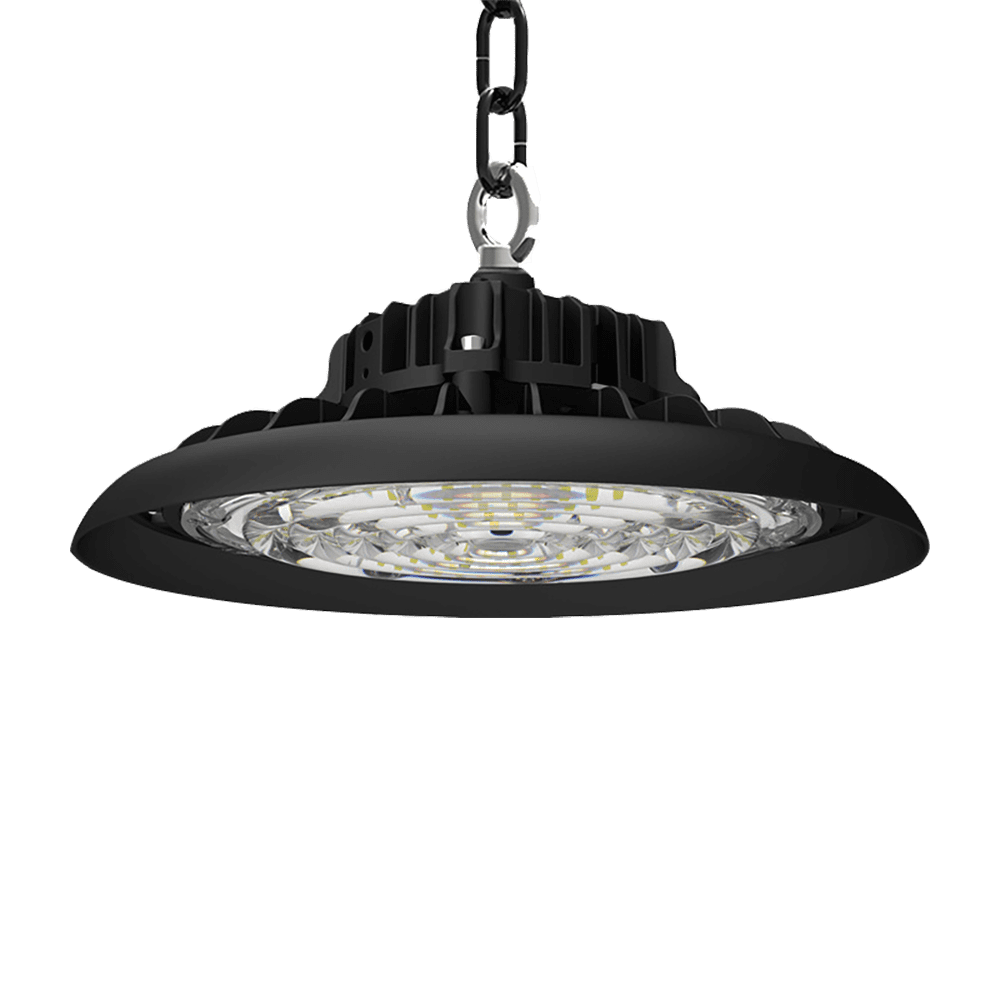
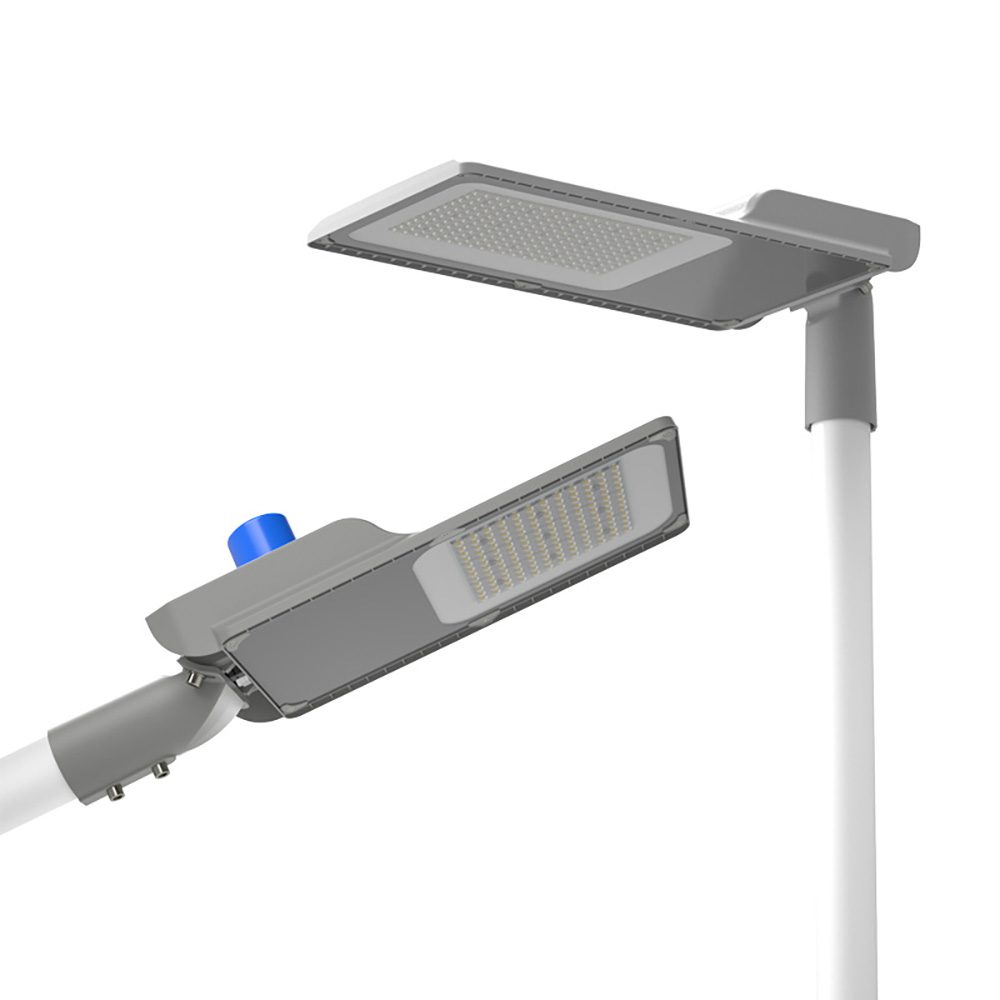
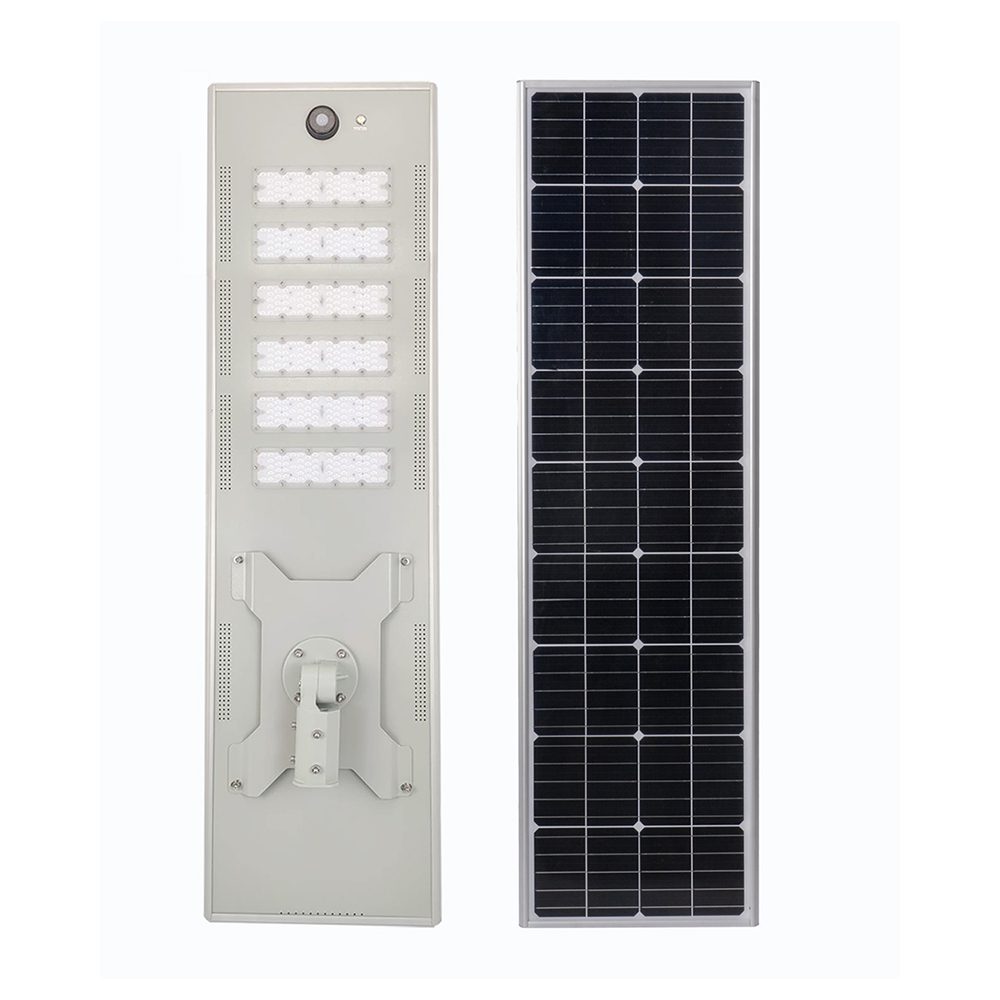

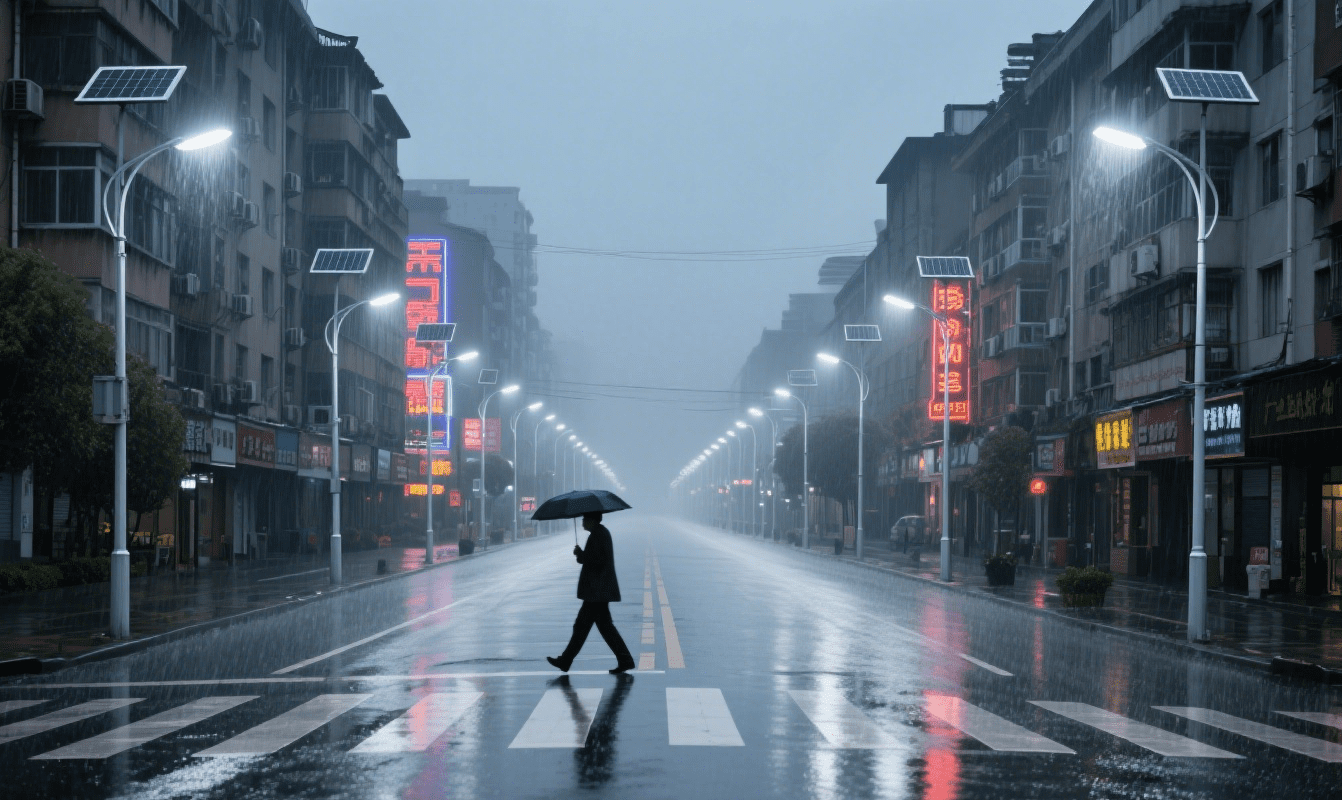
When choosing outdoor lighting products such as LED street lights, flood lights, stadium lights, or parking lot fixtures, one specification frequently mentioned by buyers is the IP rating. In many inquiries, customers directly ask: “Does your light have IP67 protection?” Sometimes, IP67 is even considered a mandatory requirement before understanding the actual application environment.
However, in real outdoor lighting projects, higher IP ratings do not always mean better or more practical solutions. For most common outdoor lighting applications, IP65 or IP66 protection is already fully sufficient. Understanding the differences between IP65, IP66, and IP67 helps buyers make more professional and cost-effective purchasing decisions.
1. What Does an IP Rating Mean?
IP stands for “Ingress Protection,” which is an international standard used to measure how well electrical equipment is protected against dust and water.
The IP code usually contains two numbers:
- The first number indicates protection against solid objects and dust.
- The second number indicates protection against water.
For outdoor LED lighting, the first digit is commonly “6,” meaning complete dust protection. The main difference between IP65, IP66, and IP67 lies in their waterproof capability.
2. Understanding the Difference Between IP65, IP66, and IP67
Although these ratings look similar, their testing standards are different.
IP65
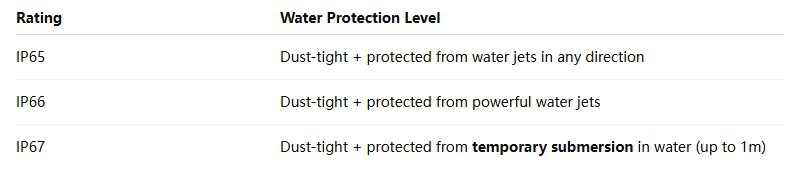
IP65 means the fixture is completely protected against dust and can resist water jets from different directions.
This level is already widely used in: LED street lights, Parking lot lighting, Flood lights, Garden lighting, Sports lighting, Commercial outdoor lighting.
For normal outdoor environments involving rain, wind, and dust exposure, IP65 is generally more than adequate.
IP66
IP66 provides stronger resistance against powerful water jets and severe weather conditions.
This rating is commonly selected for: Coastal areas, Tropical rainy regions, Ports and industrial zones ,Areas with heavy storms or frequent high-pressure cleaning.
Compared with IP65, IP66 offers enhanced waterproof reliability in harsher environments.
IP67
IP67 means the fixture can withstand temporary immersion in water under specific testing conditions.
This is important to understand: IP67 does not mean the light is designed for permanent underwater use. It only means the fixture can survive temporary submersion for a limited depth and time during testing.
IP67 is more commonly used in: Underground fixtures, In-ground landscape lighting, Some marine or special industrial environments. For standard road lighting or sports lighting projects, fixtures are installed above ground and are not expected to operate underwater. In these situations, IP67 is often unnecessary.
3. Why IP65 Is Already Enough for Most Outdoor Lighting Projects
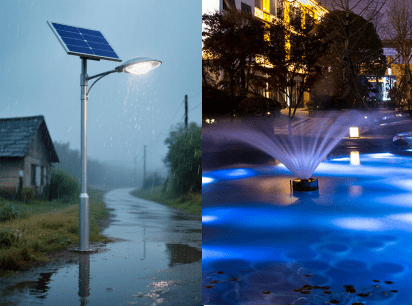
In the outdoor lighting industry, IP65 has become the mainstream standard for a reason. Most roads, parking lots, sports courts, and public lighting systems operate perfectly with IP65 protection for many years.
The key factor is understanding the actual operating environment. A street light installed at 6 to 12 meters height is exposed to: Rain、Wind、Dust、Humidity、Heat and sunlight. But it is not designed to be submerged underwater.
Similarly, flood lights used for basketball courts, parking lots, warehouses, or building facades mainly need reliable sealing against rain and environmental exposure. A properly designed IP65 fixture already provides this protection effectively.
In fact, many international municipal and commercial lighting projects still widely use IP65 fixtures because they balance:
- Waterproof reliability
- Heat dissipation performance
- Manufacturing cost
- Long-term maintenance stability
4. Waterproof Rating Is Important, But Overall Fixture Quality Matters More
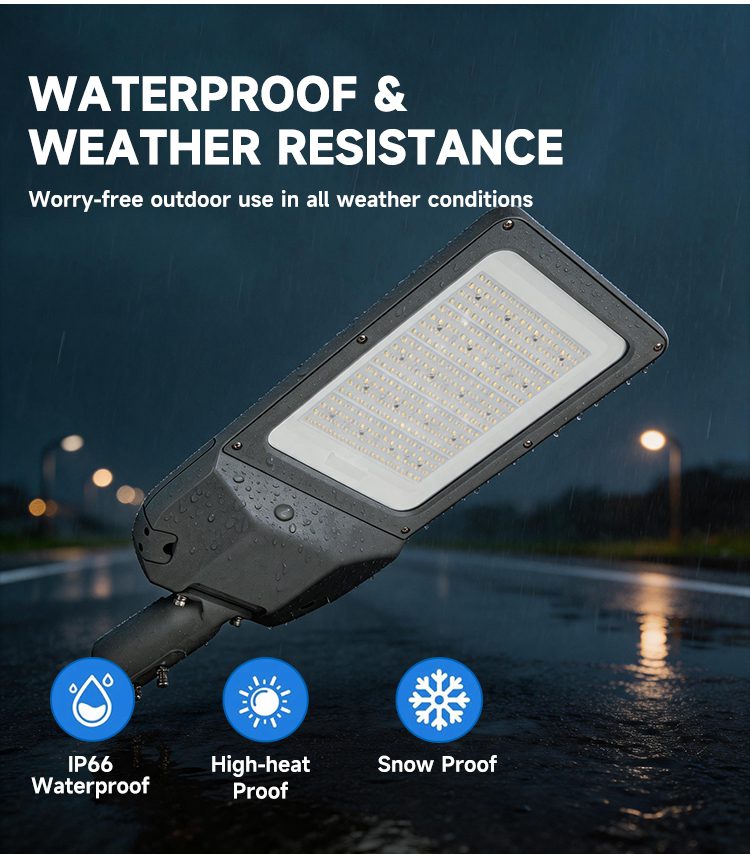
One common misunderstanding is that a higher IP rating automatically means a better lighting product. In reality, waterproof performance is only one part of overall fixture quality.
For outdoor LED lighting, factors such as heat dissipation, LED chip quality, driver stability, optical design, surge protection, and corrosion resistance are equally important for long-term reliability.
For example, outdoor LED fixtures continuously generate heat during operation. If a fixture focuses only on extremely high waterproof sealing while ignoring thermal management, excessive heat buildup may actually reduce LED lifespan and lumen maintenance over time.
This is why many professional outdoor lighting manufacturers focus on balanced structural design rather than simply pursuing the highest IP number. A well-designed IP65 or IP66 fixture with efficient heat dissipation, strong aluminum housing, and stable electrical performance may deliver much better long-term results than an ordinary IP67 fixture.
Professional buyers usually evaluate outdoor lighting products from multiple aspects, including:
- Waterproof protection
- Heat dissipation structure
- Surge protection capability
- Material durability
- Optical performance
- Driver reliability
- Long-term maintenance cost
In practical outdoor lighting applications, overall product stability always matters more than specification numbers alone.
5. Conclusion
IP65, IP66, and IP67 are all important waterproof standards in outdoor LED lighting, but the correct choice depends on the actual installation environment.
For most common outdoor lighting applications including roads, parking lots, sports venues, flood lighting, and public areas, IP65 already provides reliable and sufficient protection against rain, dust, and outdoor weather conditions. IP66 is suitable for harsher climates, while IP67 is mainly necessary for special applications involving temporary water immersion.
Choosing outdoor lighting should not focus only on the highest IP rating. A truly reliable lighting solution comes from balanced product design, including waterproof performance, heat dissipation, structural quality, and long-term durability.
Understanding these differences helps buyers make more professional decisions and select lighting products that are practical, reliable, and cost-effective for real-world outdoor applications.