

In the current lighting market, SMD and COB are two mainstream LED packaging technologies, widely used in home lighting, commercial lighting, engineering lamps and display lighting. Their significant differences in packaging processes and luminous characteristics directly determine the light effect, service life and applicable scenarios of lamps, serving as core references for industry selection and product iteration.
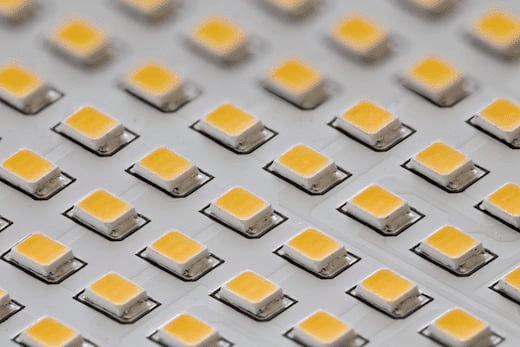
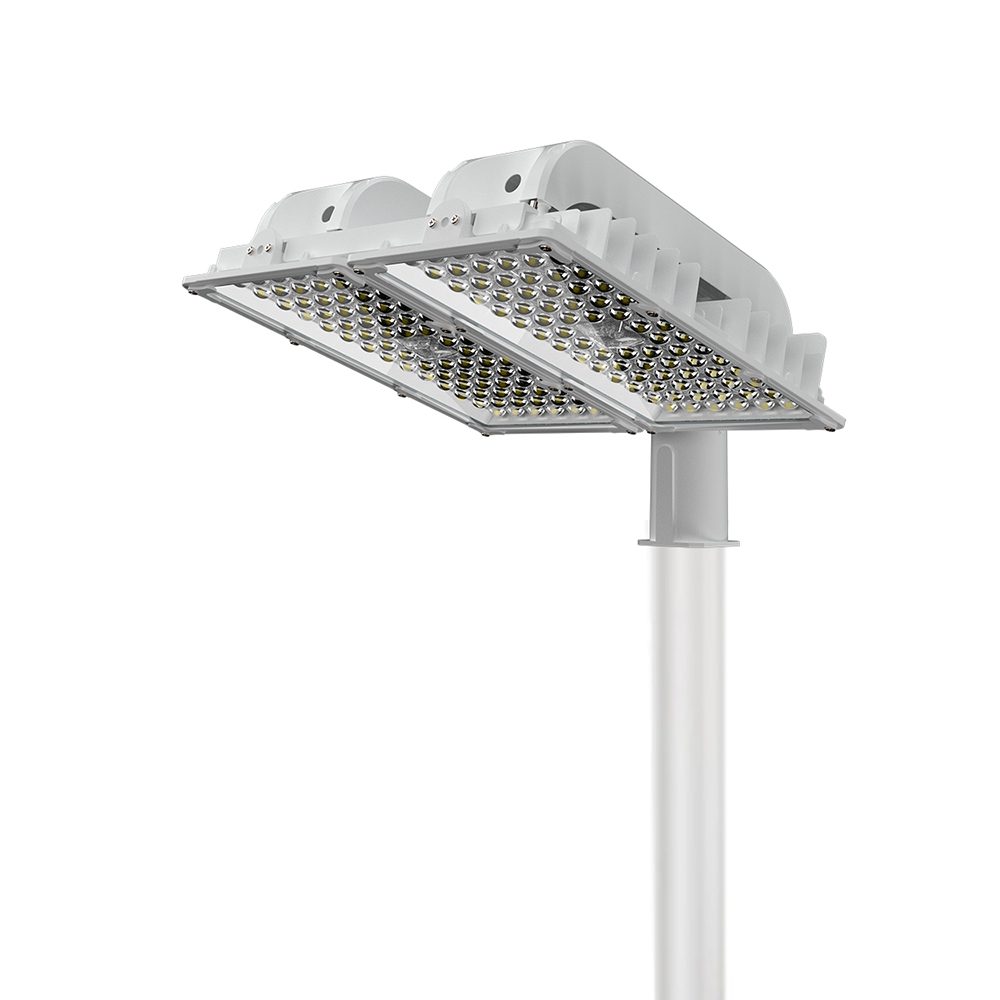
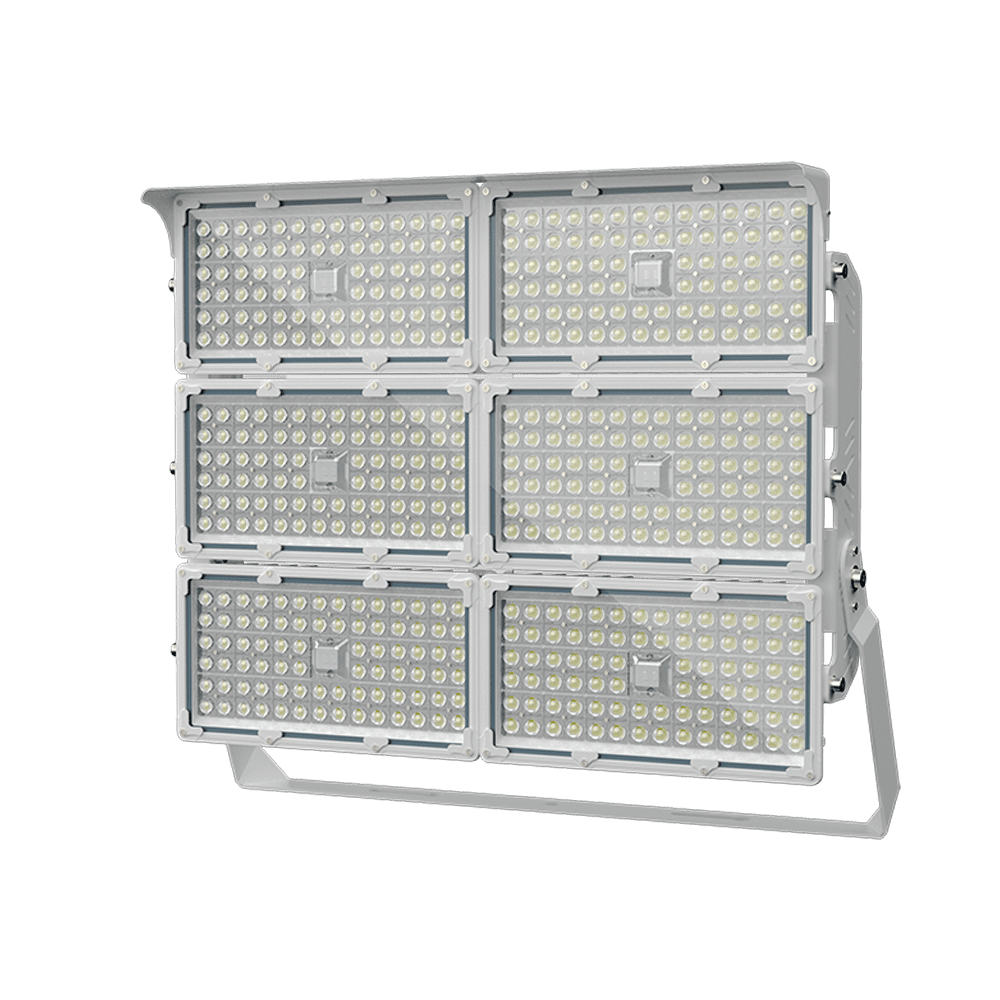
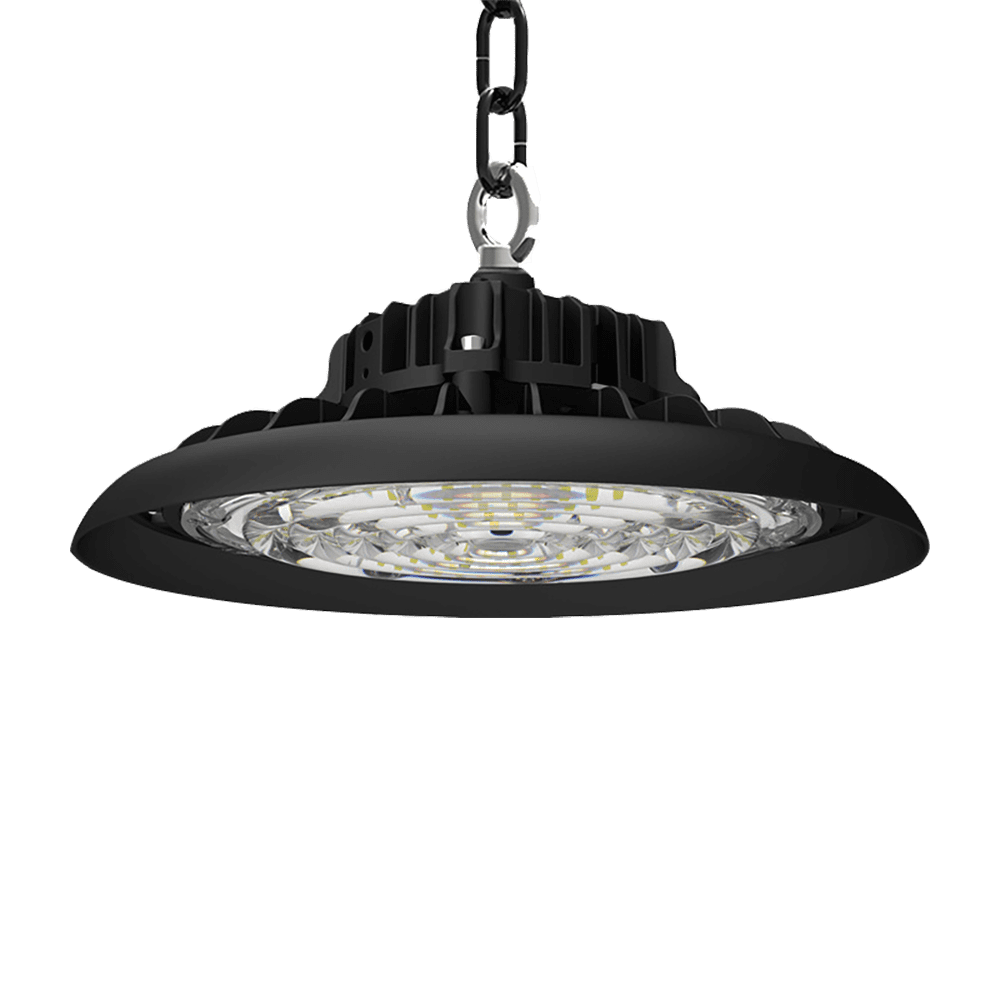
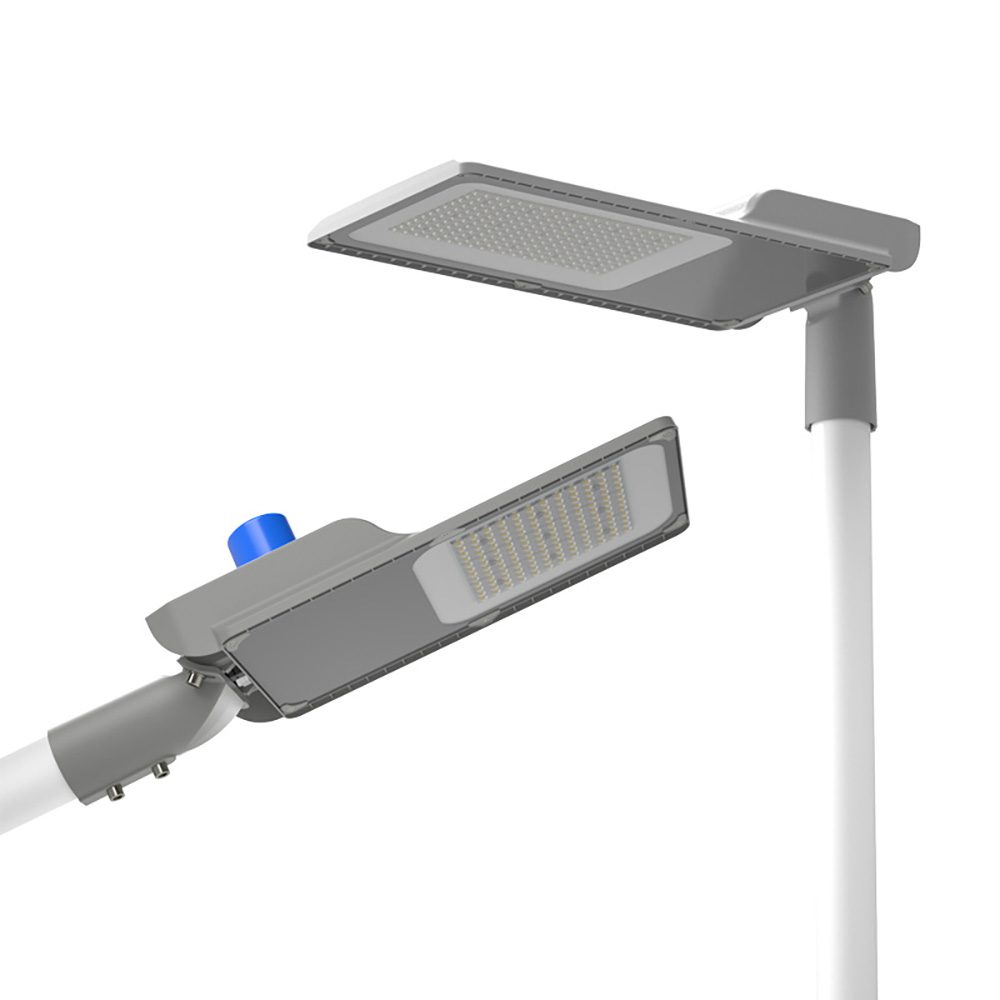
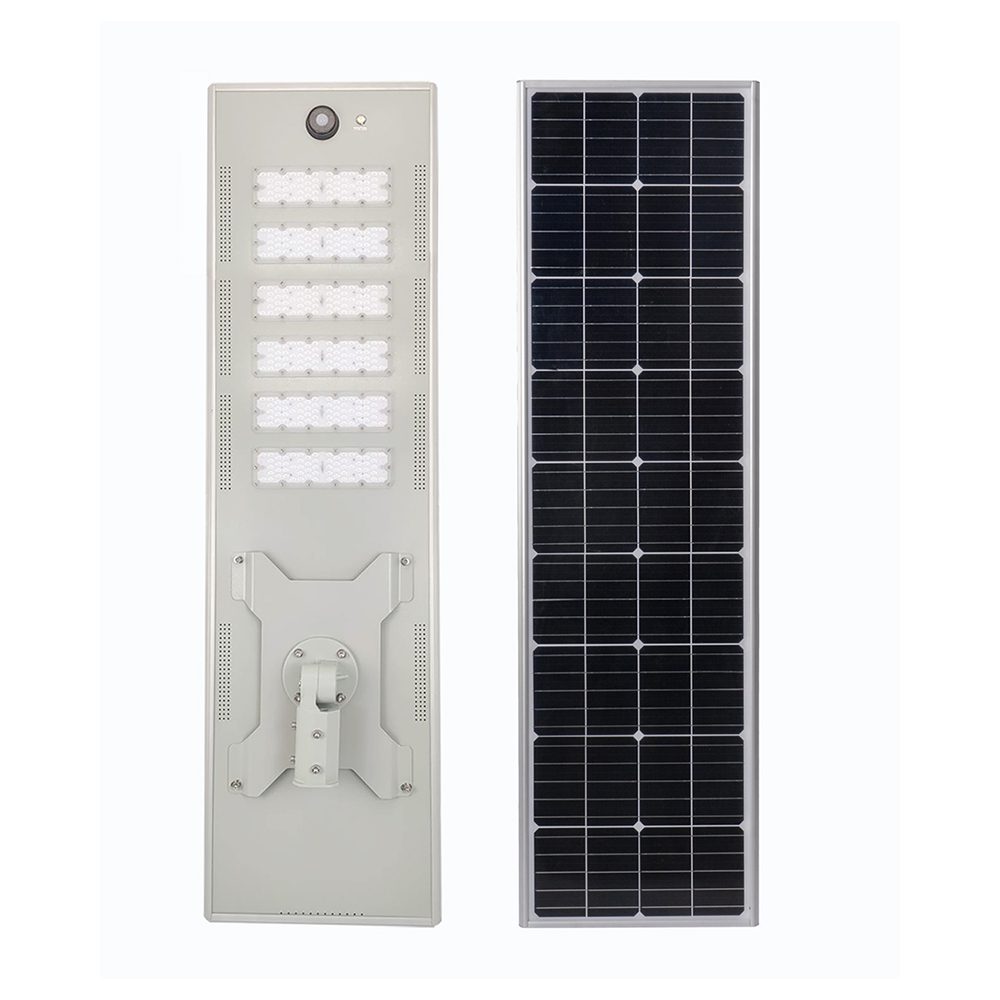
SMD (Surface Mount Device) is a traditional mainstream packaging technology. Independent LED beads are mounted on the substrate at intervals to form discrete point light sources. It features mature technology, low mass production cost and stable luminous efficiency up to 227lm/W, suitable for large-scale production. With flexible styles and convenient maintenance, single damaged beads can be replaced separately with low long-term operation costs. However, it has obvious drawbacks, including granular light spots and shadow gaps, poor close-range visual effect, and weak protection due to exposed beads that are prone to dust accumulation, moisture and collision damage.
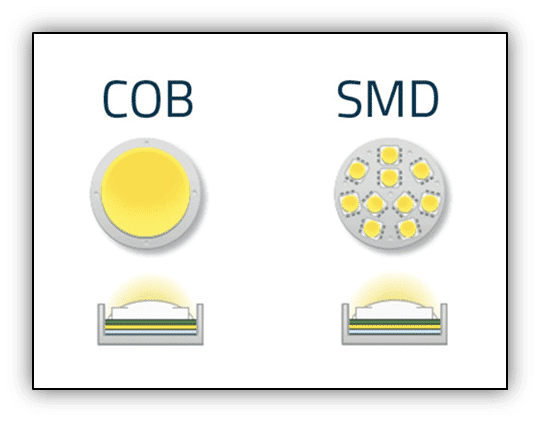
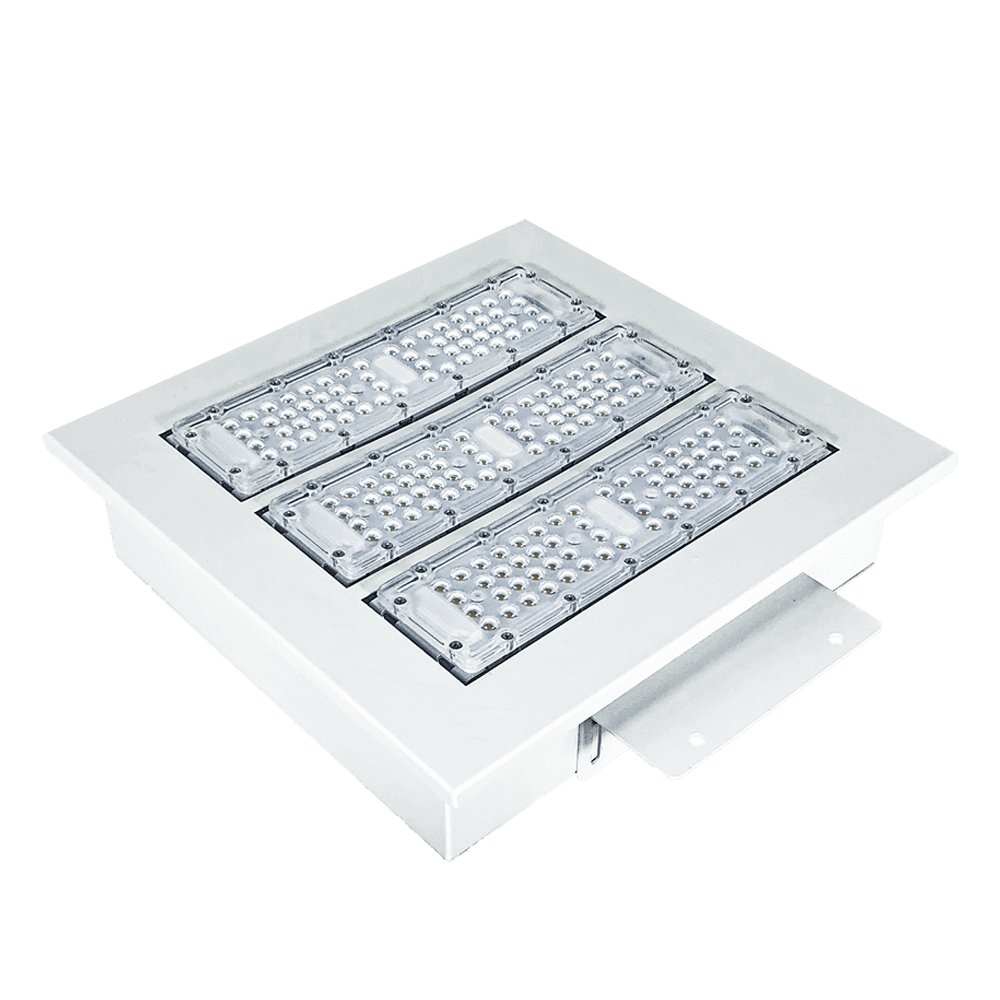
COB (Chip on Board) integrates multiple LED chips directly on the substrate with integral colloid curing to form an integrated surface light source. Compared with SMD, COB delivers uniform and delicate light without granularity and stroboscopic flicker, higher color rendering index and softer eye-friendly light. Its integral sealed structure achieves IP65 protection level with excellent waterproof, scratch-resistant and anti-static performance, ensuring higher reliability and longer service life. Meanwhile, COB has simplified packaging processes and higher efficiency with better luminous area utilization. Its main disadvantages are higher overall cost, integral failure risk leading to higher maintenance cost, and slightly lower energy efficiency in ultra-high brightness scenarios.
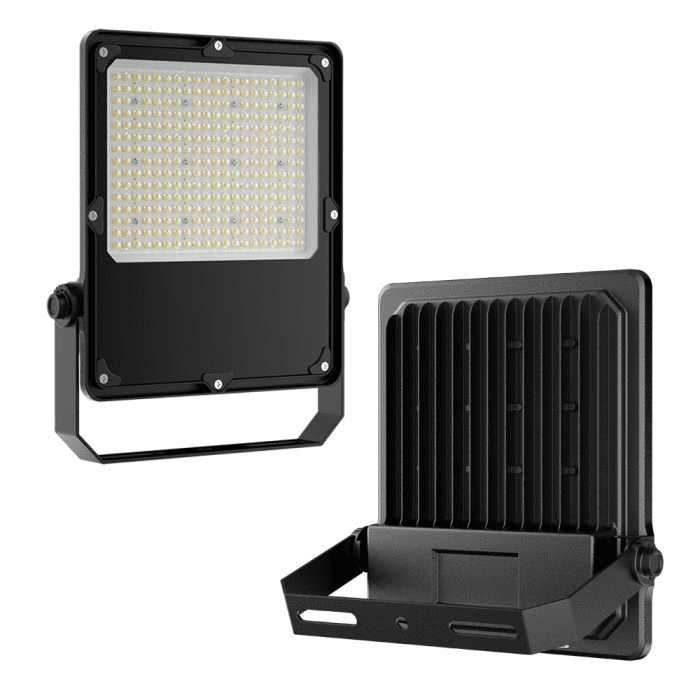
In terms of industrial application, the two technologies have their own positioning. SMD dominates the mass market of ordinary home lighting, outdoor lighting and conventional engineering lamps with high cost performance. COB is widely applied in high-end commercial lighting, museum display lighting, luxury home lighting, film and television fill light and other scenarios requiring strict light texture, stability and protection. Industry insiders state that neither technology is absolutely superior. They will coexist for a long time, and scenario-based precise selection will become the mainstream trend of the industry.