

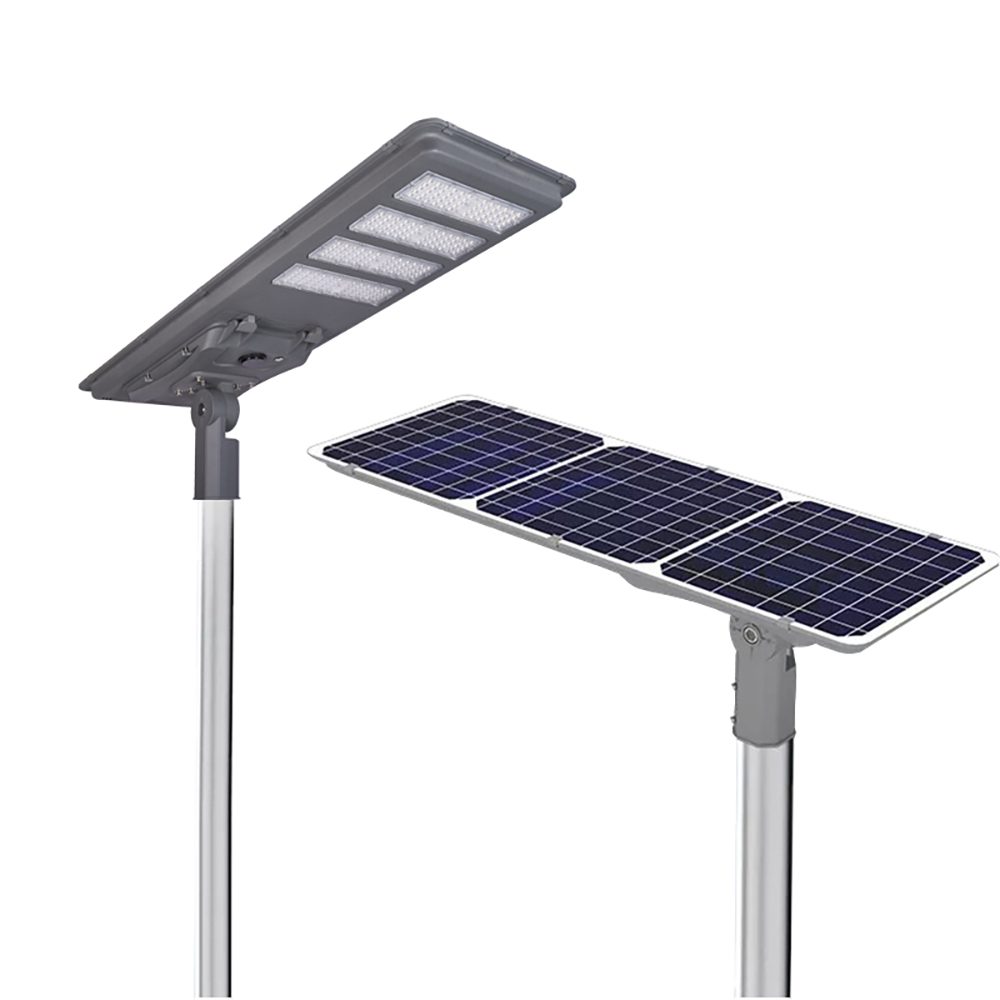
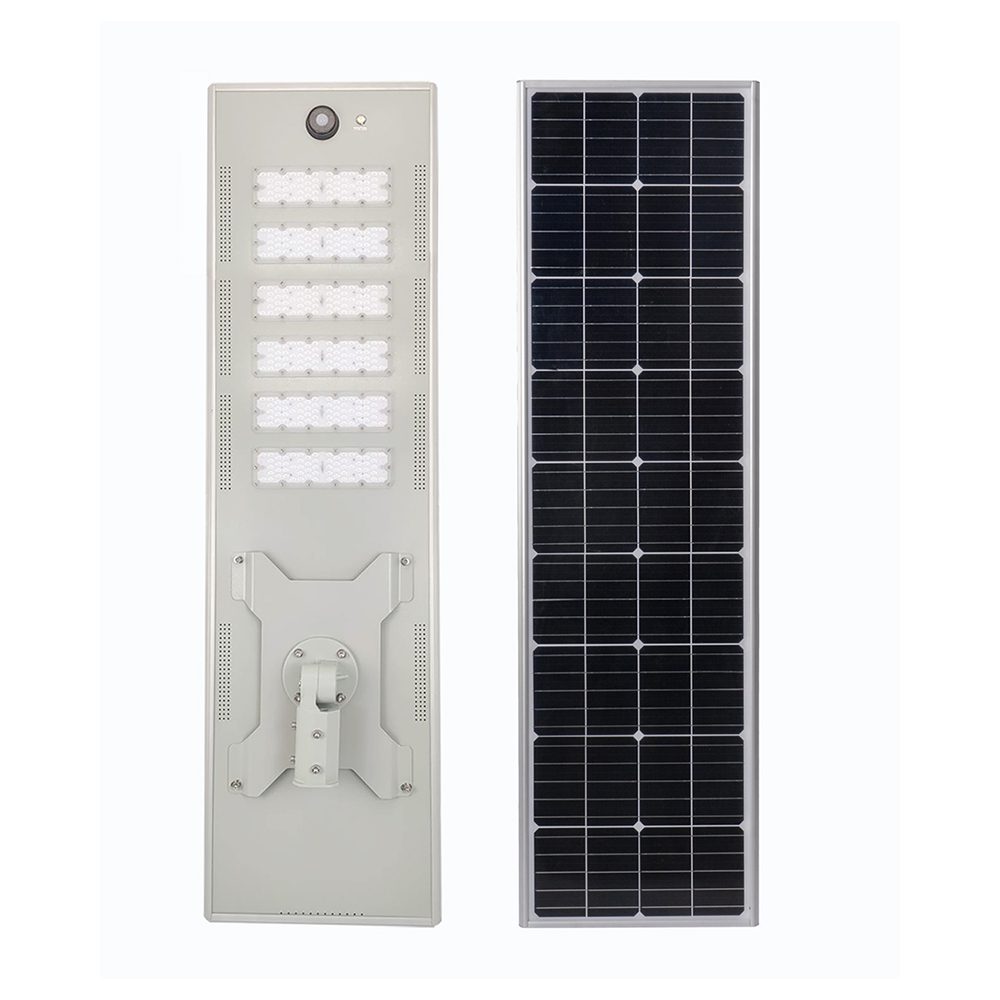

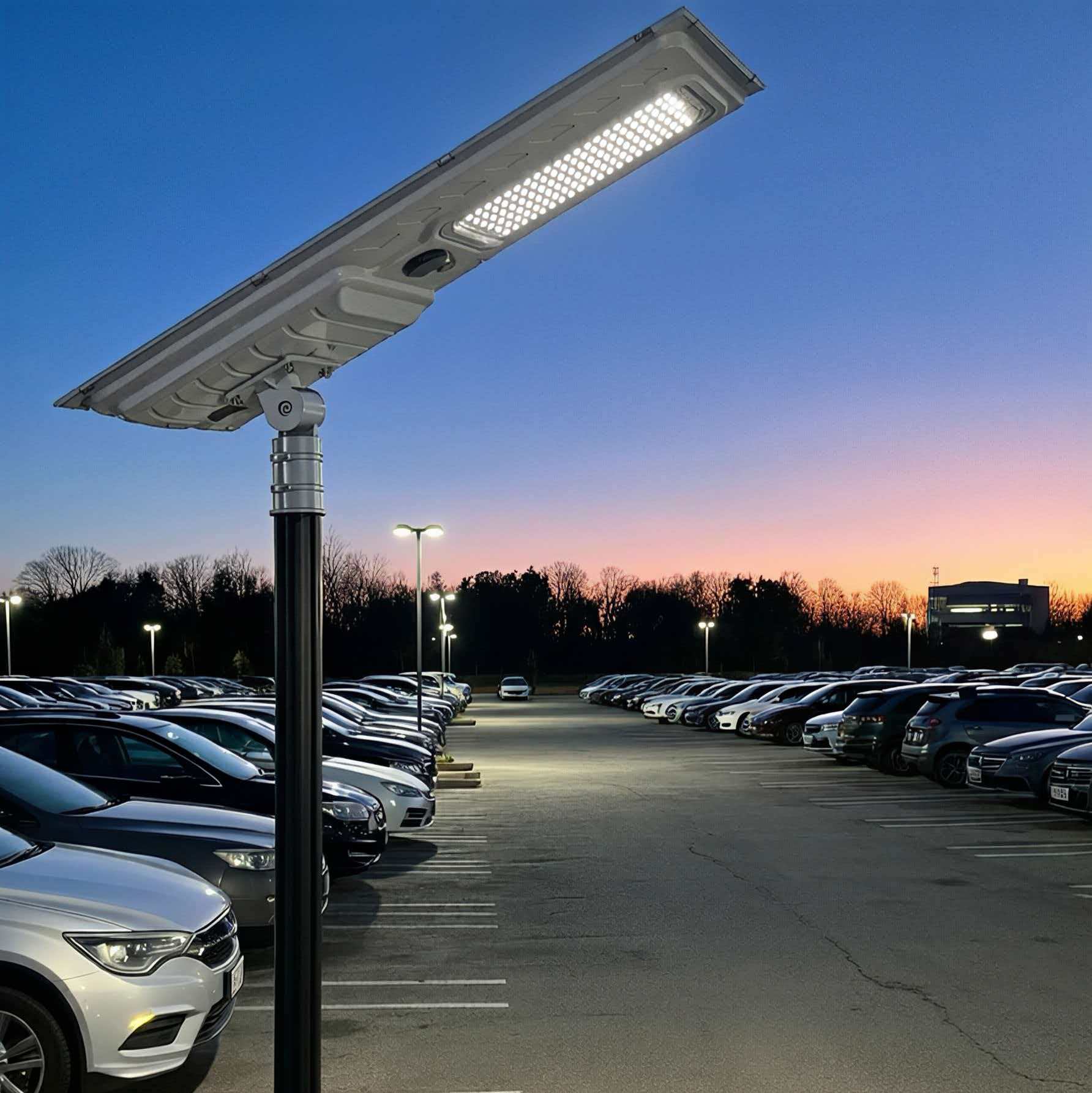
The solar street lighting market has been rapidly growing due to the increasing demand for energy-efficient, sustainable, and cost-effective outdoor lighting solutions. Among the various components of a solar street light system, the battery plays a crucial role in ensuring reliable performance and longevity. In recent years, lithium batteries have emerged as the preferred choice for solar street lights, replacing traditional lead-acid batteries. In this article, we will explore the advantages of lithium batteries in solar street lights and the key aspects to consider when selecting a solar light with a lithium battery.
1. The Shift to Lithium Batteries in Solar Street Lighting
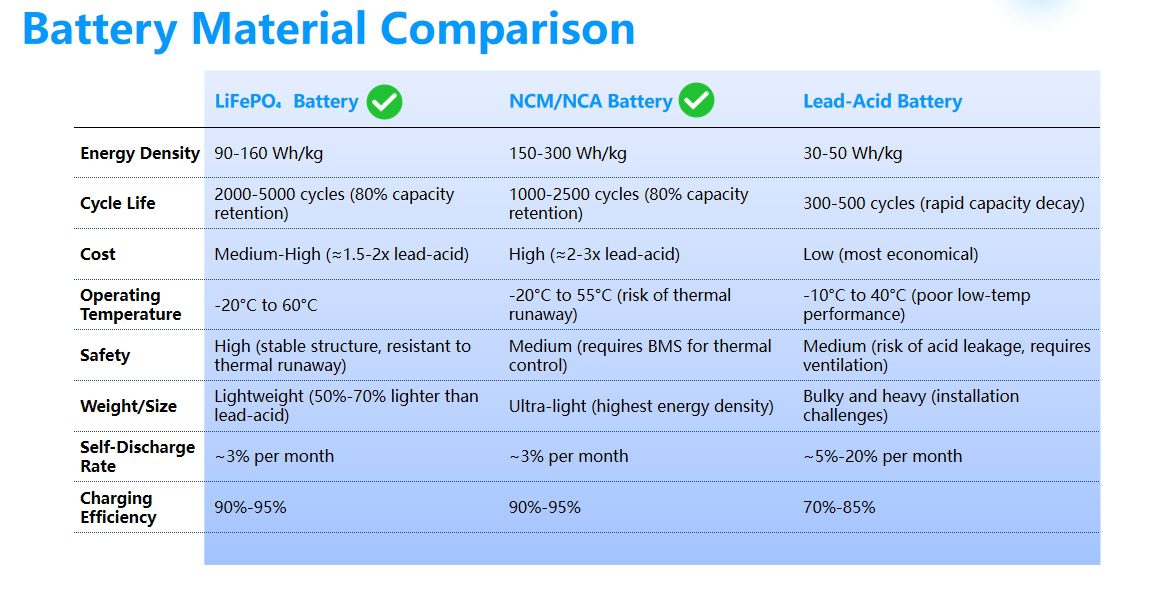
Historically, solar streetlights utilized lead-acid batteries, which were affordable but subject to several limitations. These batteries were heavy, had a short lifespan, and required frequent maintenance. As the demand for higher-performance and more durable solar lighting systems grew, NCM/NCA batteries emerged; however, their cost was prohibitively high. Today, thanks to their numerous advantages, lithium batteries are widely regarded as the optimal choice for solar streetlight applications.
2. Advantages of Lithium Batteries in Solar Street Lights
2.1 Longer Lifespan
One of the biggest advantages of lithium batteries is their extended lifespan. While lead-acid batteries typically last for around 2-3 years, lithium batteries can last up to 8-10 years or even longer, depending on the quality and usage conditions. This extended lifespan not only reduces the frequency of replacement but also lowers the overall maintenance cost of the solar street light system.
2.2 Higher Efficiency and Faster Charging
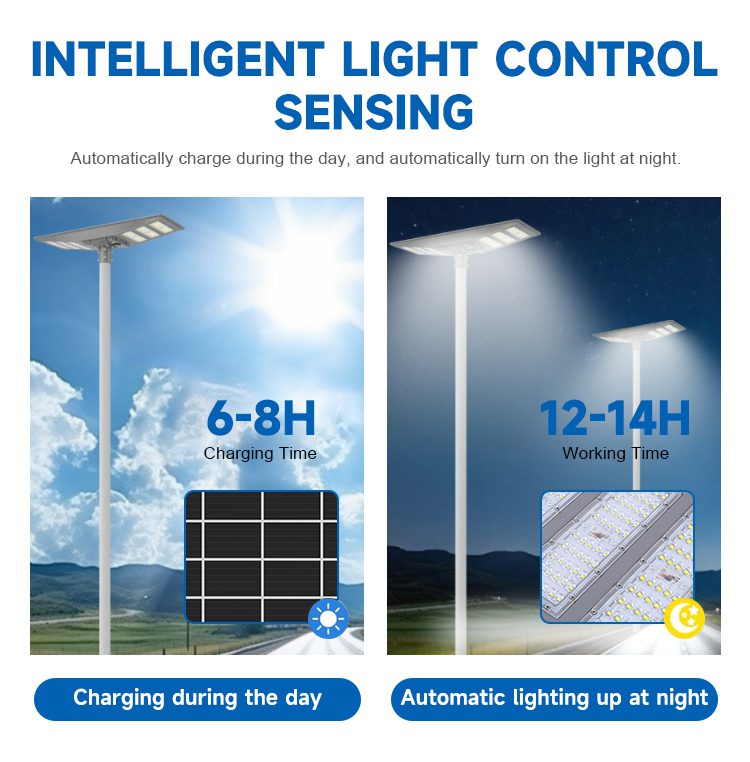
Lithium batteries are more efficient than lead-acid batteries in terms of both charging speed and energy storage capacity. Lithium batteries can be charged much faster and hold more charge in less space, making them ideal for solar applications where space is limited. This means that solar street lights equipped with lithium batteries can charge more quickly during the day and continue to provide reliable lighting throughout the night.
2.3 Lightweight and Compact
Lithium batteries are significantly lighter and more compact compared to lead-acid batteries. This is especially important in solar street lights, where the battery needs to be housed in a compact enclosure to minimize space and ensure ease of installation. The reduced weight of lithium batteries also means that the overall installation process becomes simpler and more cost-effective, especially for large-scale projects.
2.4 Better Performance in Extreme Temperatures

Another significant advantage of lithium batteries is their ability to perform well in extreme temperatures, both hot and cold. Lead-acid batteries tend to suffer from a decrease in performance in extreme temperatures, whereas lithium batteries maintain stable performance over a wider temperature range. This makes lithium batteries especially suitable for solar street lights in areas with harsh weather conditions, such as deserts, coastal regions, and cold climates.
2.5 Improved Depth of Discharge (DoD)
Lithium batteries have a higher depth of discharge (DoD) compared to lead-acid batteries. This means that lithium batteries can be discharged more fully without damaging the battery. In practical terms, this results in a larger usable capacity, allowing solar street lights to operate more efficiently, even on cloudy days or in areas with limited sunlight.
3. What to Consider When Choosing a Solar Street Light with Lithium Battery
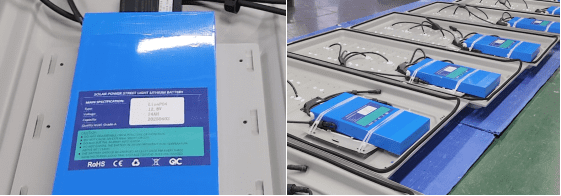
When selecting a solar street light equipped with a lithium battery, there are several important factors to consider to ensure that the system will meet your needs and provide long-lasting performance:
3.1 Battery Capacity
The capacity of the battery determines how long the light can run on a full charge. When choosing a solar street light, it’s important to match the battery capacity with the lighting needs and the location where the light will be installed. For example, areas with longer nights or low sunlight will require a larger battery capacity to ensure the light stays on throughout the night.
3.2 Battery Management System (BMS)
A Battery Management System (BMS) is essential for protecting the lithium battery from overcharging, deep discharging, and overheating. The BMS ensures that the battery operates within safe parameters, extends its lifespan, and improves safety. When selecting a solar street light with a lithium battery, make sure the system includes a reliable BMS for optimal performance.
3.3 Charging and Discharging Cycles
The number of charging and discharging cycles a lithium battery can undergo is a key indicator of its lifespan. High-quality lithium batteries typically offer more than 2,000 charge cycles, while lower-quality options may provide fewer cycles. Be sure to check the cycle life of the battery when choosing a solar street light to ensure long-term reliability.
3.4 Quality and Certification
The quality of the lithium battery is crucial for the overall performance of the solar street light. Always choose solar street lights that use high-quality, certified lithium batteries from reputable manufacturers. Look for CE, UL, or RoHS certifications, which ensure that the battery meets international safety and quality standards.
3.5 Temperature Range
As mentioned earlier, lithium batteries perform better in extreme temperatures compared to lead-acid batteries. However, not all lithium batteries are created equal. Be sure to check the temperature range in which the battery is rated to operate effectively. This is especially important for installations in areas with extreme seasonal temperature fluctuations.
4. Conclusion
Lithium batteries are revolutionizing the solar street lighting industry, offering numerous advantages over traditional lead-acid batteries. Their long lifespan, high efficiency, compact size, and better performance in extreme conditions make them the preferred choice for modern solar street light systems. When selecting a solar street light with a lithium battery, it is important to consider factors such as battery capacity, BMS, cycle life, and quality to ensure optimal performance and long-term reliability.
As the market continues to grow, the shift toward lithium batteries in solar street lighting will only increase, helping cities and communities around the world move toward more sustainable, efficient, and cost-effective lighting solutions.