
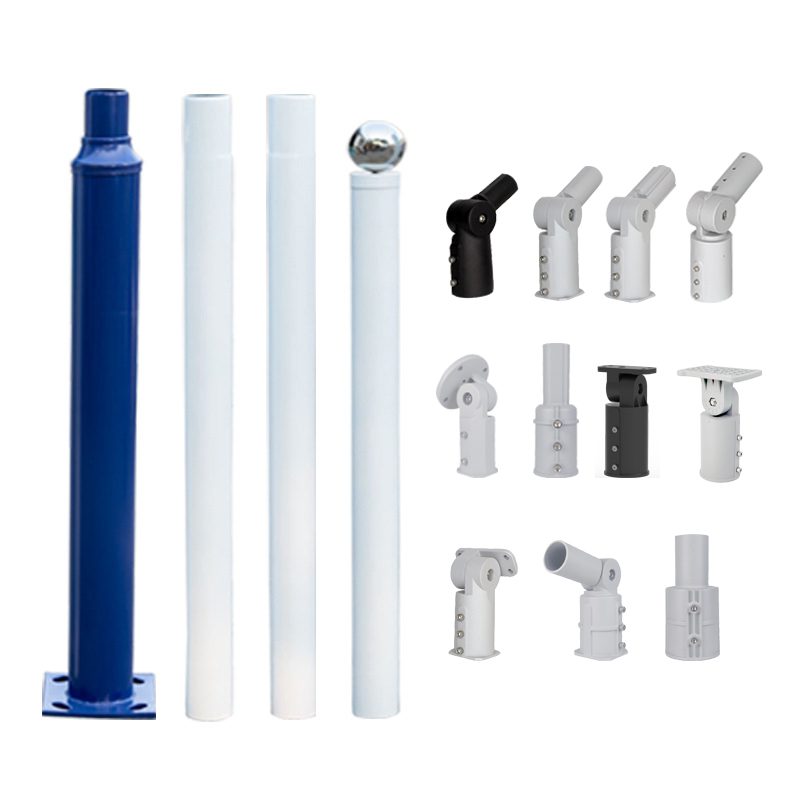
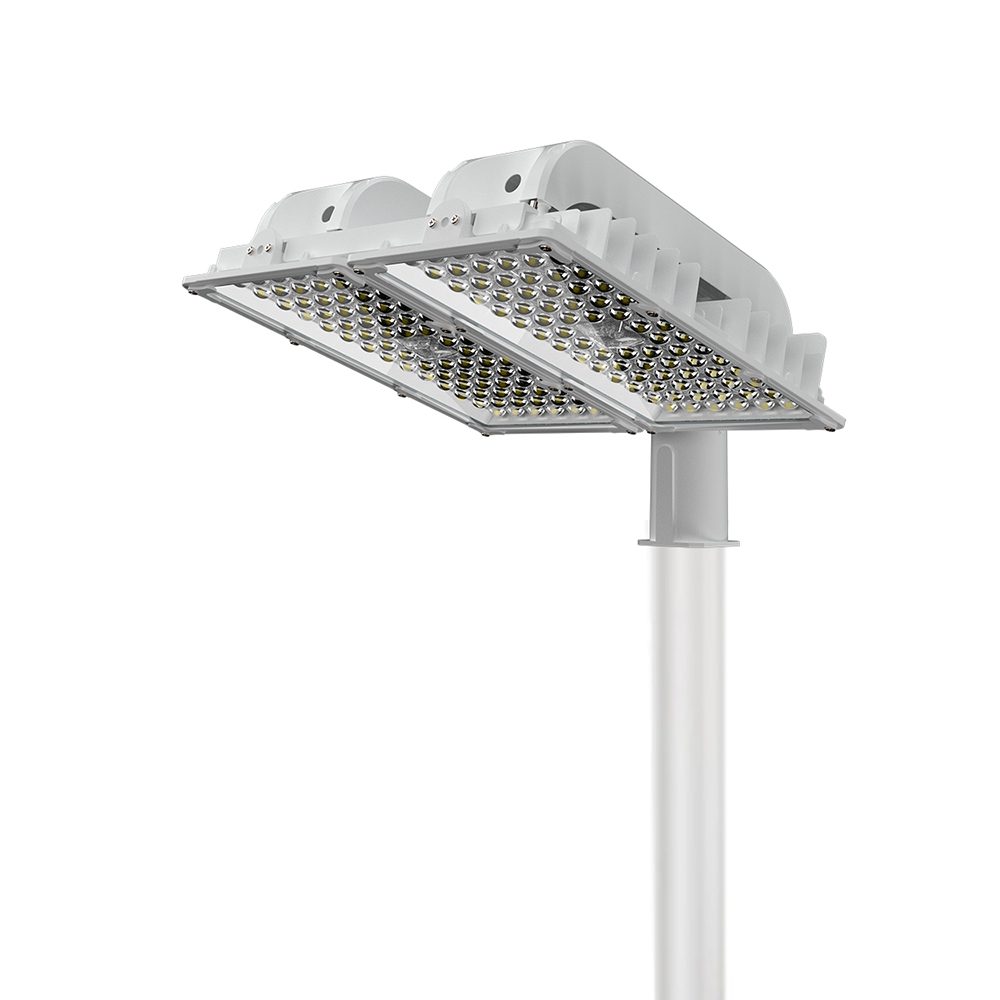
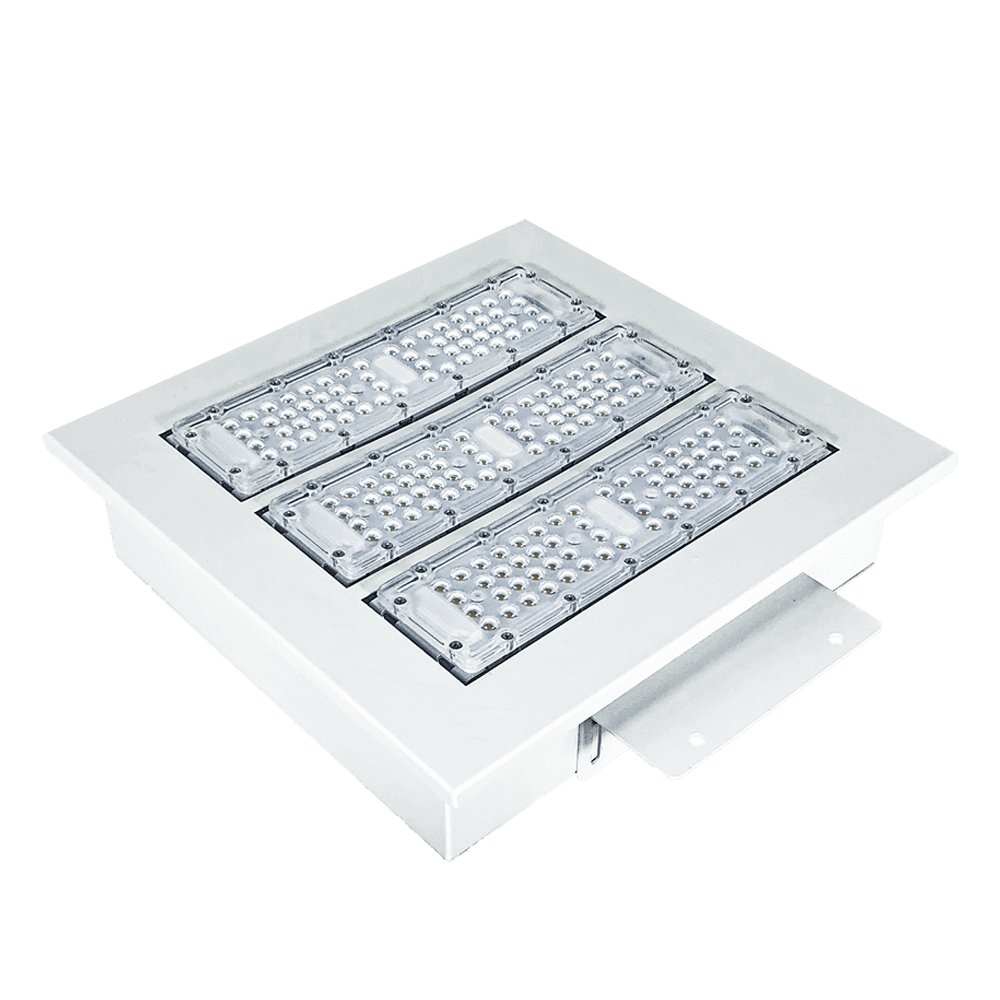
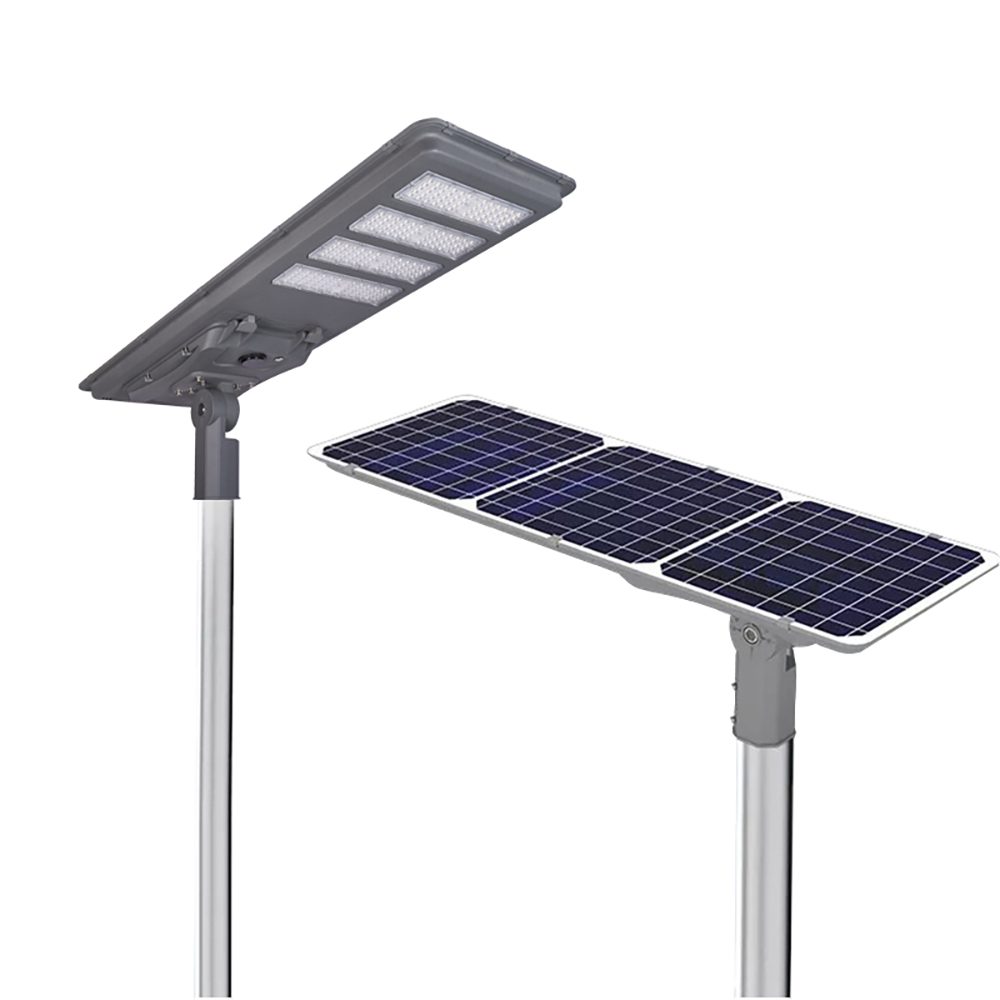
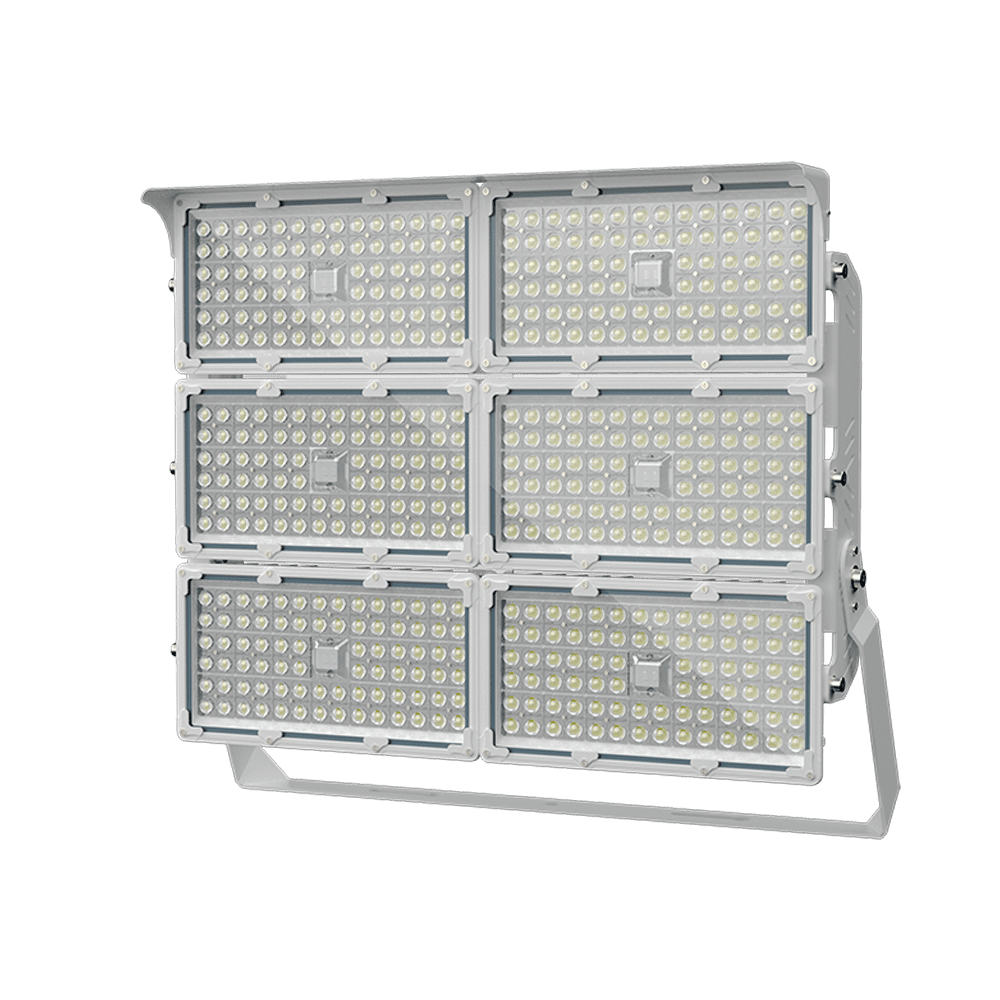
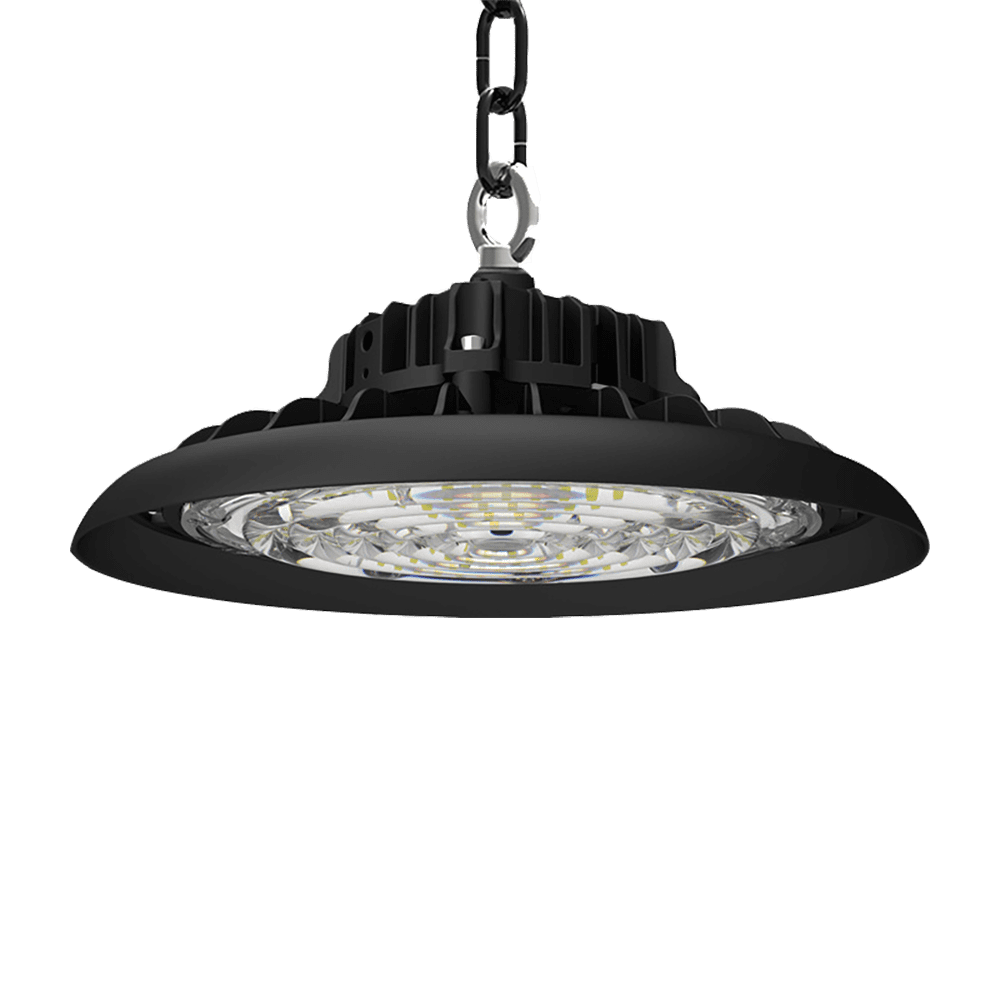
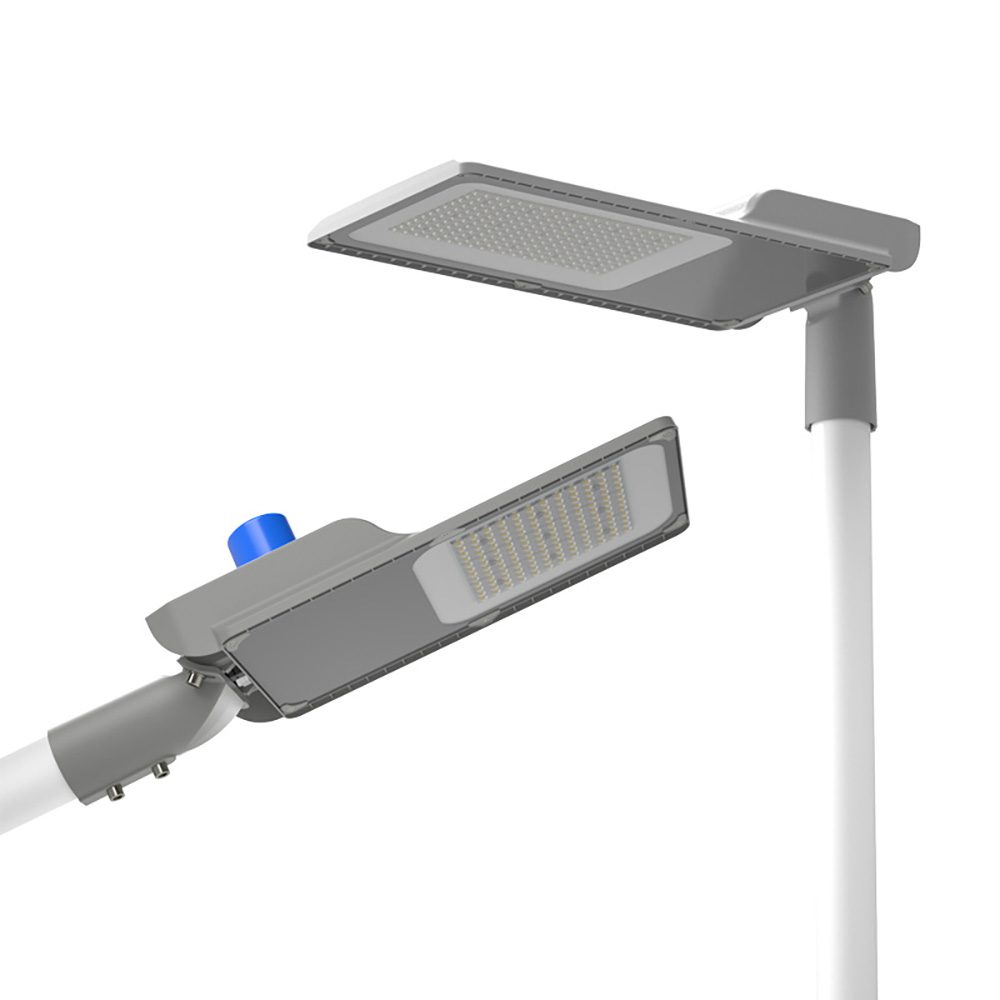
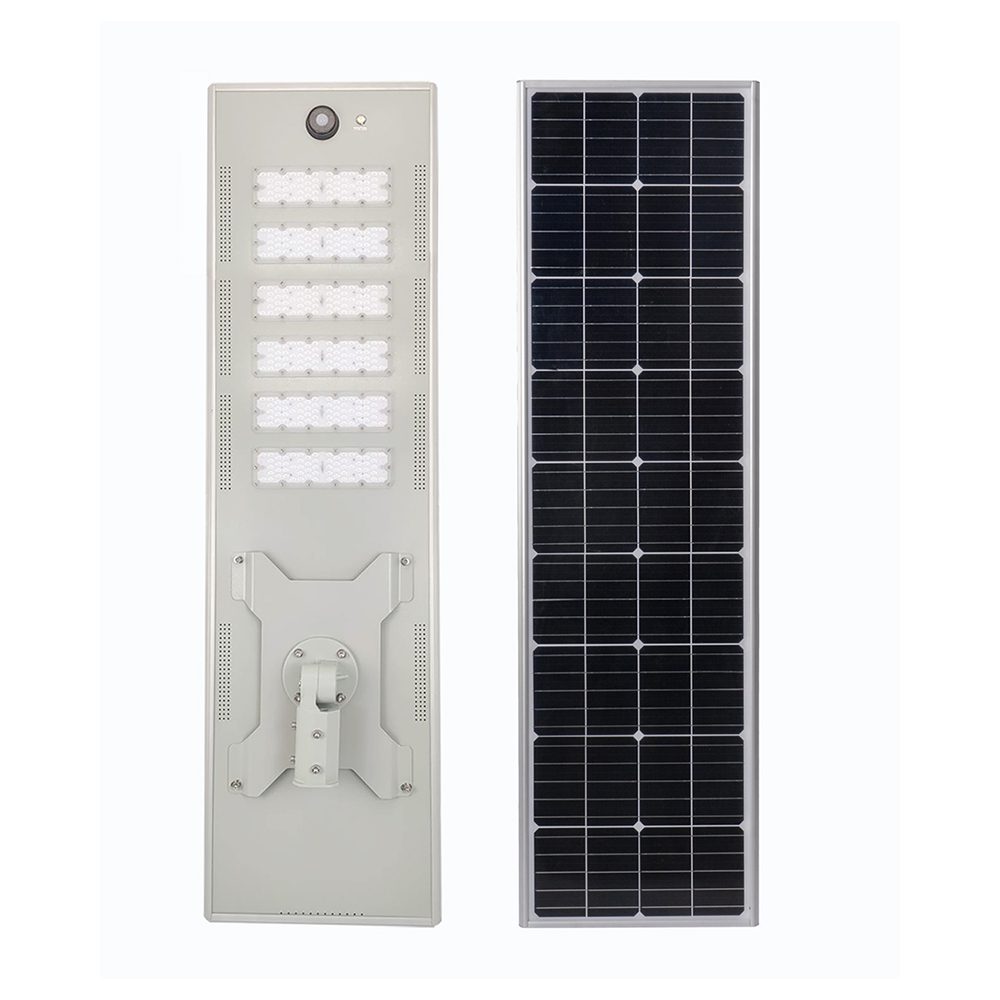

Floodlights, as core equipment for outdoor lighting and engineering illumination, are widely used in building facades, plazas, parks, billboards and other scenarios. Their installation quality directly affects lighting performance, service life and electrical safety, and is also a kelink to ensure the compliance of lighting projects. To standardize industry construction standards and avoid potential safety hazards, the standardized installation procedures and core safety precautions of floodlights are sorted out below for reference by engineering parties, construction personnel and relevant practitioners.
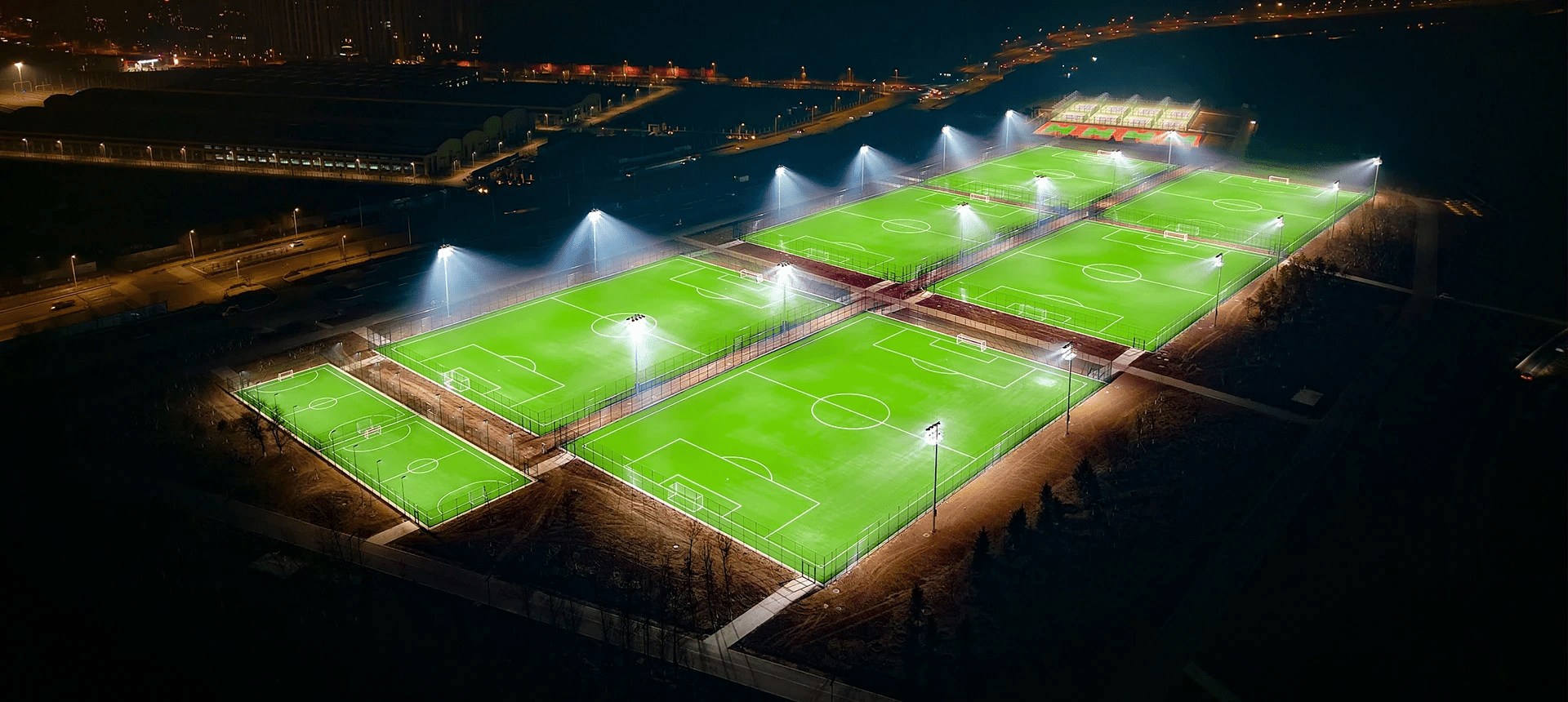
1. Precise Positioning & Preparation, Lay a Solid Foundation for Construction
Before installation, strictly follow the lighting design plan to accurately determine the lamp installation position, ensure that the light can fully cover the target area, and reserve sufficient heat dissipation space, away from flammables, water accumulation areas and collision-prone positions, so as to eliminate hidden dangers such as high-temperature fire and water short circuit from the source. At the same time, prepare construction tools and consumables, including electric drills, levels, expansion bolts, waterproof connectors, insulating tape, etc. For outdoor high-altitude operations, safety protection equipment such as safety belts and non-slip shoes must also be equipped to ensure construction safety.
2. Secure Mounting Base to Ensure Structural Stability
Drill accurately at the marked installation points, insert expansion bolts, fit the floodlight base smoothly to the wall, bracket or embedded parts, and tighten and fix it with tools to ensure that the base is level, stable in load-bearing, and free from looseness and shaking. It should be specially noted that anti-falling measures must be taken during high-altitude installation. Construction personnel should fasten their safety belts to avoid high-altitude falls, and ensure that the installation structure can bear the weight of the lamp to prevent the risk of falling off in the later period.
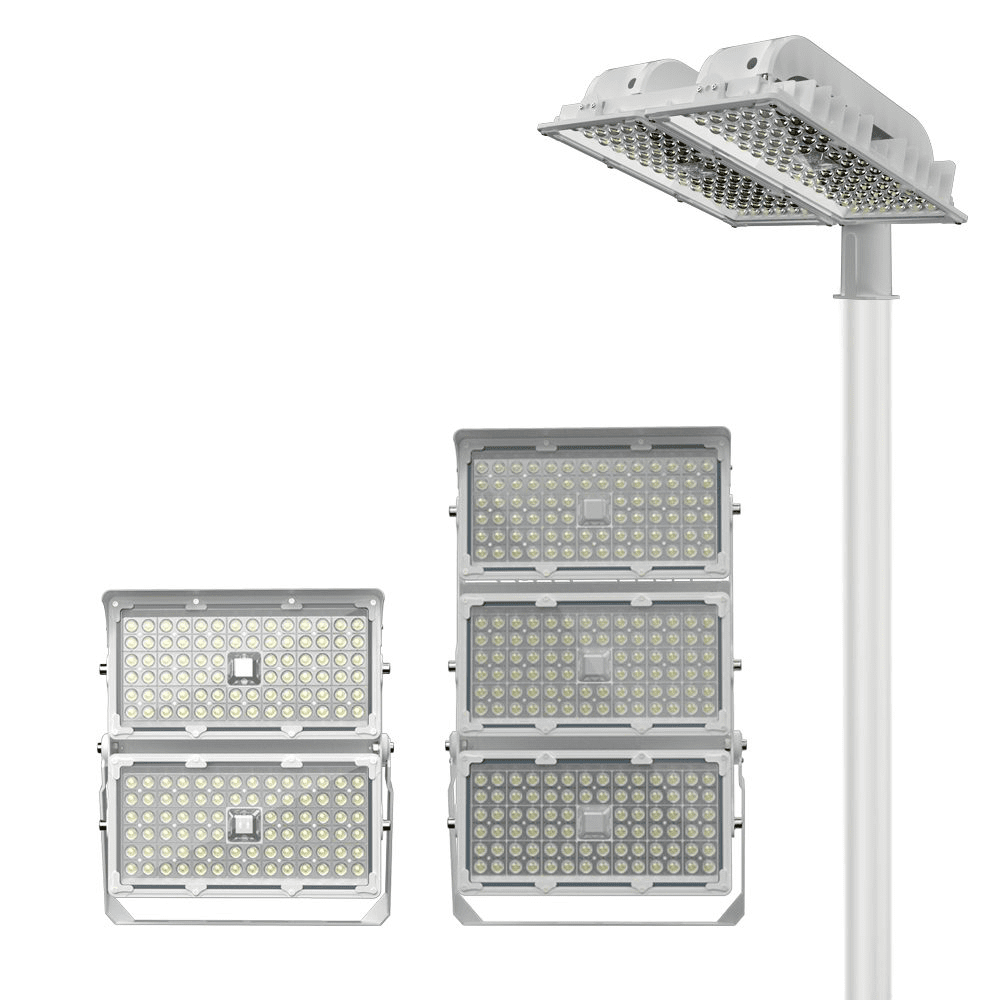
3. Standardized Electrical Connection to Keep the Safety Bottom Line
Power-off operation is the core premise of electrical connection. Before construction, the power supply of the corresponding area must be cut off, and operation can only be carried out after confirming that there is no electricity. When wiring, clearly distinguish the live wire, neutral wire and ground wire, strictly wire according to the lamp specifications and instructions, seal the interface with waterproof terminals, and wrap insulating tape on the outer layer to do double protection. Among them, the ground wire must be reliably connected to eliminate the hidden danger of electric leakage; the wires installed outdoors must also be waterproof and anti-aging to adapt to the complex outdoor environment.
4. Fixture Assembly & Angle Adjustment to Optimize Lighting Effect
Accurately align the lamp body with the base, fasten it with clips or special screws to ensure close fit and no looseness. Then, according to the lighting needs, flexibly adjust the horizontal and vertical angles of the lamp body to make the light evenly cover the target area, avoiding dark areas, double images and other problems. After the angle adjustment is completed, lock the adjustment knob in time to prevent angle deviation caused by external forces during use, which affects the lighting effect.
5. Power Test & Final Acceptance to Ensure Project Qualification
After the wiring and debugging are completed, turn on the power for trial operation, check whether the lamp lights normally, and whether there are abnormal conditions such as flickering, abnormal noise and electric leakage. If problems are found, cut off the power immediately to investigate and rectify; after confirming that there is no abnormality, retighten all connecting parts, fine-tune the light angle, and further optimize the lighting effect. Finally, clean up the construction site, confirm that there are no safety hazards, and then complete the installation and delivery.
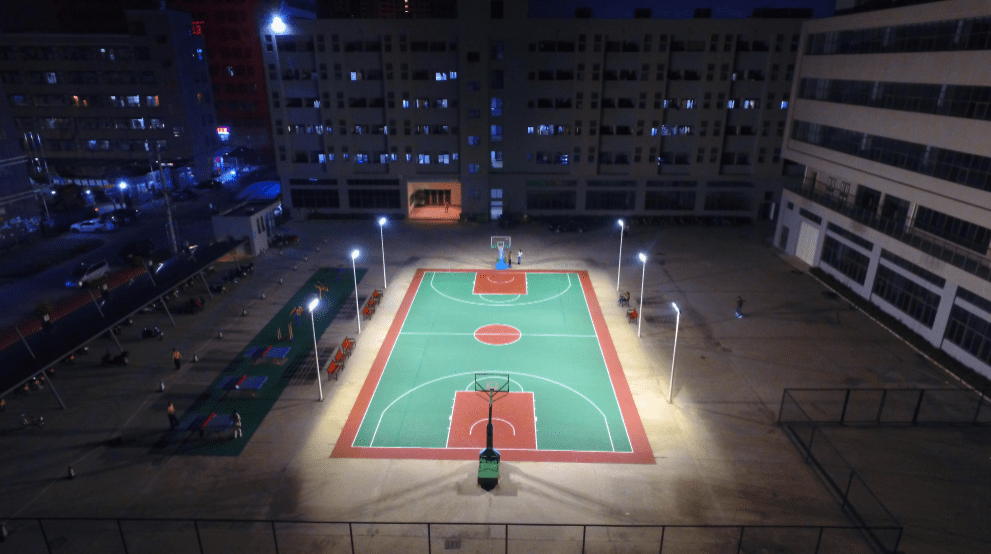
Safety Note:
Before installation, be sure to carefully read the product manual. High-voltage operations and high-altitude operations must be performed by certified electricians. Non-professional personnel are strictly prohibited from wiring and constructing without permission. Following the standardized construction process, balancing lighting effect and electrical safety, can create high-quality, safe and durable outdoor lighting projects.