



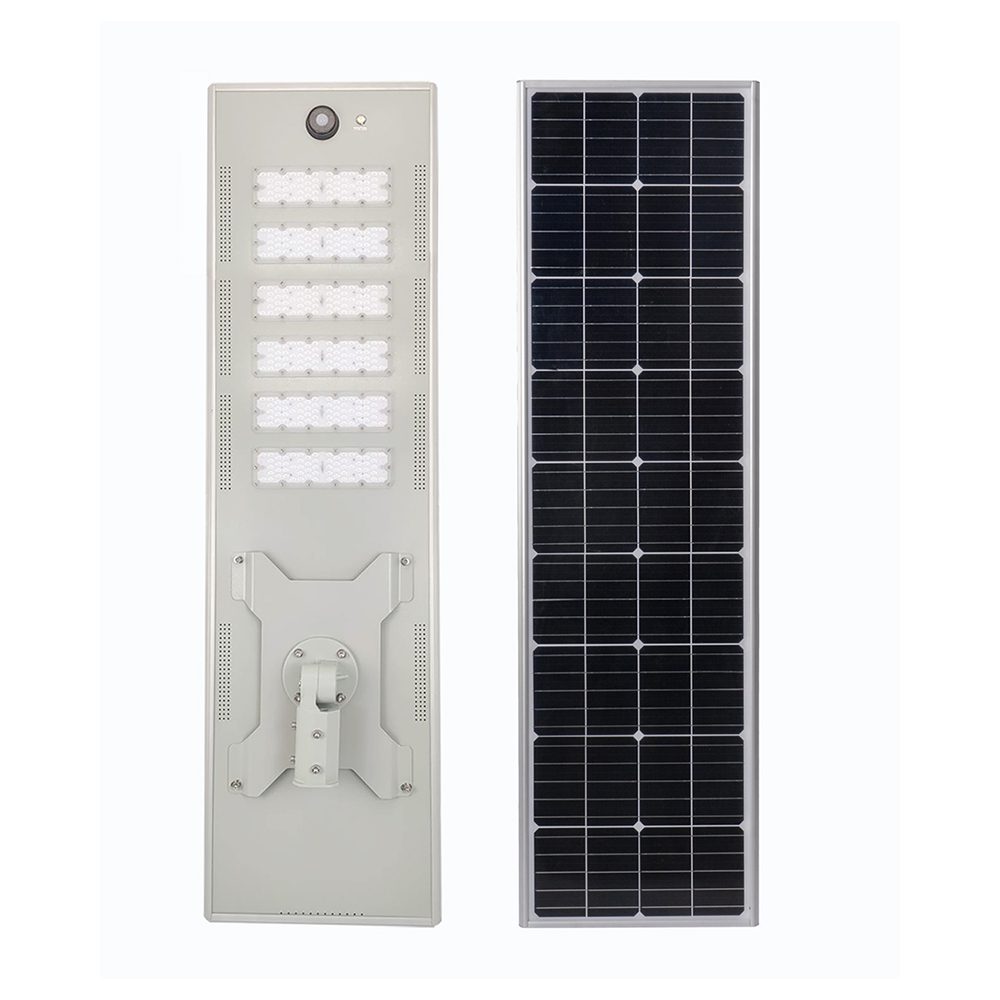

Amid the low-carbon renovation of municipal lighting, traditional pure solar street lights often fail to light up on rainy days due to insufficient sunlight, while conventional mains-powered street lights incur high long-term electricity costs. Mains complementary LED solar street lights adopt an intelligent dual-energy dispatching mode, rapidly becoming the preferred choice for lighting renovation of urban arterial roads, rainy coastal cities and park roads, thoroughly solving the inherent defects of the two traditional lamp types.
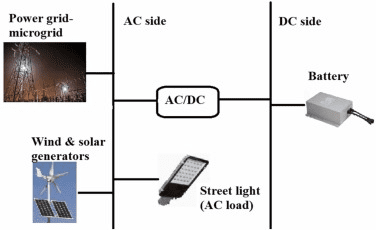
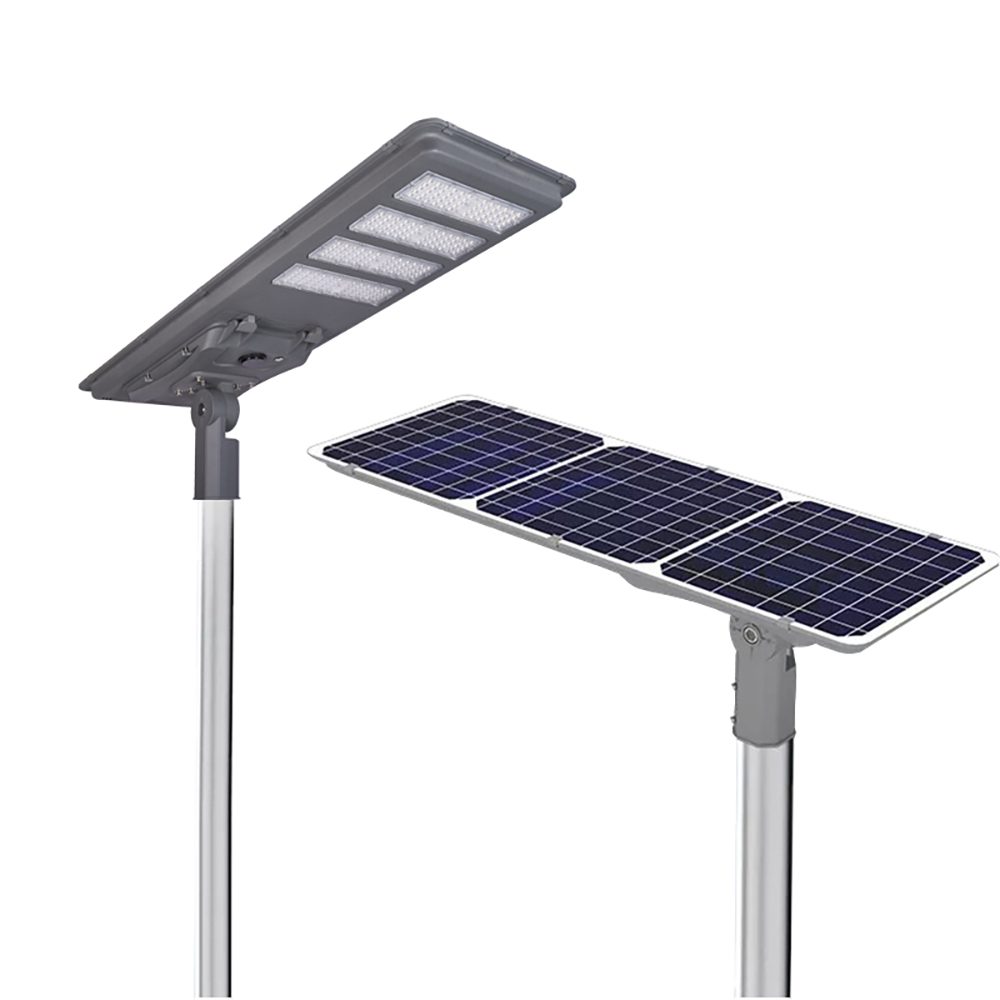
A mains complementary LED solar street light is an integrated intelligent lighting system combining photovoltaic power generation, energy storage batteries and mains backup power. It consists of solar panels, MPPT intelligent complementary controllers, lithium batteries, mains switching modules and LED light sources. Its working principle is straightforward: on sunny days, solar panels convert light into electricity and store energy in batteries, and the LED lamps run on stored power at night without consuming grid electricity. The controller monitors battery voltage in real time; in prolonged rainy weather or low battery conditions, the system automatically switches to 220V mains power seamlessly, and switches back to photovoltaic mode once sunlight recovers, requiring no manual operation.
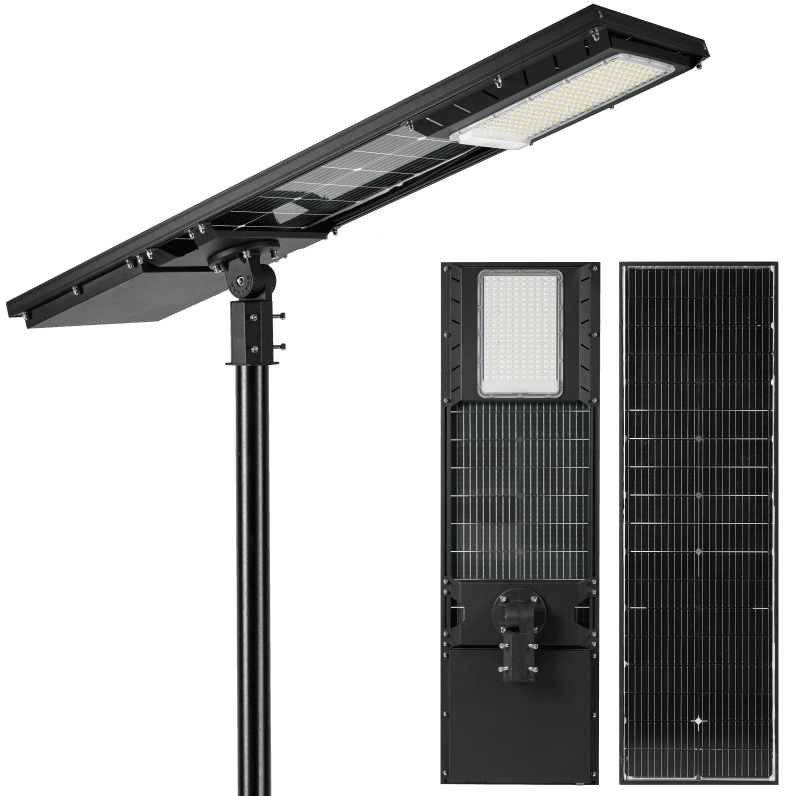
This solution boasts prominent practical strengths. First, it delivers ultra-reliable lighting, completely eliminating the weather dependency of standalone solar street lights and ensuring non-stop lighting all year round, which prevents dark zones on key traffic roads and improves travel safety. Second, it avoids deep discharge of batteries with mains backup service, extending the service life of energy storage batteries by 2 to 3 times and cutting regular battery replacement costs.
Economically, it relies on free solar power most of the time and reduces grid power consumption by over 70%, greatly lowering municipal electricity expenditure while retaining eco-friendly photovoltaic features to meet carbon peaking and neutrality goals, with energy-saving subsidies available in most regions. Equipped with IoT modules, the system supports remote dimming, fault alerts and energy consumption statistics, significantly boosting municipal operation and maintenance efficiency.
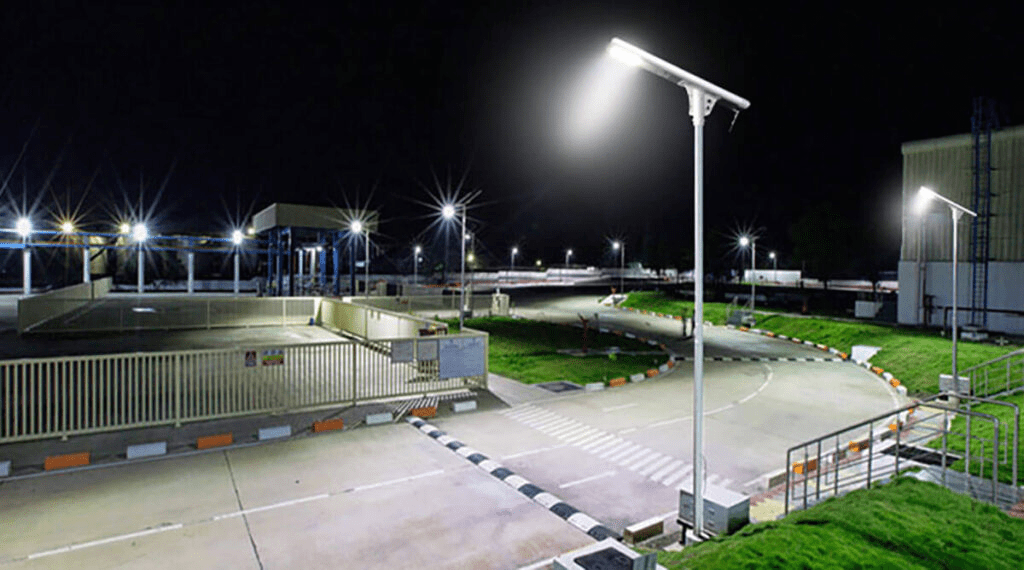
Lighting engineering insiders state that standalone solar lights only fit remote areas with abundant sunshine, and grid-powered lamps suffer high energy costs. In contrast, mains complementary street lights fit most urban and rural scenarios and balance stability, energy conservation and environmental protection. With the continuous upgrading of smart city infrastructure, this type of street light will see wider application in old lighting reconstruction and new urban lighting projects.