
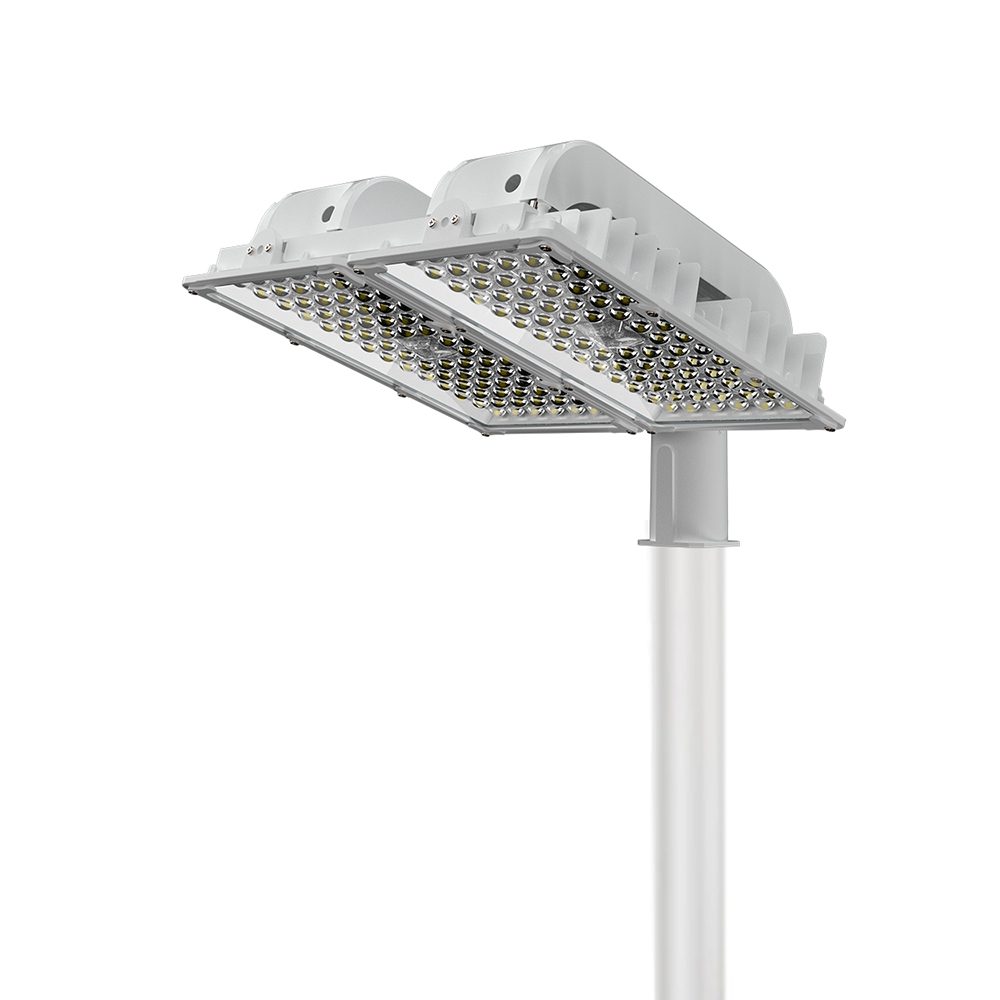
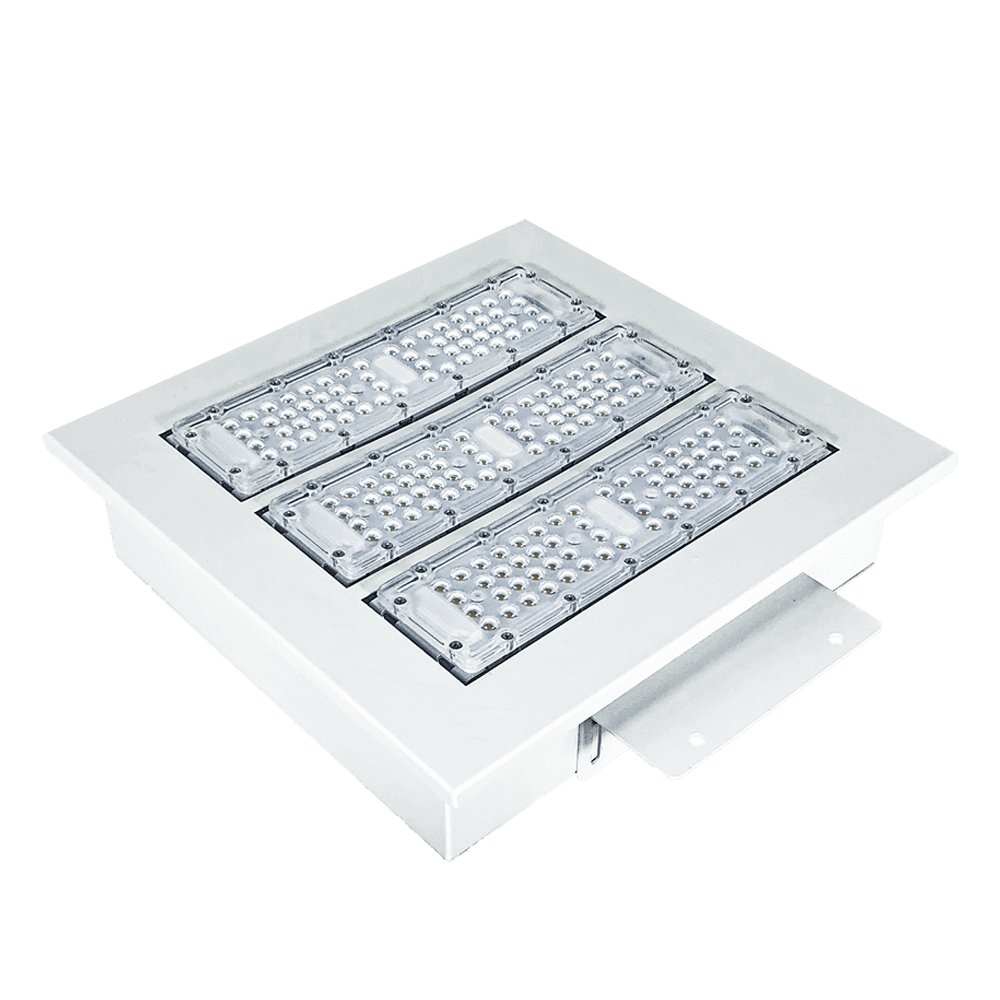
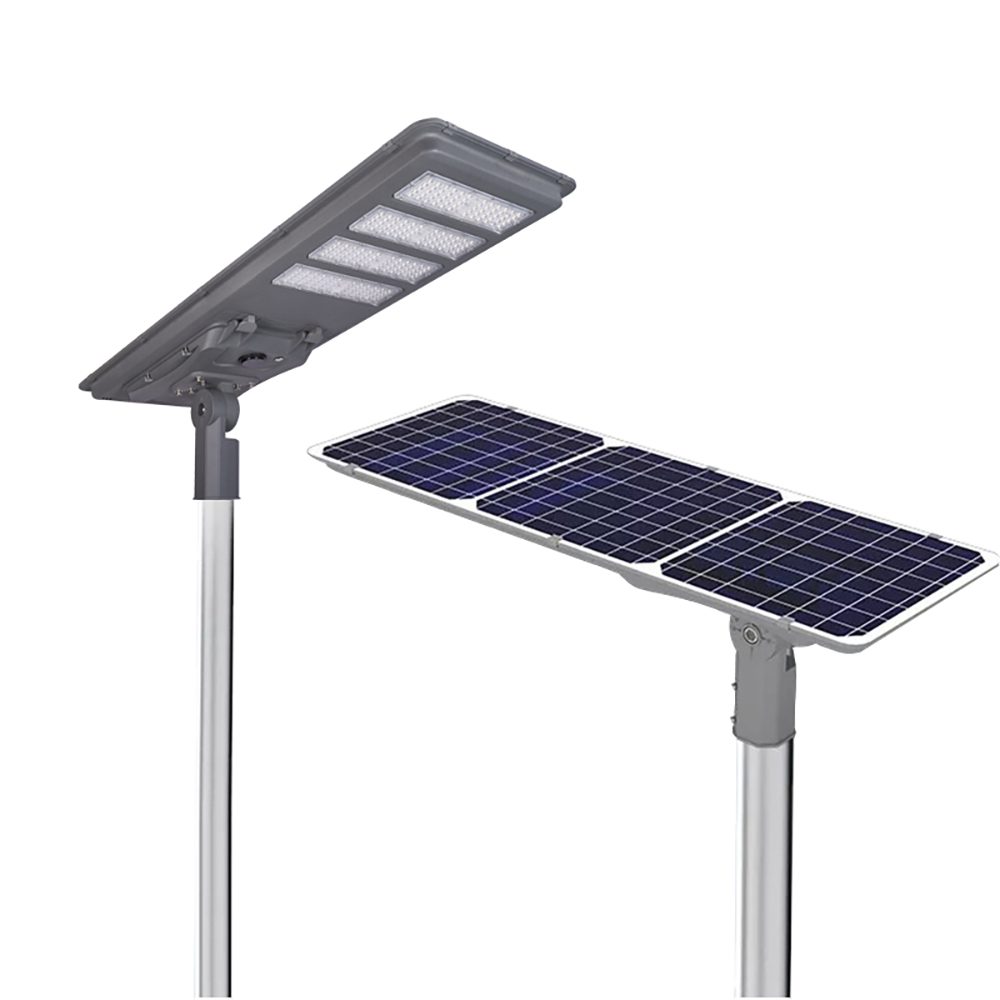
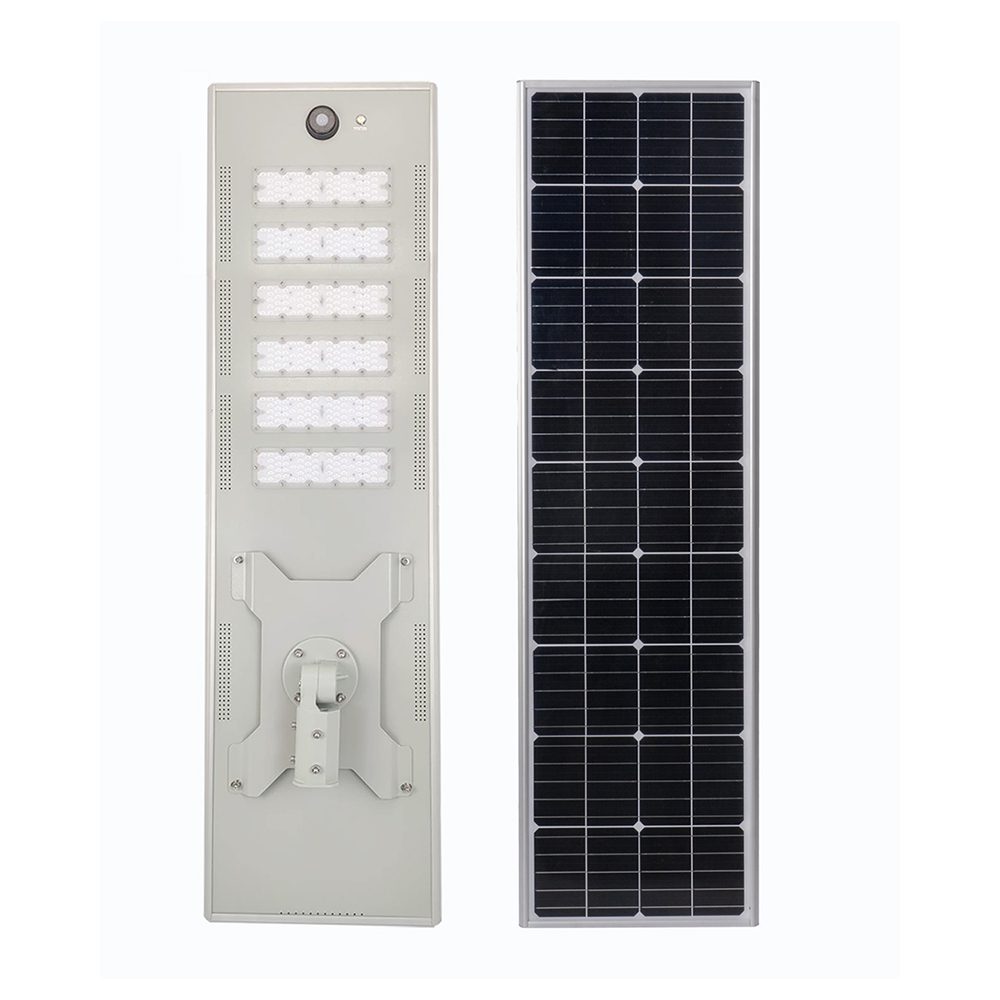

A solar street light is made up of several key components, including the solar panel, battery, LED light, and controller. Buyers usually pay close attention to the battery capacity, solar panel wattage, and LED power, but the controller is often overlooked. Although it is a relatively small component, the solar street light controller plays an important role in managing the entire system. It controls how electricity flows between the solar panel, battery, and LED light, helping the system operate safely and efficiently. So, what does a solar street light controller actually do, and why does its quality matter?
1. The Controller Is the Manager of the Solar Lighting System
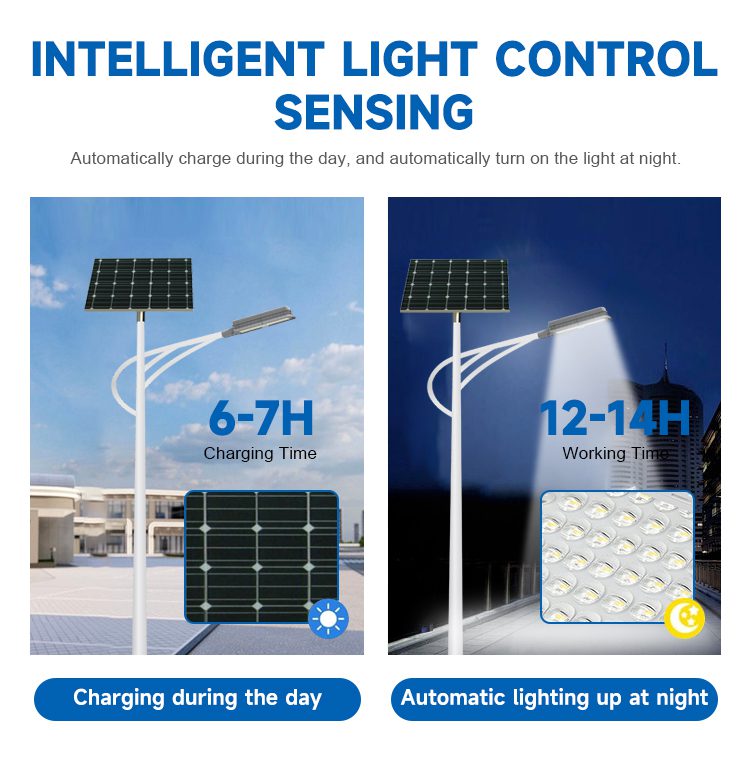
During the daytime, the solar panel converts sunlight into electrical energy. This energy needs to be stored in the battery so that the LED light can operate at night. The controller manages this energy flow. It determines when the battery should be charged, how the charging process should be controlled, and when the LED light should turn on or off. Without proper control, the battery could be overcharged or excessively discharged, which may reduce its service life. In simple terms, the solar panel generates energy, the battery stores energy, and the LED consumes energy. The controller manages the relationship between all three. This makes the solar street light controller an important part of the overall system rather than simply an accessory.
2. Controlling Solar Battery Charging
One of the primary functions of a solar controller is battery charging management. When sufficient sunlight is available, electricity generated by the solar panel is sent to the battery. The controller monitors the charging process and regulates the current and voltage according to the battery requirements. This is particularly important for lithium batteries, which require appropriate charging conditions to maintain safety and performance. A properly designed controller can help prevent overcharging and ensure that the available solar energy is used efficiently. For projects installed in regions with strong sunlight, this charging management becomes especially important because the solar panel may generate substantial amounts of energy during the daytime.
3. Protecting the Battery During Nighttime Operation
After sunset, the solar panel stops generating electricity and the battery begins supplying power to the LED light. The controller manages this discharge process and helps prevent excessive battery discharge. This function directly affects the usable life of the battery. If a battery is repeatedly discharged beyond its recommended level, its capacity and overall lifespan may gradually decrease. For this reason, a good solar lighting controller should be properly matched with the battery type and capacity used in the system. The controller should not be selected independently. Its charging and discharging characteristics need to correspond with the complete solar street light configuration.
4. Automatic Day and Night Lighting Control
Another basic function of the controller is automatic lighting control. The system needs to recognize the difference between daytime and nighttime. During the day, the LED light remains off while the solar panel charges the battery. After sunset, the controller activates the LED light using the stored energy. This allows solar street lights to operate automatically without a traditional electrical switch. Modern controllers can also support different lighting schedules. For example, the lamp may operate at higher brightness during the first few hours of the night and then reduce output during periods of lower traffic. This type of intelligent power management is commonly used in modern solar street light systems to balance lighting performance and energy consumption.
5. What Is an MPPT Solar Controller?
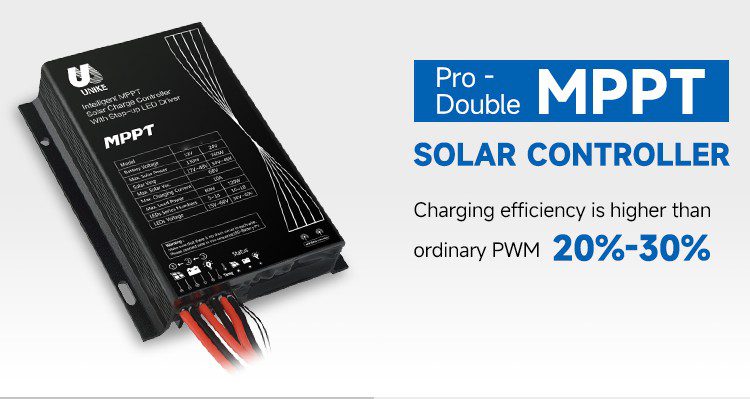
When comparing solar street light controllers, buyers may encounter the terms PWM and MPPT. PWM controllers use a relatively simple charging method and are generally more economical. MPPT controllers use a more advanced charging strategy to track the solar panel’s maximum power point, allowing the system to make better use of available solar energy under changing conditions. This can be particularly valuable in projects where solar energy availability is limited or weather conditions vary significantly. However, choosing MPPT does not automatically mean that every project will achieve the same improvement. The actual benefit depends on factors such as solar panel characteristics, battery configuration, local sunlight conditions, and system design. Therefore, the controller should be evaluated as part of the complete system rather than as an isolated specification.
6. Why Controller Quality Affects the Whole System
A controller may be much smaller and less expensive than the battery or solar panel, but a failure in the controller can affect the entire lighting system. A poor-quality controller may result in inefficient charging, abnormal lighting schedules, battery protection problems, or even system shutdown. For engineering projects, buyers should therefore consider not only the controller’s basic functions but also its compatibility with the battery voltage, solar panel configuration, LED load, and expected operating environment. Protection functions are also important. Depending on the design, a controller may include protection against overcharge, over-discharge, short circuit, reverse polarity, and other abnormal conditions.
7. How Should Buyers Evaluate a Solar Street Light Controller?
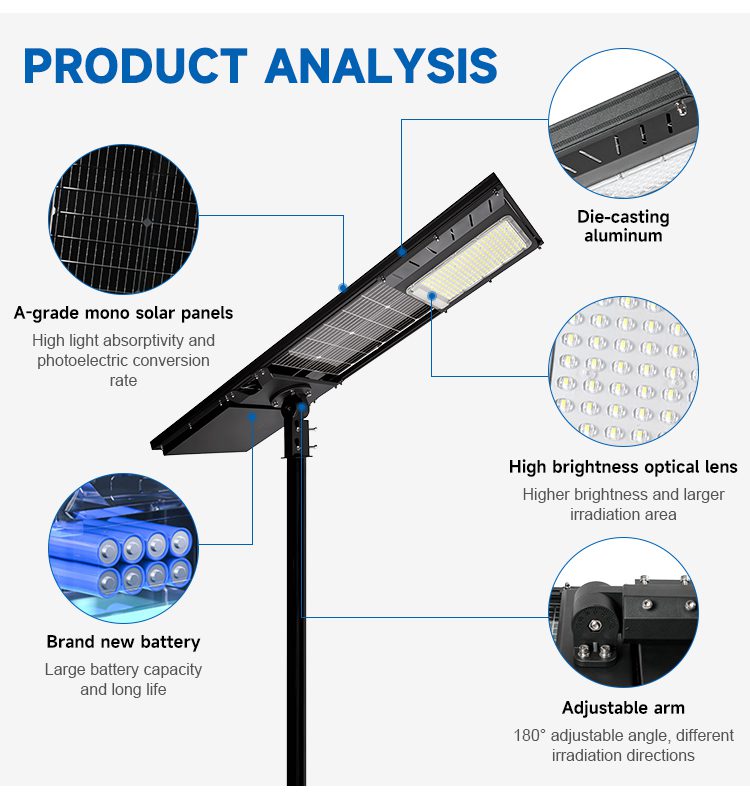
When comparing different solar street light quotations, the controller should be considered together with the rest of the system. Instead of simply asking whether a product uses an MPPT controller, buyers should check whether the controller is properly matched with the solar panel, battery, and LED load. The battery voltage and capacity, solar panel power, LED power, daily operating hours, and lighting control strategy should all be considered. This is particularly important when comparing quotations from different suppliers. Two solar street lights may have similar LED wattage and battery capacity on paper, while their controllers and energy management strategies may be different. A well-matched controller helps the entire system use available solar energy more efficiently while protecting the battery during long-term operation.
Conclusion
The solar street light controller may be one of the smallest components in the system, but its role is fundamental. It manages energy flow between the solar panel, battery, and LED light, controls charging and discharging, provides automatic day-night operation, and helps protect the system from abnormal conditions. When selecting a solar street light, buyers should therefore look beyond LED wattage and battery capacity. The controller is an important part of the system configuration and should be properly matched with the other components. A reliable solar lighting system is not simply a collection of high-quality components. It is a system in which the solar panel, battery, controller, and LED light are correctly designed to work together.