
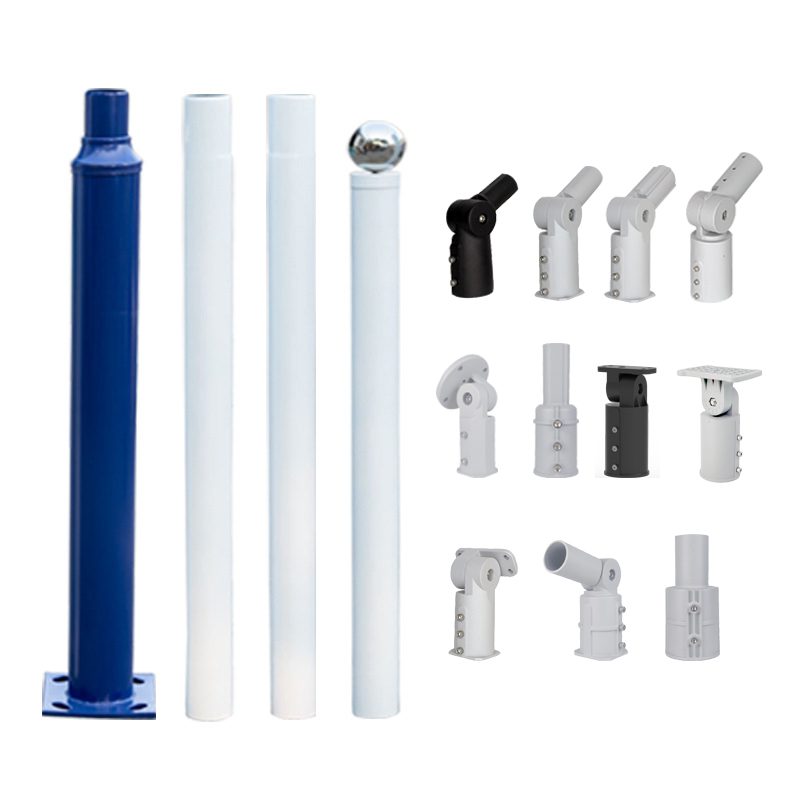
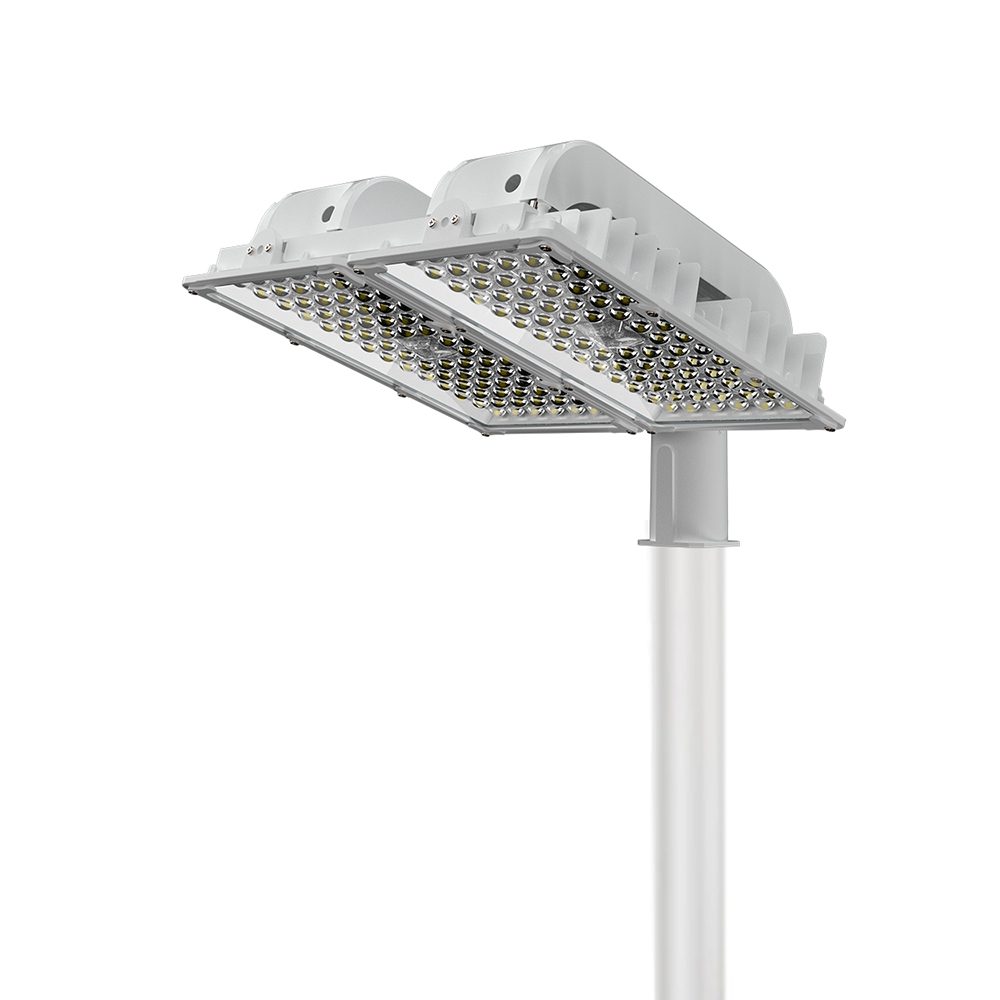

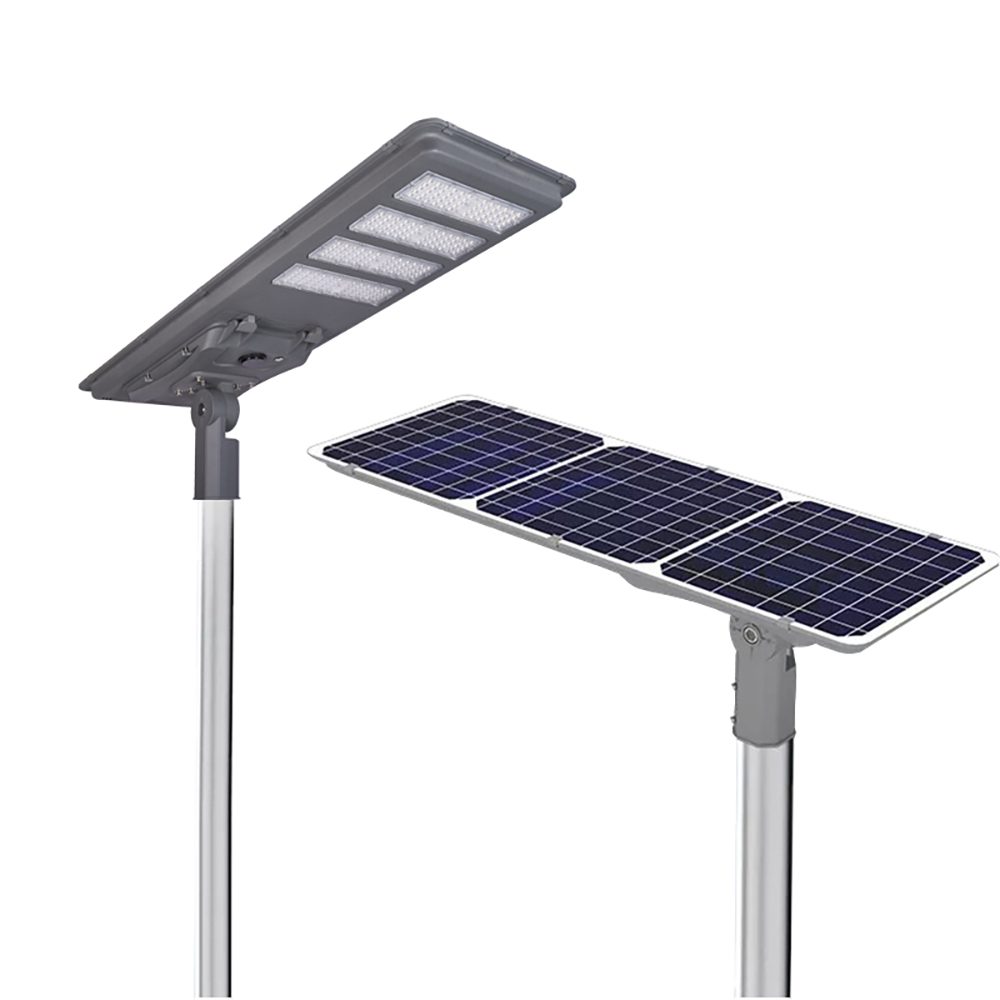



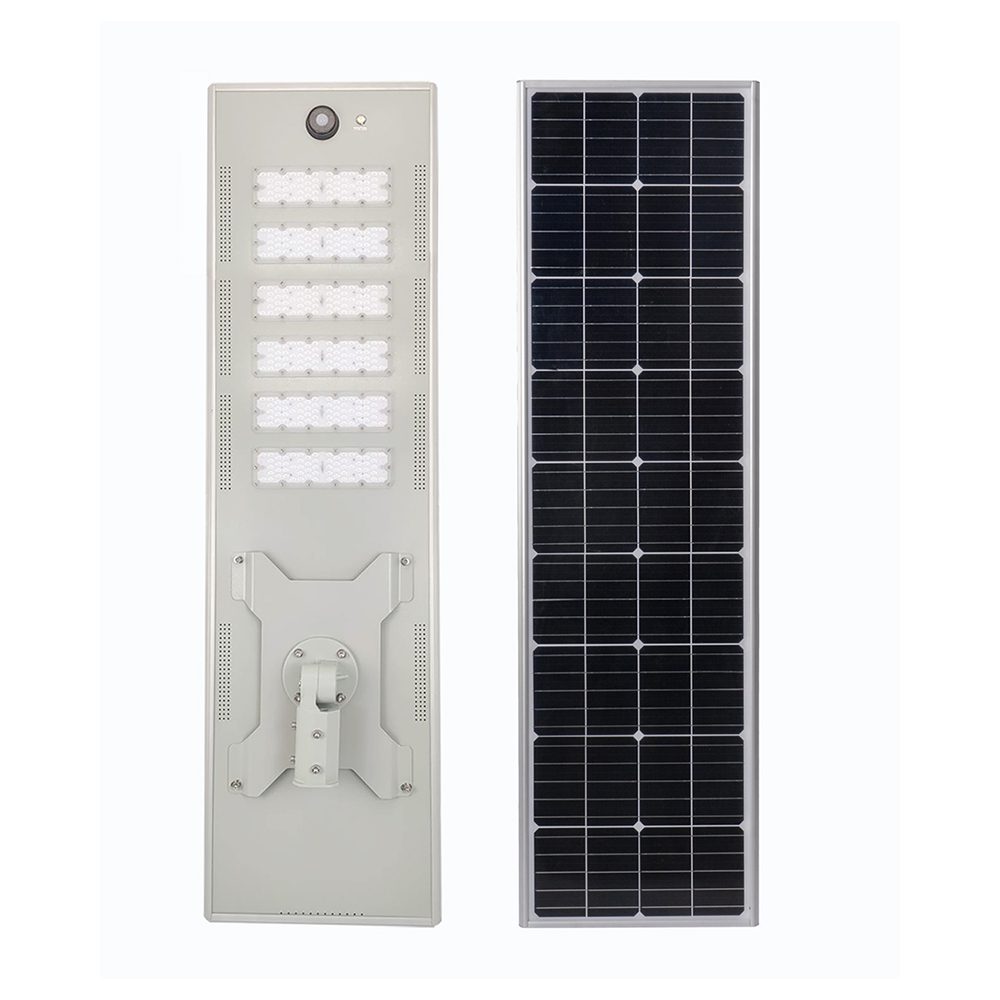

With the in-depth advancement of carbon neutrality strategies and smart city construction, modern urban planning focuses on low-carbon energy conservation, high efficiency and ecological livability. As the most extensive public lighting facility, LED street lights have evolved from simple night lighting tools into core infrastructure for optimizing urban energy consumption and promoting sustainable urban development.
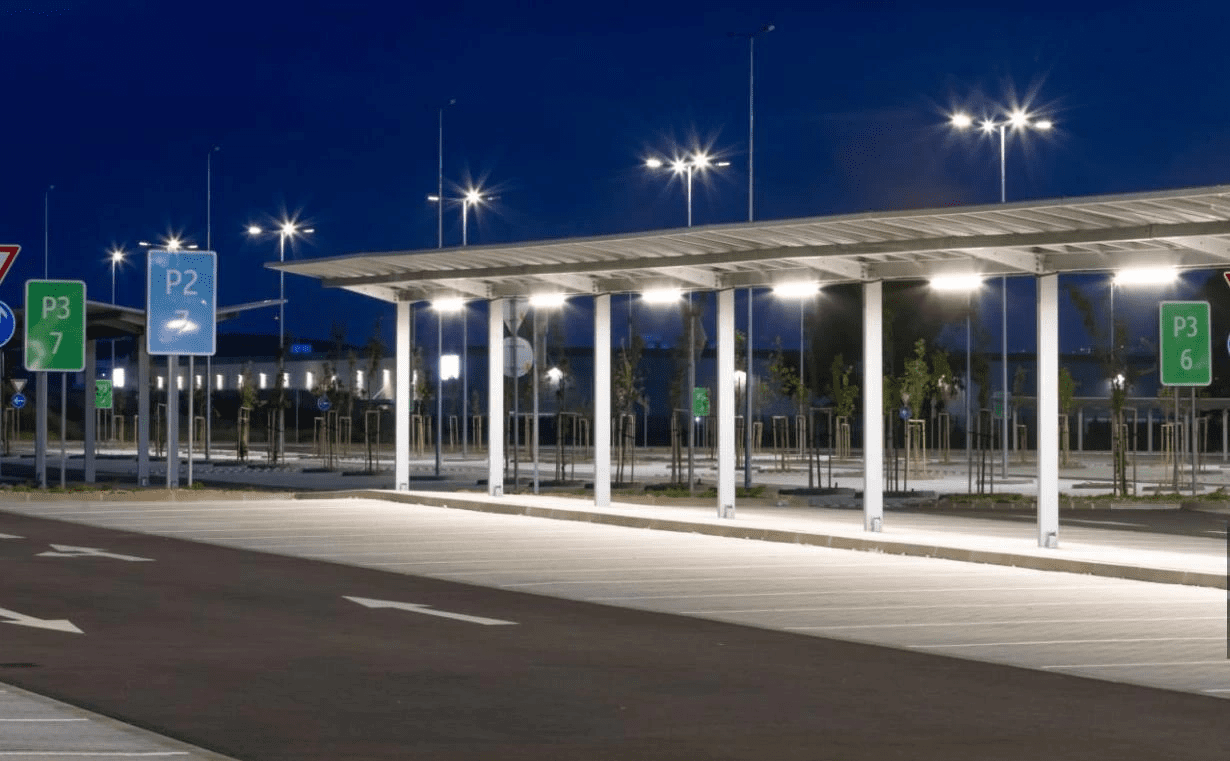
Energy saving and carbon reduction are the core advantages of LED street lights. Compared with traditional high-pressure sodium lamps, LED street lights achieve a comprehensive energy-saving rate of 40%-60% and greatly reduce urban public power consumption. Large-scale application effectively cuts carbon emissions and helps cities complete carbon reduction targets. Meanwhile, LED lamps contain no harmful substances, leaving almost no environmental pollution after abandonment and building a green urban lighting system.
LED street lights reduce long-term municipal costs and suit long-term urban planning. With a service life of over 50,000 hours and excellent weather resistance, they greatly lower replacement and maintenance frequency, easing municipal financial pressure. Optimized fund allocation supports people’s livelihood and ecological construction, realizing rational allocation of urban resources.
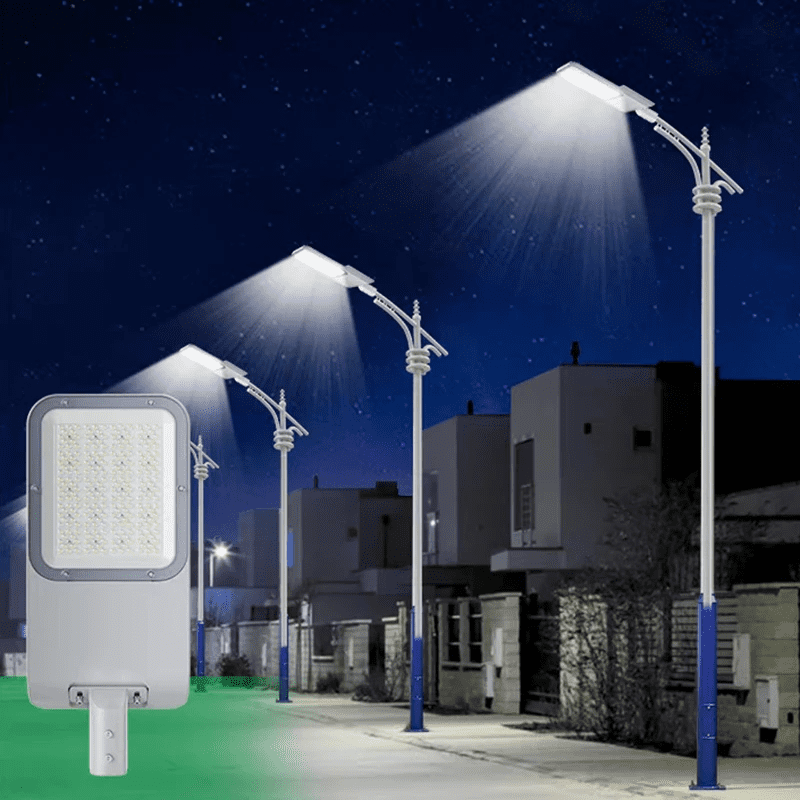
In addition, LED street lights serve as essential carriers for smart city digitalization. They support intelligent dimming, remote monitoring and fault early warning to avoid energy waste. Compatible with 5G base stations, security monitoring and environment sensors, they realize multi-functional integration, reduce redundant urban infrastructure and save urban space resources. Industry insiders believe that intelligent LED lighting systems will become the standard configuration for future green and smart city construction.