
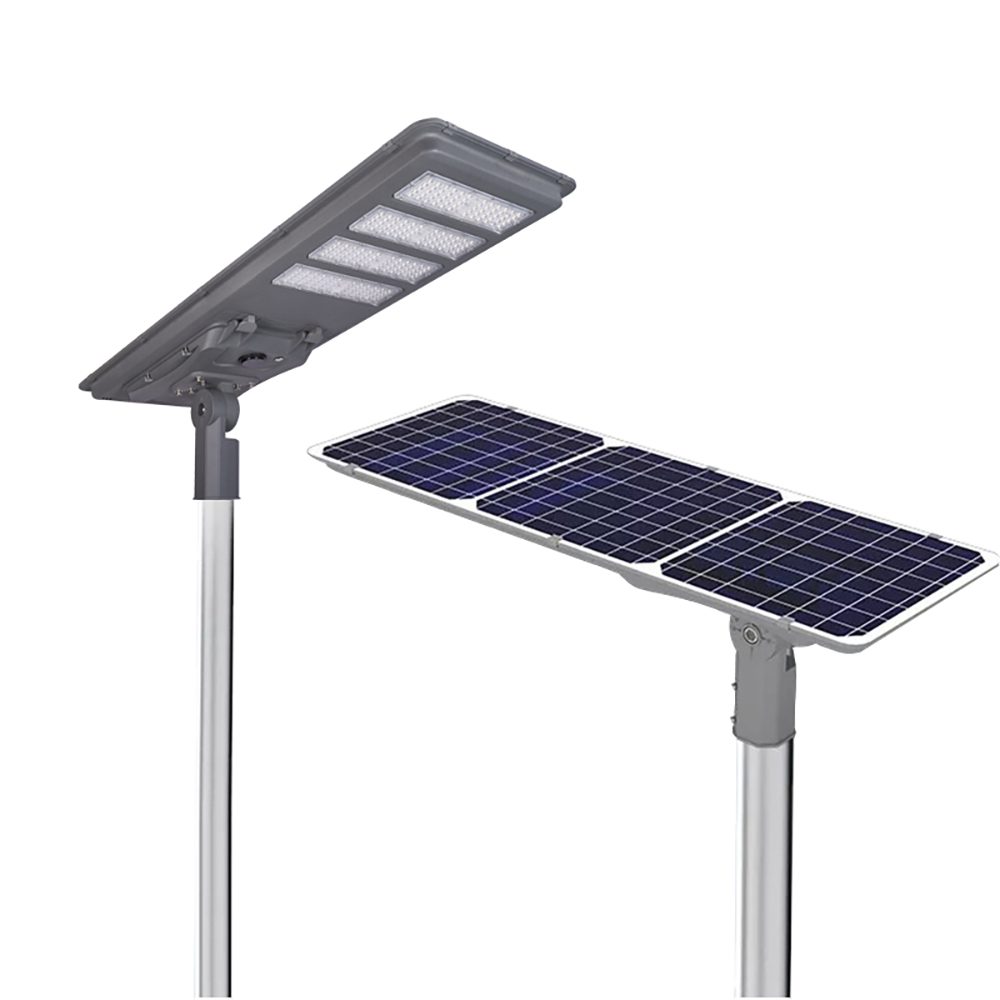
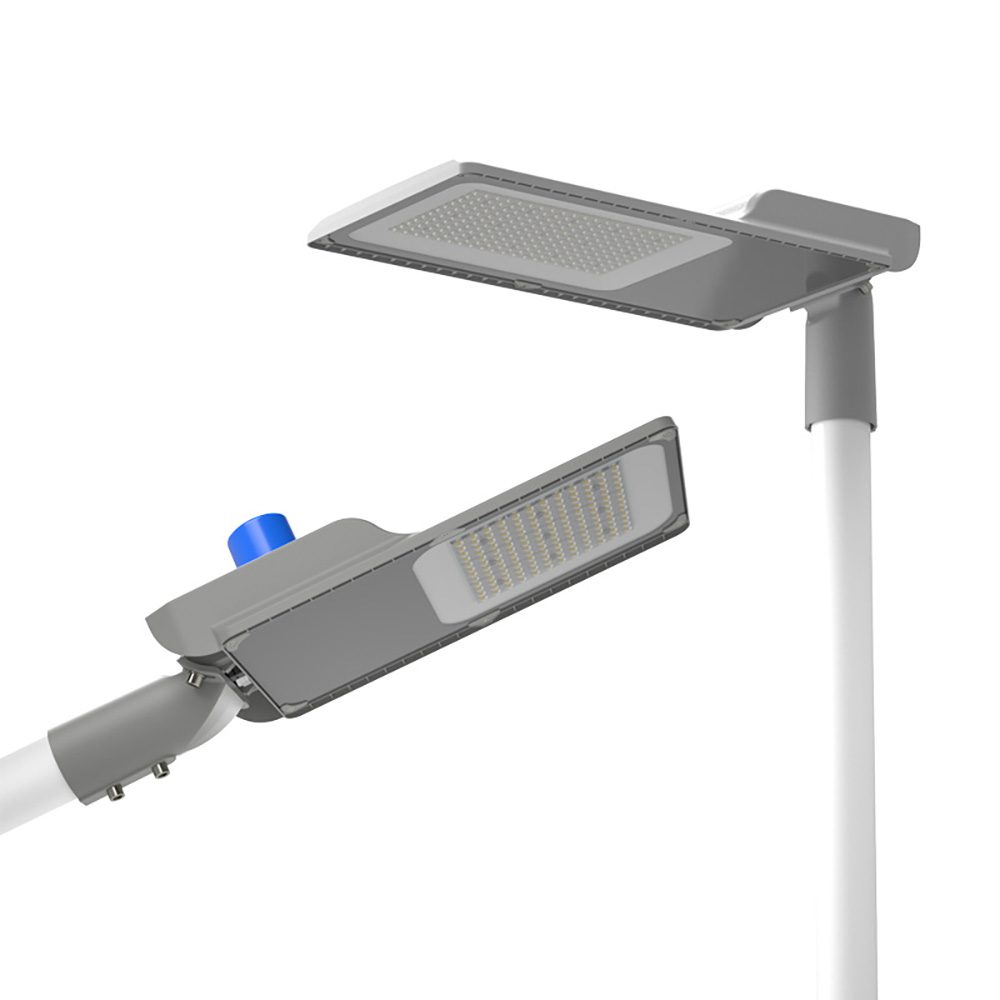
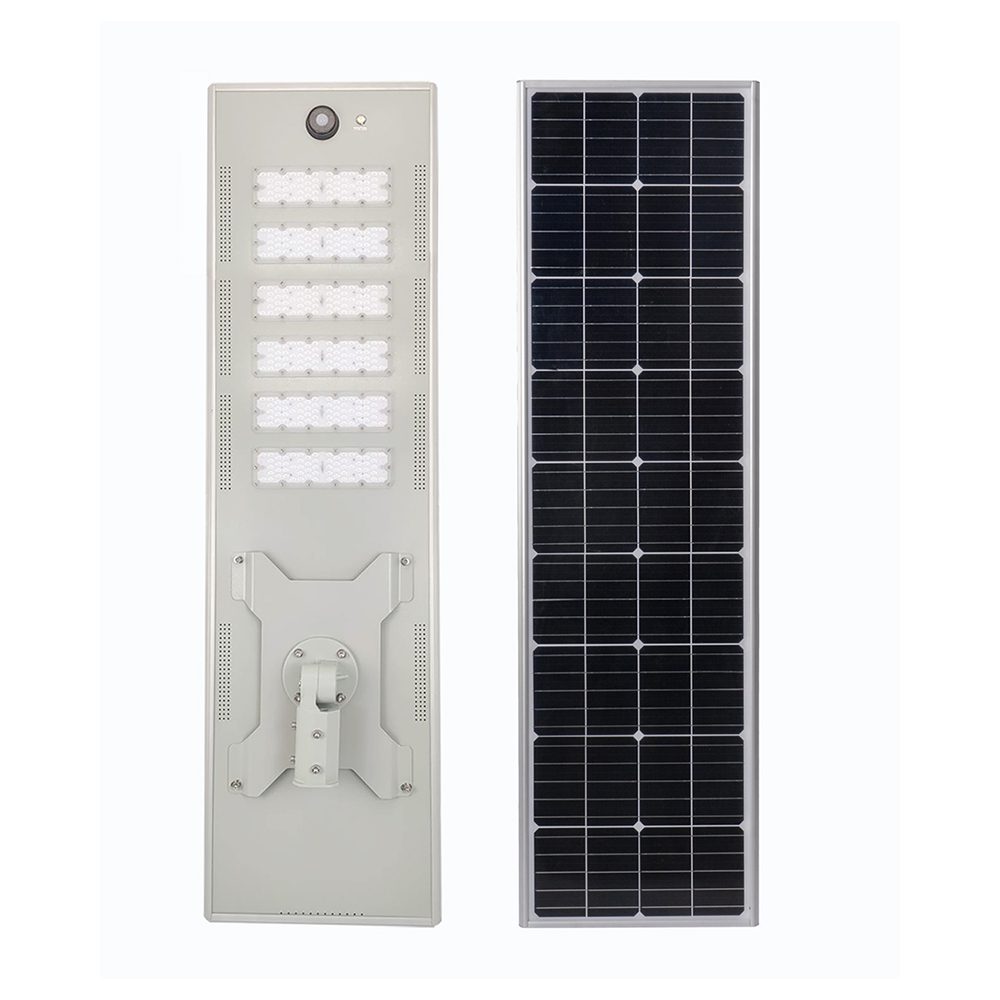

Low temperature, shortened sunshine duration and snow cover in winter often affect the normal operation of solar street lights, causing insufficient charging, reduced brightness and even shutdown failures. With continuous technological upgrading, modern solar street lights adapt to harsh winter conditions through material optimization, intelligent regulation and structural improvement, realizing stable lighting all year round and expanding applications in cold regions.
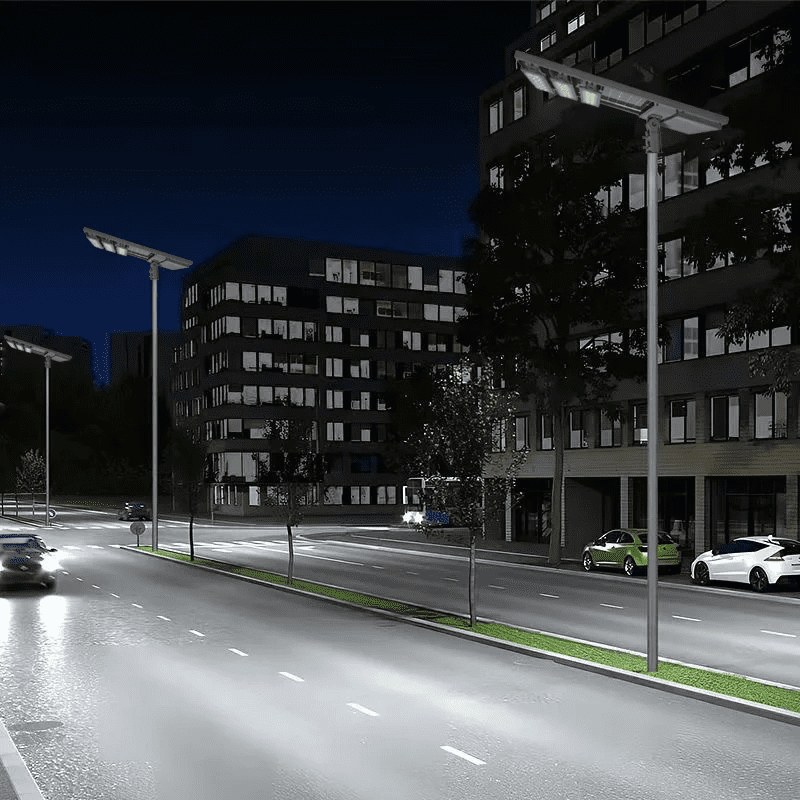
The low-temperature optimized battery system is the core guarantee. Traditional lead-acid batteries suffer severe capacity attenuation in cold weather. In contrast, low-temperature resistant lithium iron phosphate batteries with PTC constant temperature heating modules maintain over 80% capacity at -30℃. The heating system automatically activates at low temperatures to stabilize battery operation and avoid power shortage failures in winter.
Intelligent charging and dimming systems make up for insufficient winter sunlight. Equipped with MPPT controllers, solar street lights improve charging efficiency by 15%-30% and effectively capture weak solar energy in low-light winter environments. The built-in BMS dynamically adjusts charging voltage, prevents overcharging and overdischarging, and switches to low-power mode intelligently to save power reasonably.
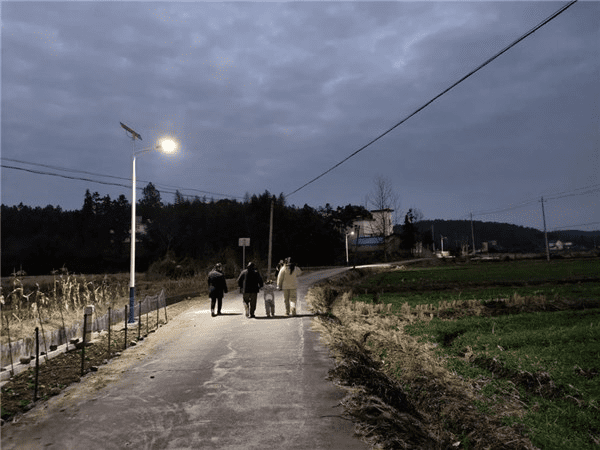
Wind and snow resistant structural design ensures reliable protection. Cold-resistant materials prevent cracking and deformation at low temperatures. The large-angle solar panel design allows snow to slide off naturally, ensuring stable power generation. With IP65 protection, the lights resist rain, snow and frost erosion. With these comprehensive optimizations, solar street lights can operate stably in cold northern regions and serve as reliable green lighting equipment.