

Color temperature is one of the most easily overlooked but critical parameters in outdoor LED lighting projects. Many buyers only focus on power, brightness and waterproof level while ignoring color temperature matching, which leads to poor lighting experience, unqualified project standards and even shortened lamp service life. Reasonable color temperature selection can improve road safety, optimize venue visual effects and meet the standardized lighting requirements of different outdoor scenarios.
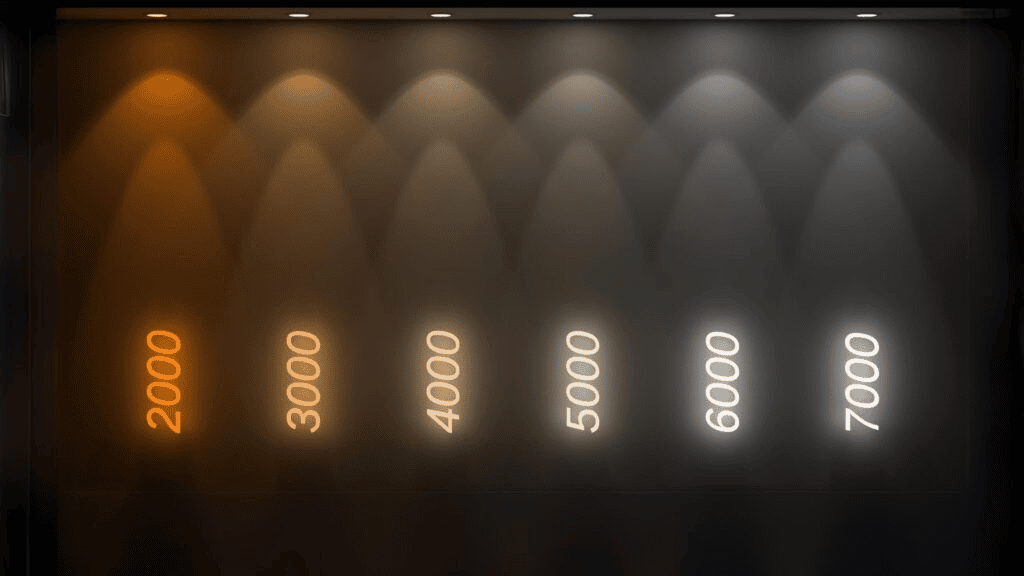
Common color temperatures for outdoor lamps are mainly divided into 3000K warm white, 4000K natural white and 6000K-6500K cool white. Each color temperature has fixed applicable scenarios and professional design standards. 3000K warm white light features soft and warm light color, low glare and strong fog penetration. It is widely used in residential communities, landscape lighting, parks, villas and pedestrian streets. It effectively reduces light pollution, protects human eyes and creates a comfortable night environment.
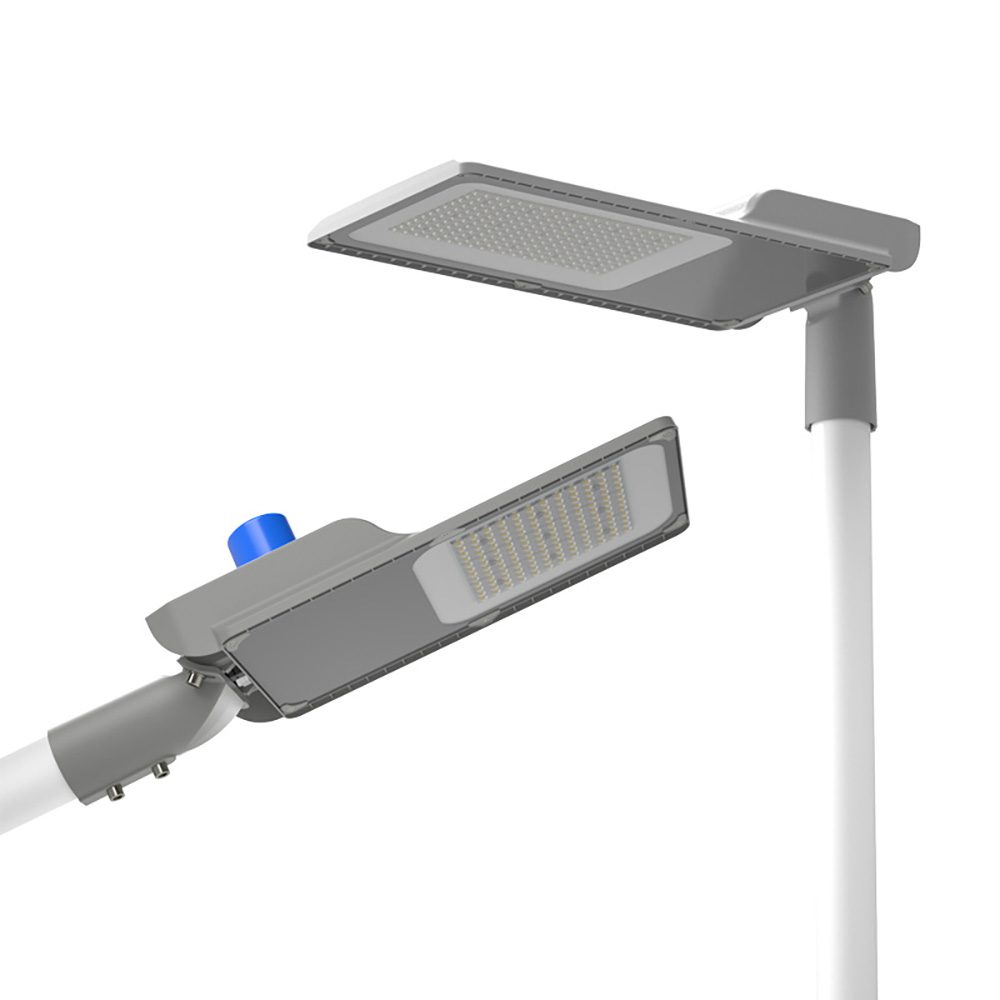
4000K natural white is recognized as the most humanized and versatile light color for outdoor engineering. The light is close to natural daylight, with balanced brightness and color rendering. It will not cause visual fatigue during long-term observation. This color temperature is the best choice for urban municipal roads, residential roads, parking lots and commercial street lighting. It can ensure clear road vision and improve pedestrian and traffic safety, which conforms to international urban lighting standards.
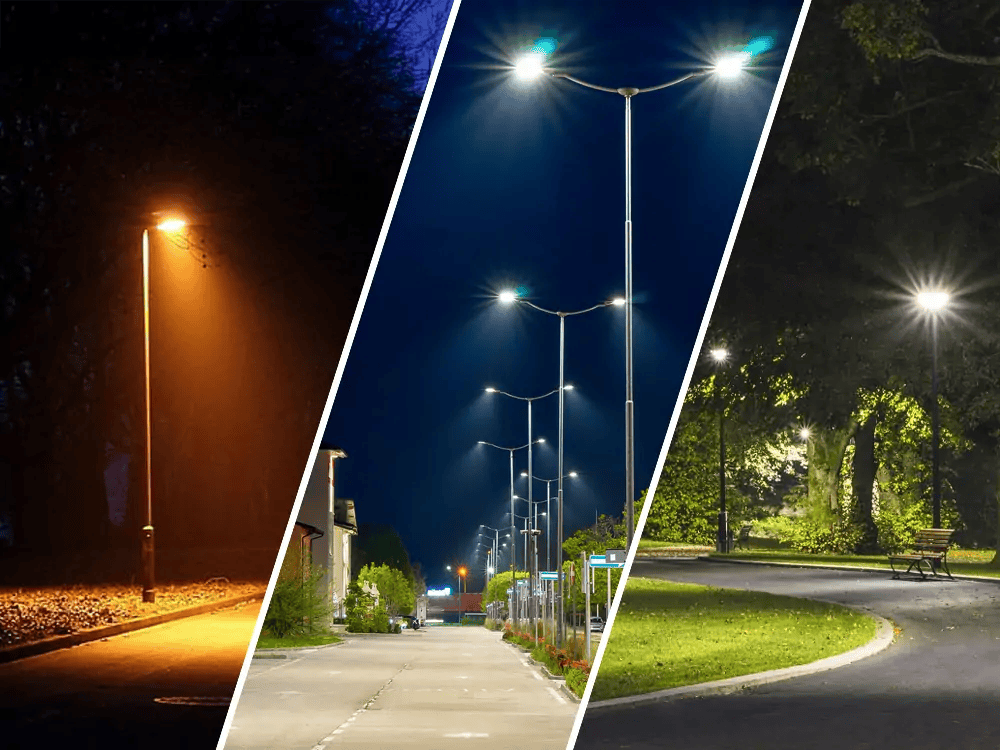
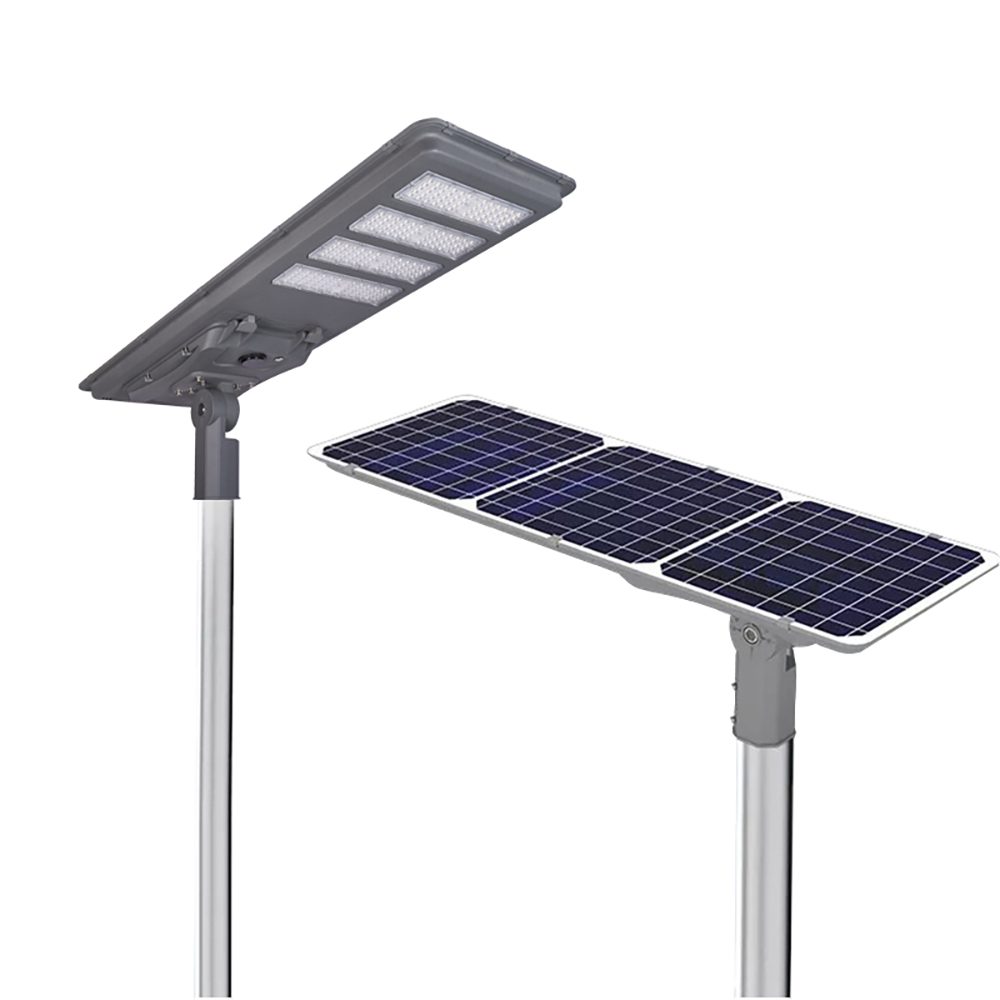
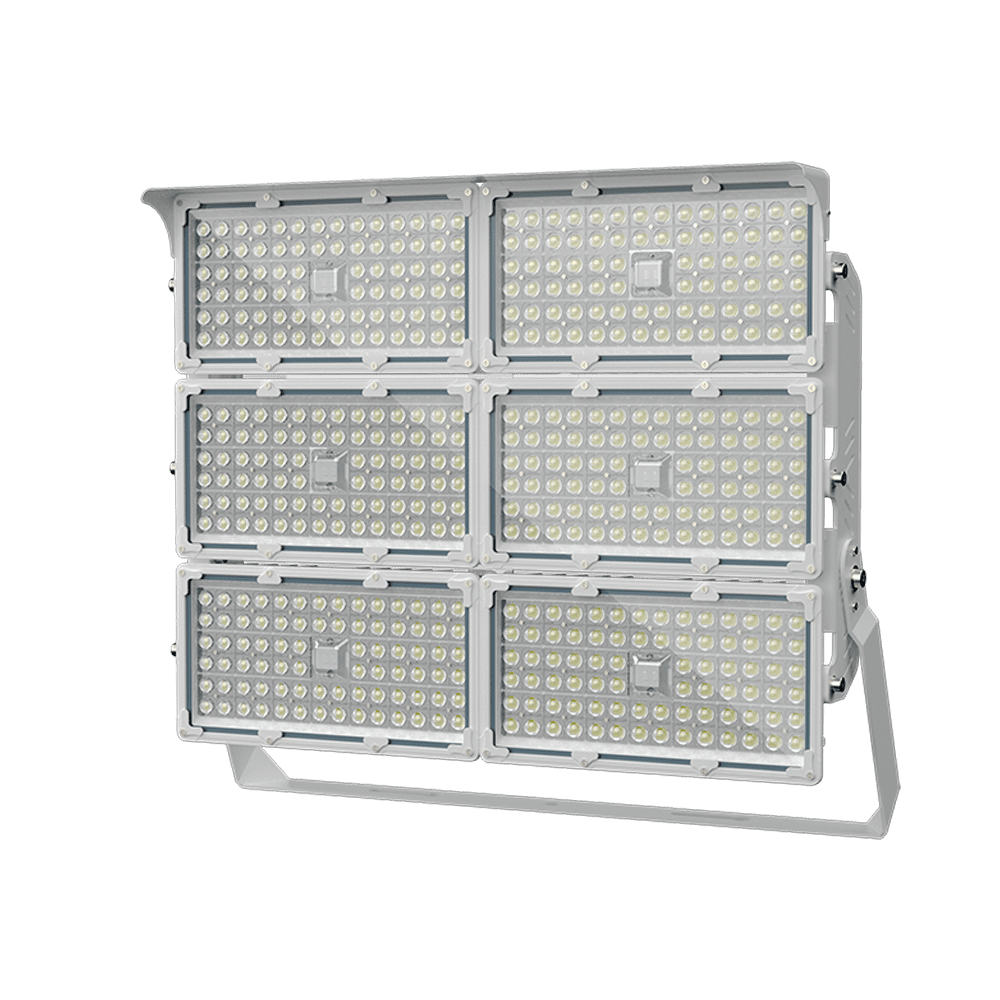
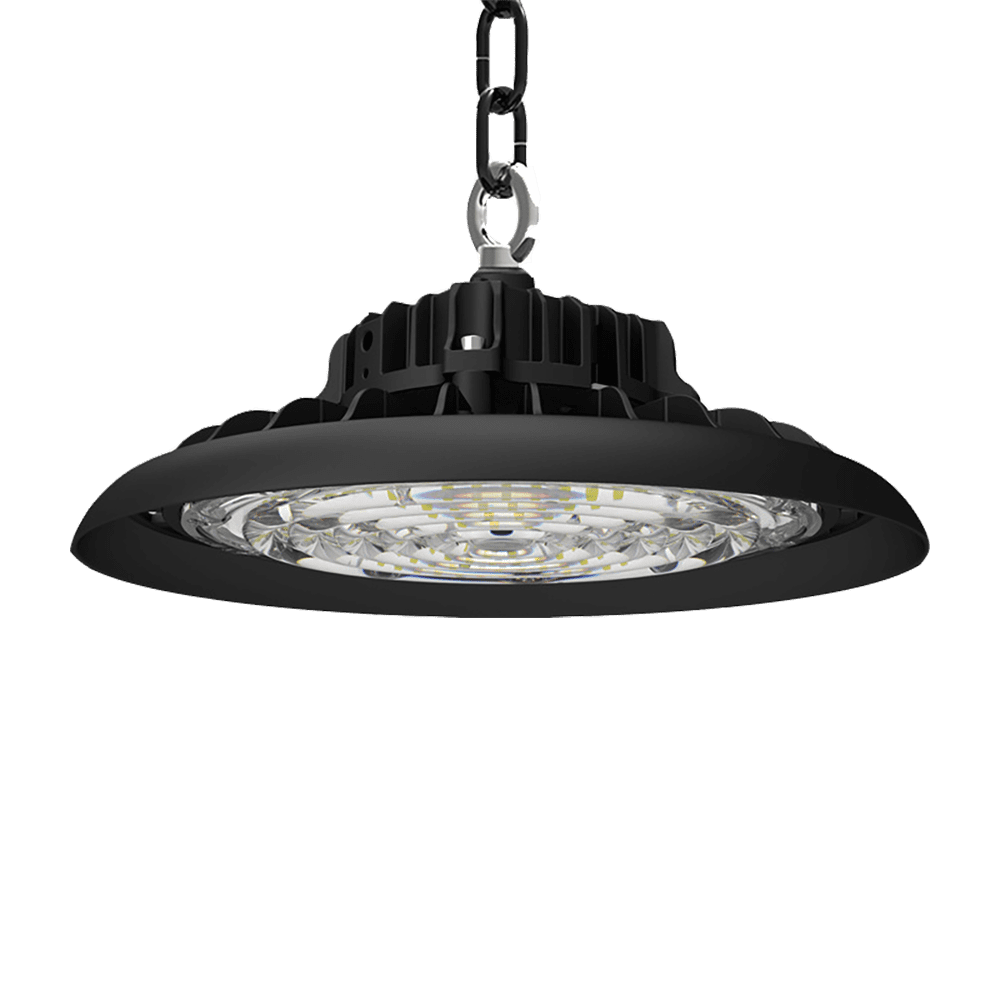
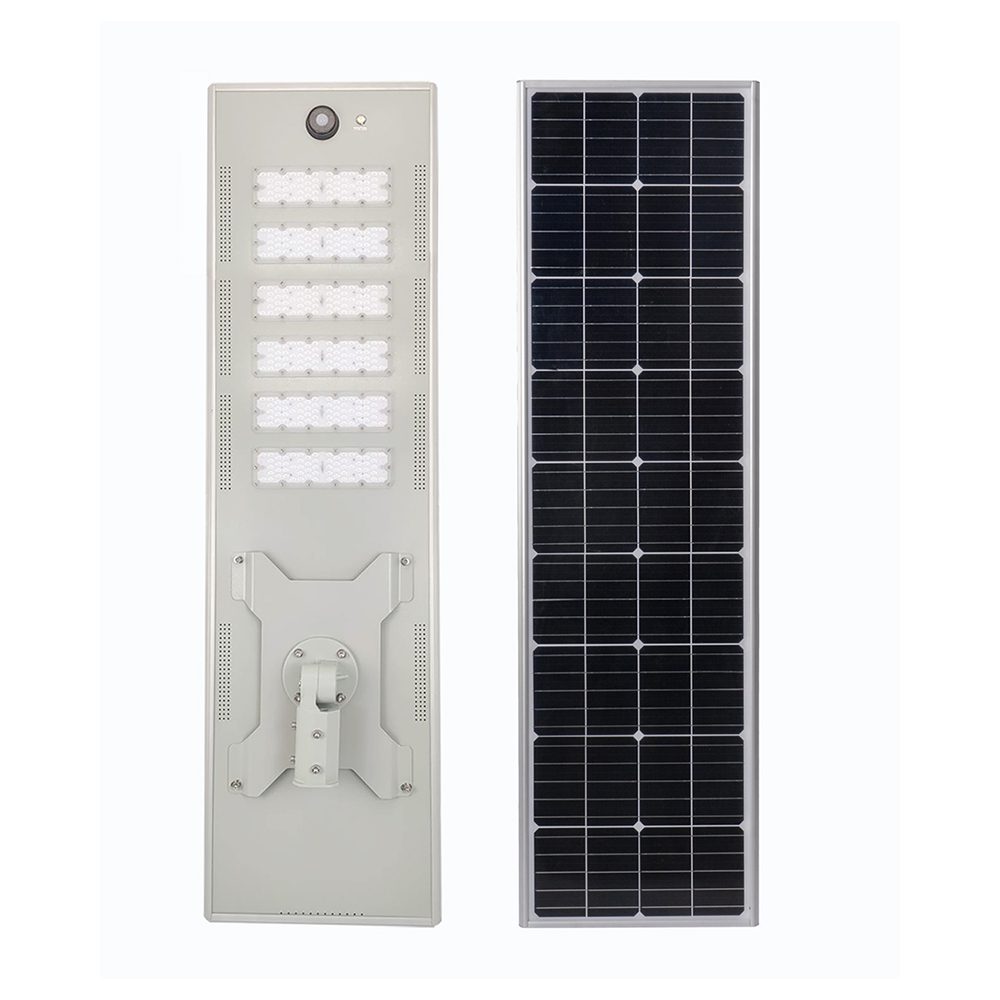
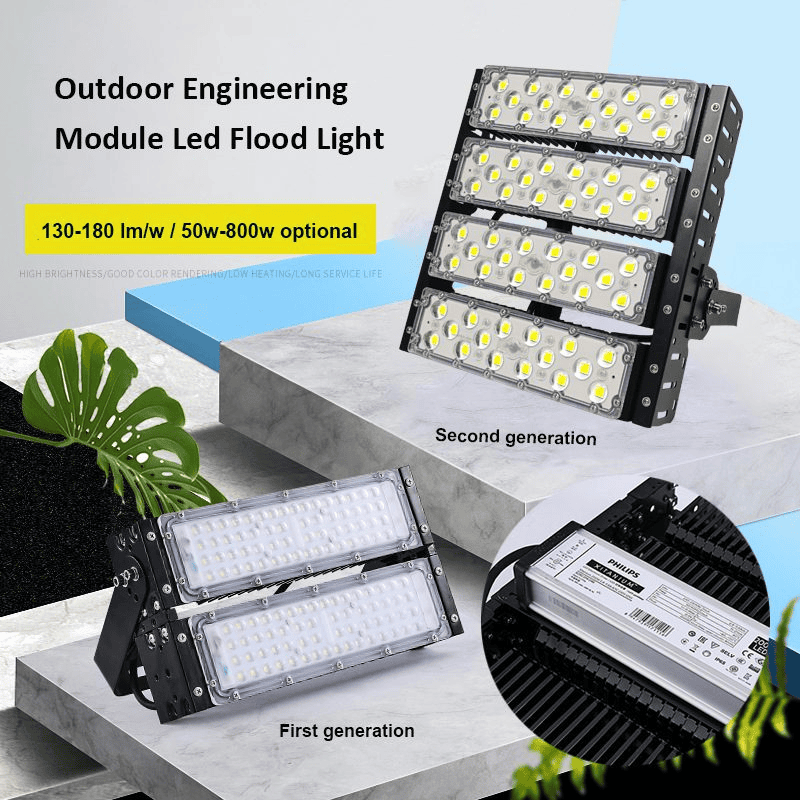
6000K-6500K cool white light has high brightness and strong visual clarity, with excellent penetrating power in dark environments. It is suitable for high-demand working and monitoring scenarios, including industrial factories, warehouses, stadiums, square flood lighting and rural solar road lighting. However, excessive cool white light will cause strong glare and light interference, so it is not recommended for residential and landscape scenes.
Professional lighting projects insist on scenario-based color temperature matching. Blind pursuit of ultra-high color temperature will cause light pollution and affect human biological clocks, while overly warm light cannot meet safety lighting needs. Correct color temperature configuration not only improves lighting quality but also enhances the overall grade and compliance of outdoor lighting projects.