

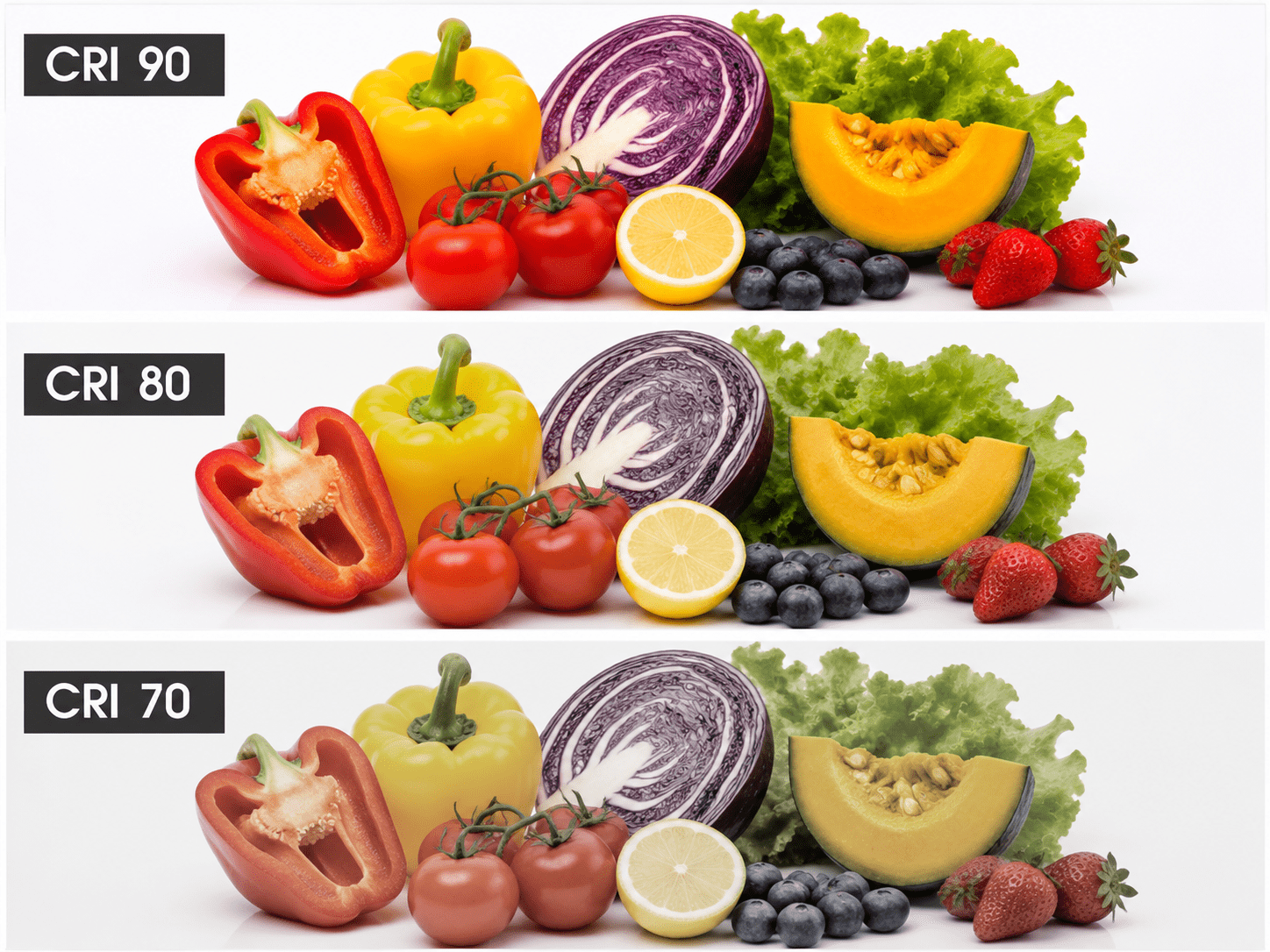
In LED lighting projects, two technical parameters are often compared during product selection: Color Rendering Index (CRI) and luminous efficiency (lm/W). These two indicators are closely related, but they do not always move in the same direction. In many cases, improving CRI means sacrificing part of the luminous efficiency, while optimizing efficiency may limit color accuracy.
Understanding this relationship is important for lighting designers, project contractors, and end users because different applications require different priorities. Choosing the right balance can directly affect lighting performance, energy consumption, and overall project cost.
1. Understanding CRI and Luminous Efficiency
CRI (Color Rendering Index) measures how accurately a light source reproduces the true colors of objects compared with natural daylight. The value ranges from 0 to 100, and a higher CRI means better color accuracy and more natural visual appearance.
Luminous efficiency (lm/W), on the other hand, measures how much visible light is produced per unit of power consumption. Higher efficiency means brighter output with lower energy usage.
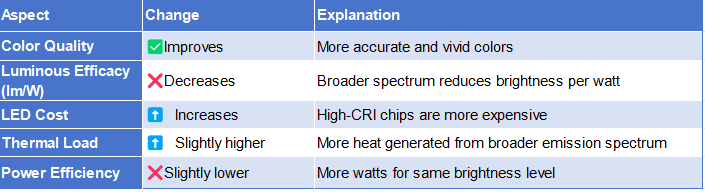
In practical LED design, these two parameters are influenced by LED chip technology and phosphor composition. As CRI increases, more energy is typically required to achieve better color rendering, which often leads to a slight reduction in luminous efficiency.
2. Why Higher CRI Often Means Lower Efficiency
The trade-off between CRI and efficiency comes from how white light is generated in LEDs. To improve CRI, manufacturers must adjust the spectral distribution of the light, especially in red and deep color regions. This process usually reduces the peak luminous output of the LED.
As a result:
- CRI 70 products usually achieve higher luminous efficiency
- CRI 80 products offer a balanced performance
- CRI 90 products provide better color quality but slightly lower efficiency
This is not a quality issue, but a technical balance between energy output and color accuracy. When upgrading from CRI 70 → CRI 80 → CRI 90, several key trade-offs occur:
3. CRI 70: High Efficiency for Functional Lighting
CRI 70 is commonly used in applications where visual color accuracy is not critical, but brightness and energy efficiency are the main requirements.
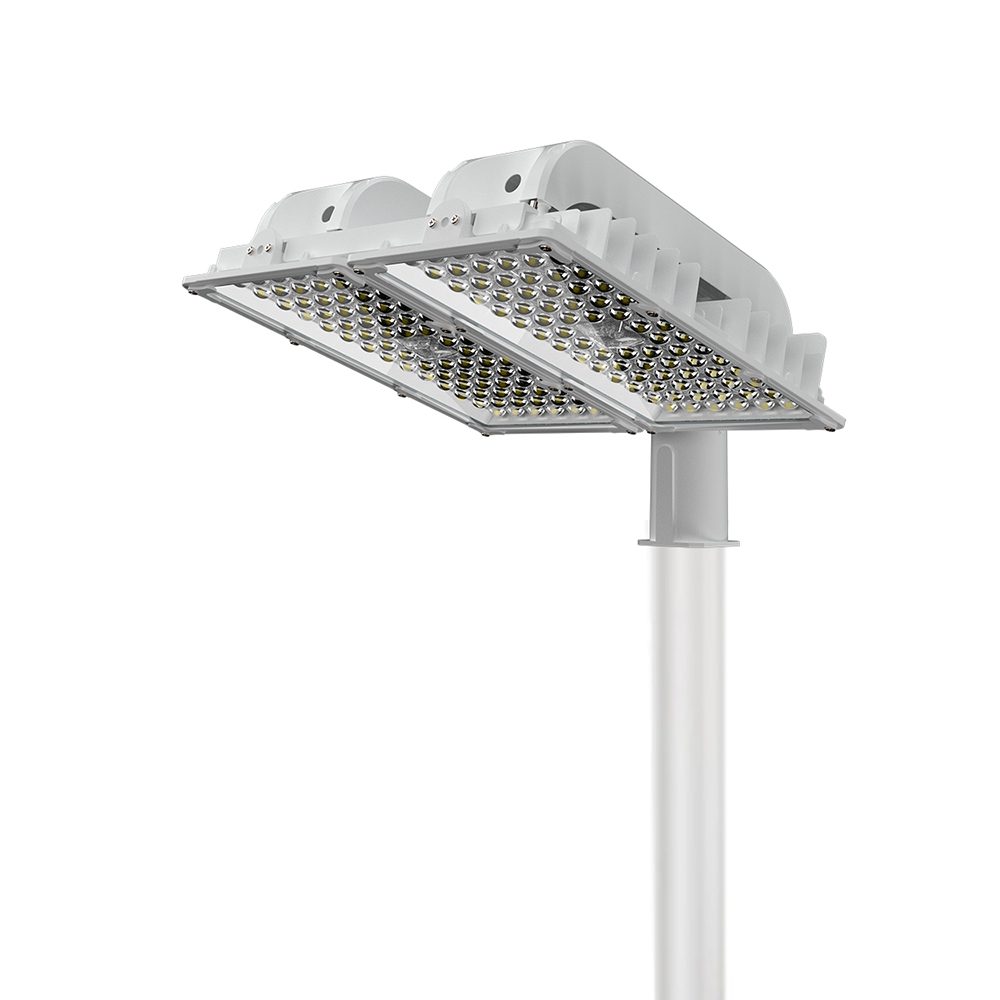
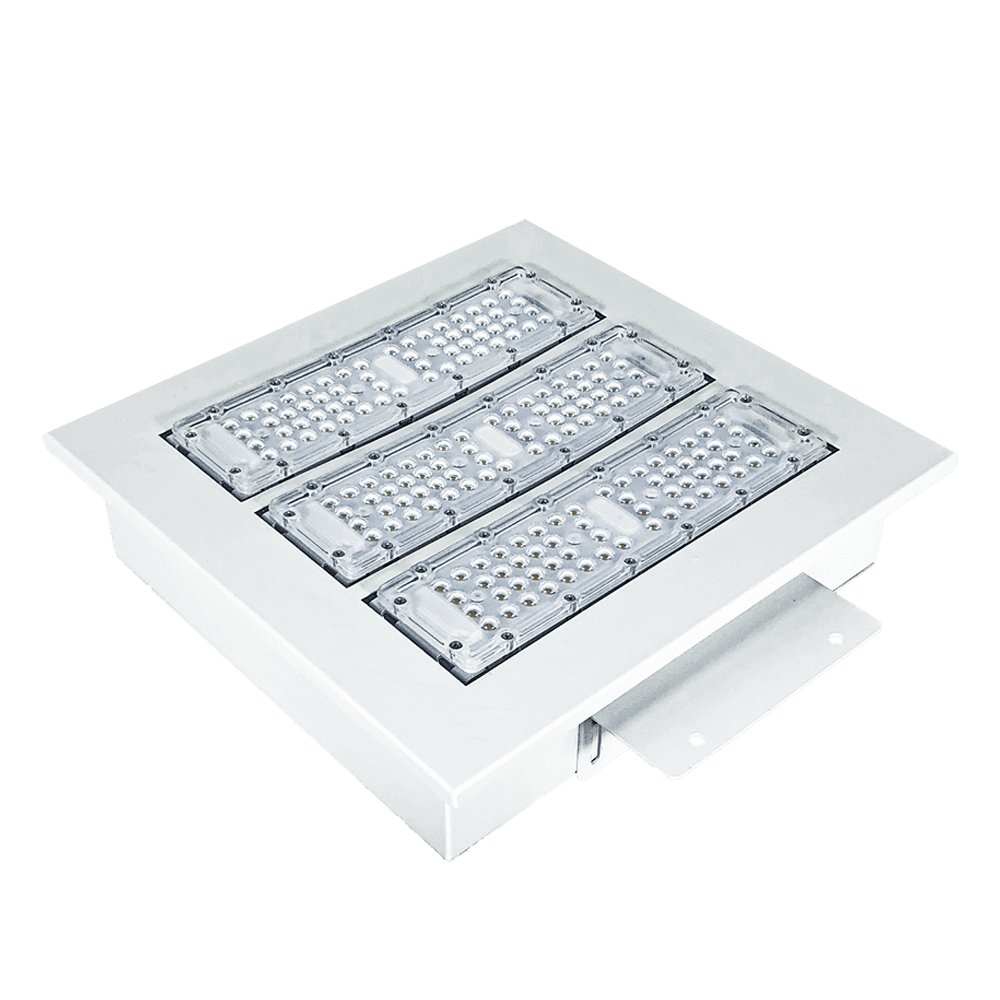
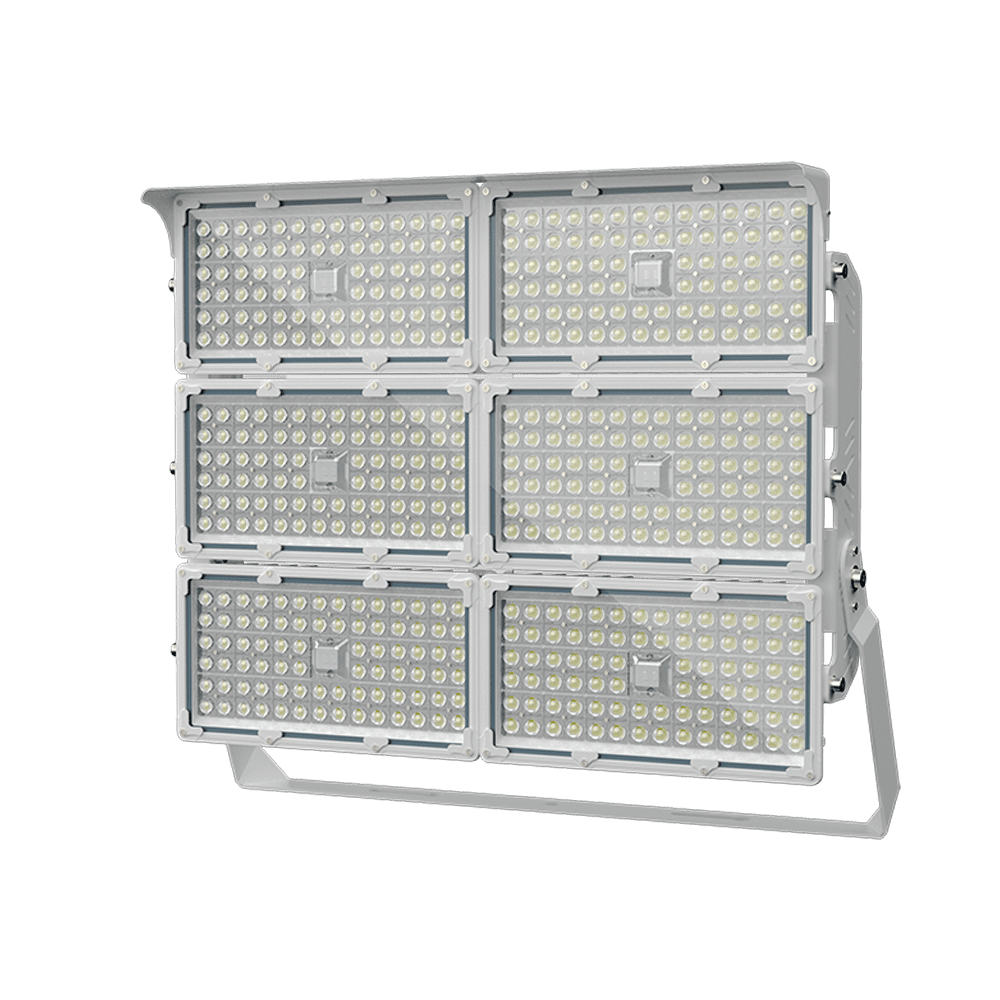
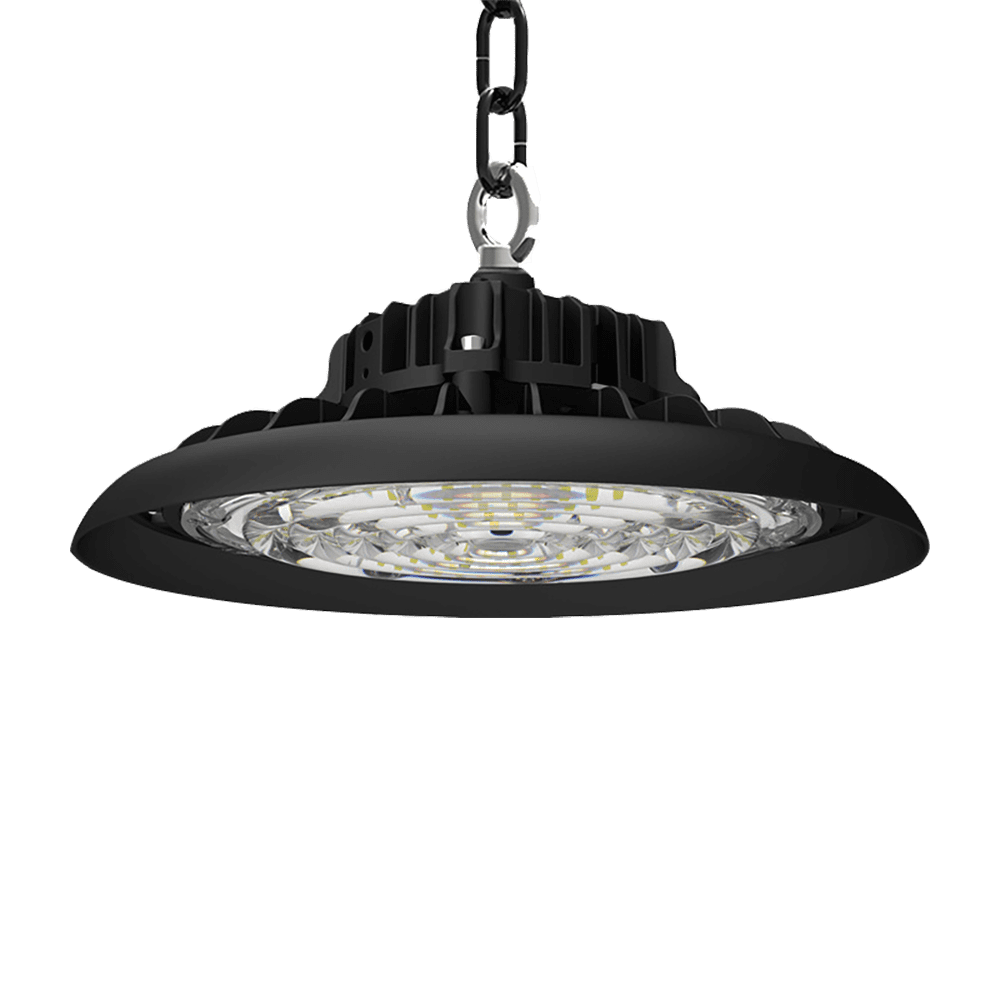
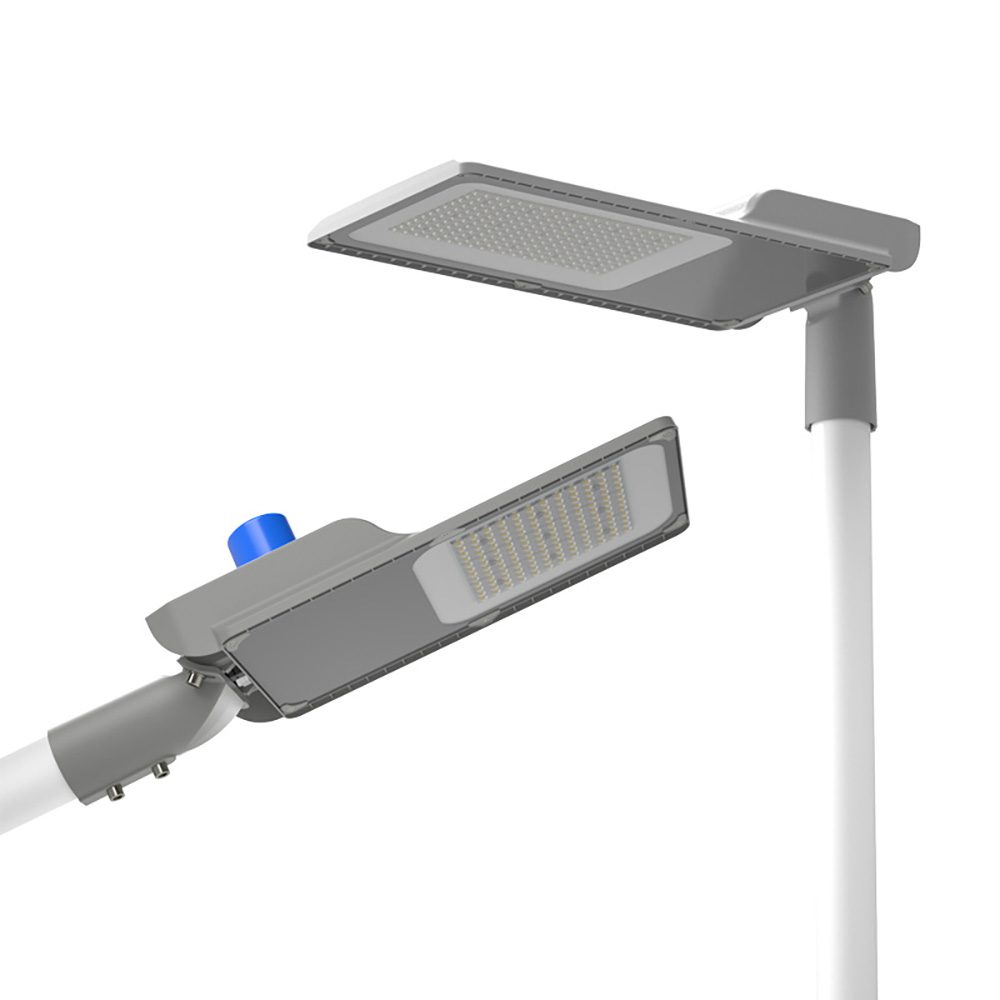
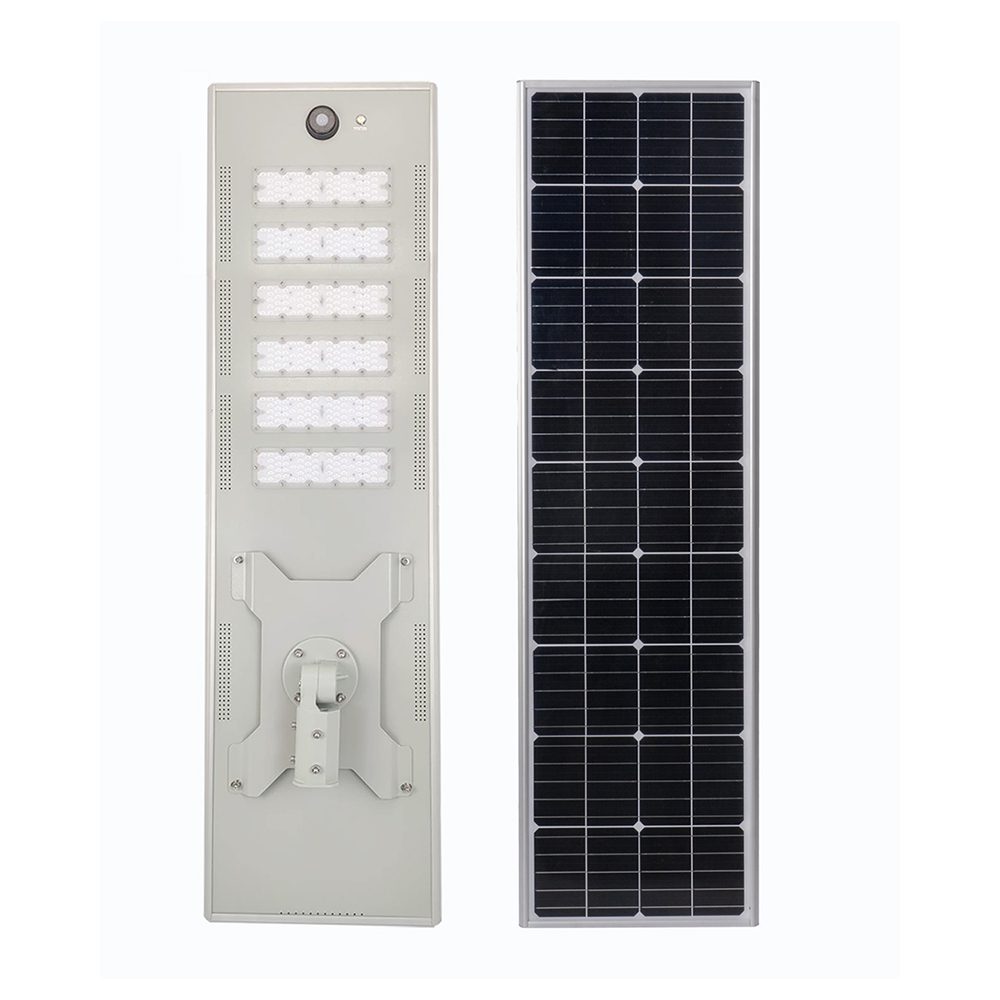
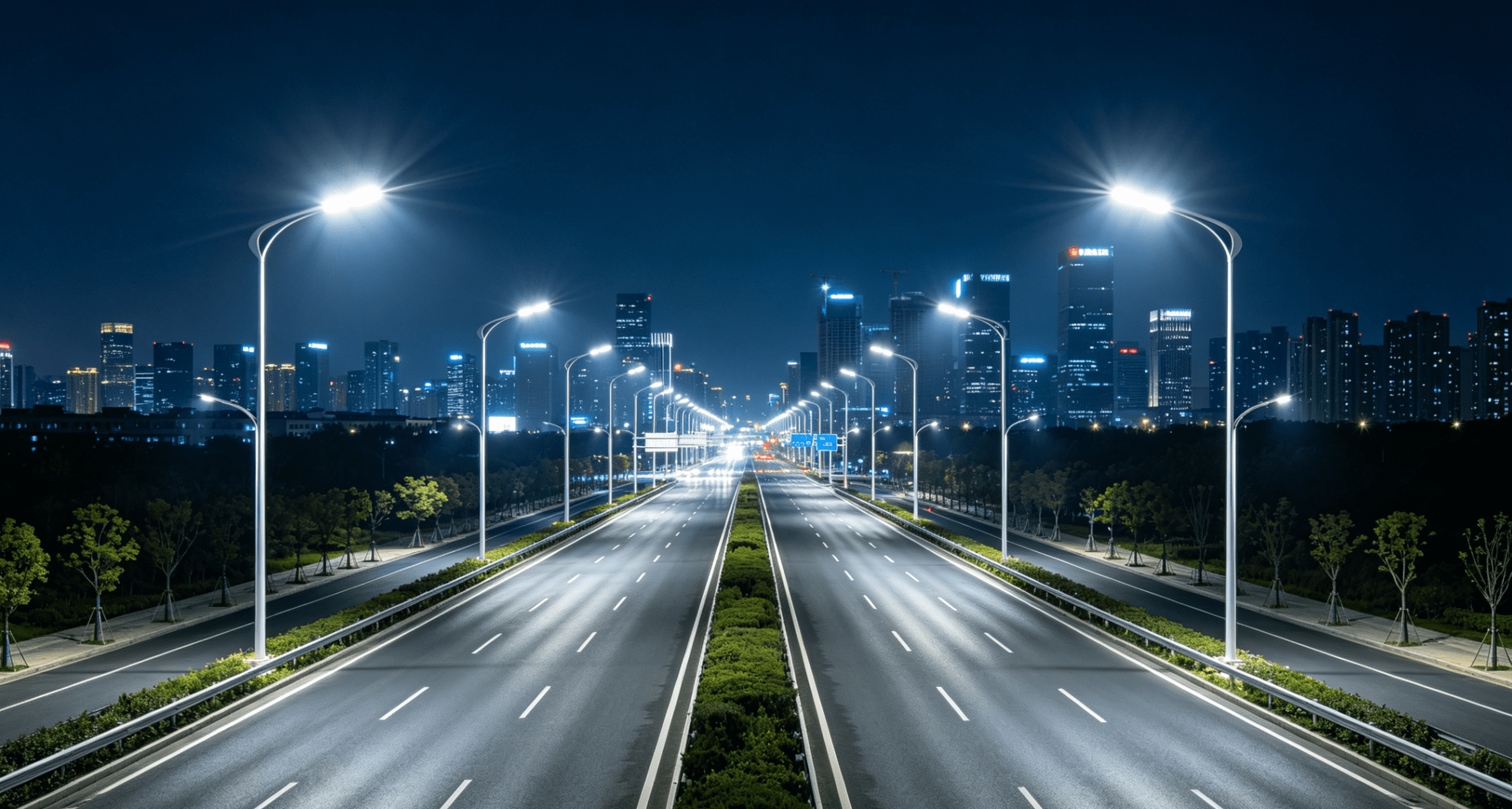
Typical applications include outdoor and industrial environments such as street lighting, parking lots, warehouses, and general flood lighting.
In these scenarios, the main purpose of lighting is safety and visibility rather than color recognition. For example, in road lighting or large industrial yards, users mainly need clear visibility of obstacles, roads, and surroundings, not precise color reproduction.
Therefore, CRI 70 is often chosen for large-scale projects where energy savings and long-term operating costs are key concerns.
4. CRI 80: The Most Balanced and Widely Used Option
CRI 80 is currently the most common standard in commercial and outdoor lighting because it offers a good balance between color quality and efficiency.
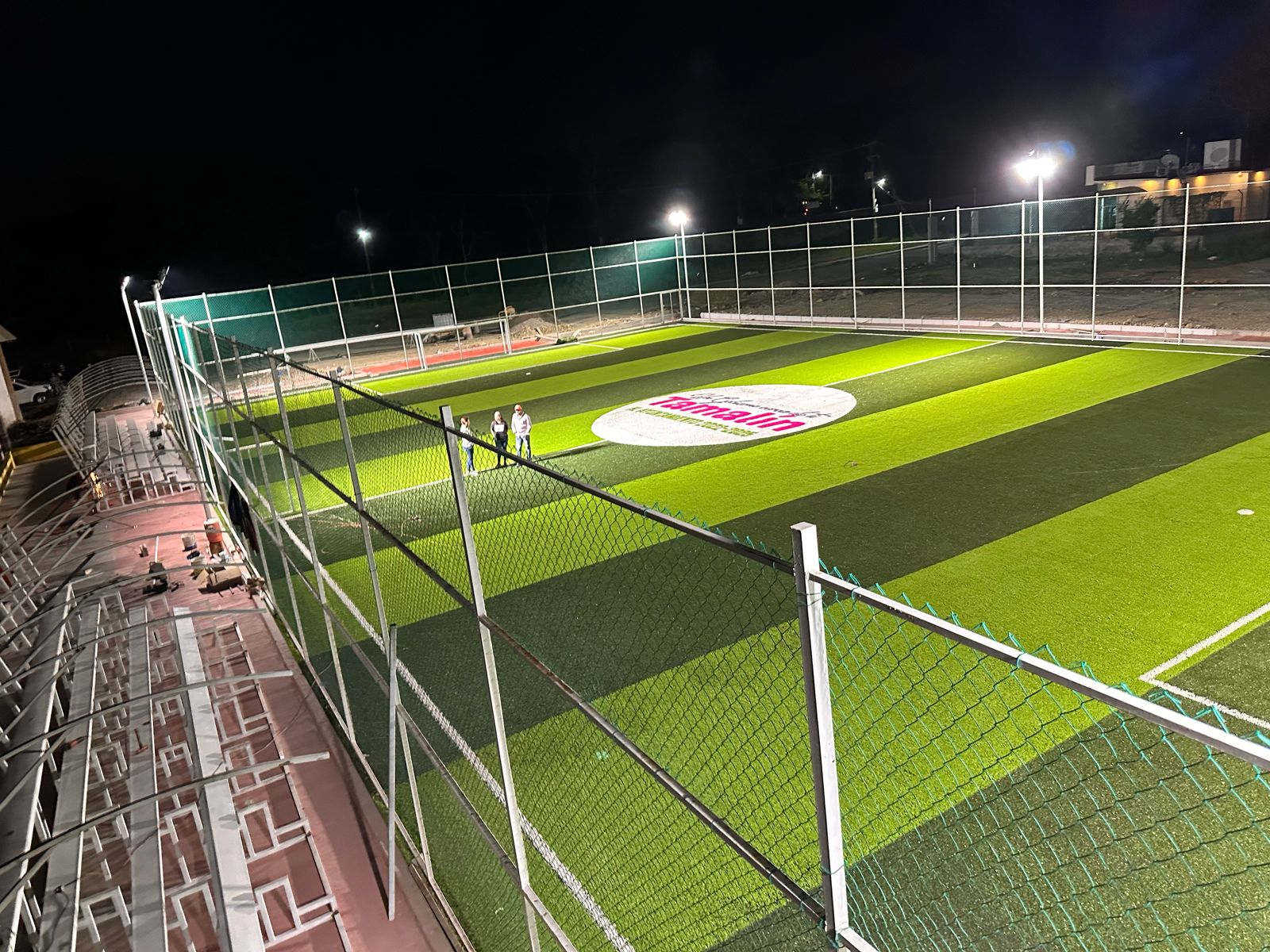
It is widely used in urban roads, residential streets, parking lots, sports lighting, schools, parks, and commercial buildings.
In these environments, users benefit from improved visual comfort and more natural color appearance without significantly sacrificing energy efficiency. For example, in sports lighting, CRI 80 helps improve visibility of players, uniforms, and ball movement while maintaining efficient power consumption for long operating hours.
Because of its balanced performance, CRI 80 has become the default choice for many international lighting projects.
5. CRI 90: High Color Quality for Visual-Focused Applications
CRI 90 is designed for applications where visual appearance and color accuracy are more important than maximum energy efficiency.
It is commonly used in retail stores, shopping malls, hotels, exhibition halls, architectural lighting, and decorative landscape lighting.
In these environments, lighting plays a key role in presentation and atmosphere. High CRI lighting makes objects appear more natural, vibrant, and visually appealing, which improves customer experience and design quality.
However, CRI 90 products usually come with lower luminous efficiency and higher cost compared to CRI 70 and CRI 80 options. Therefore, they are typically used in selective, high-value applications rather than large-scale functional lighting projects.
6. How to Choose the Right CRI for Your Project
Selecting CRI should always be based on application requirements rather than pursuing the highest value.
A practical selection approach is:
- CRI 70: Best for cost-efficient and high-output functional lighting
- CRI 80: Best for general-purpose and balanced lighting projects
- CRI 90: Best for visual quality and decorative applications
For most outdoor lighting projects such as roads, parking lots, and industrial areas, CRI 70–80 is usually sufficient. For commercial spaces and architectural environments, CRI 80–90 provides better visual performance.
It is also important to consider system-level design. A well-optimized CRI 80 lighting system can often deliver better real-world performance than a poorly designed CRI 90 product.
7. Conclusion
CRI and luminous efficiency are not competing indicators, but rather a technical balance that must be adjusted according to application needs. Higher CRI improves visual quality but often reduces efficiency, while lower CRI improves energy performance but reduces color accuracy.
CRI 70 is ideal for high-efficiency functional lighting, CRI 80 offers the best overall balance for most outdoor and commercial applications, and CRI 90 is suitable for environments where visual experience is a priority.
For professional lighting projects, the key is not choosing the highest specification, but selecting the most suitable combination of performance, efficiency, and application requirements. This ensures better energy use, optimized cost, and improved lighting experience in real-world installations.