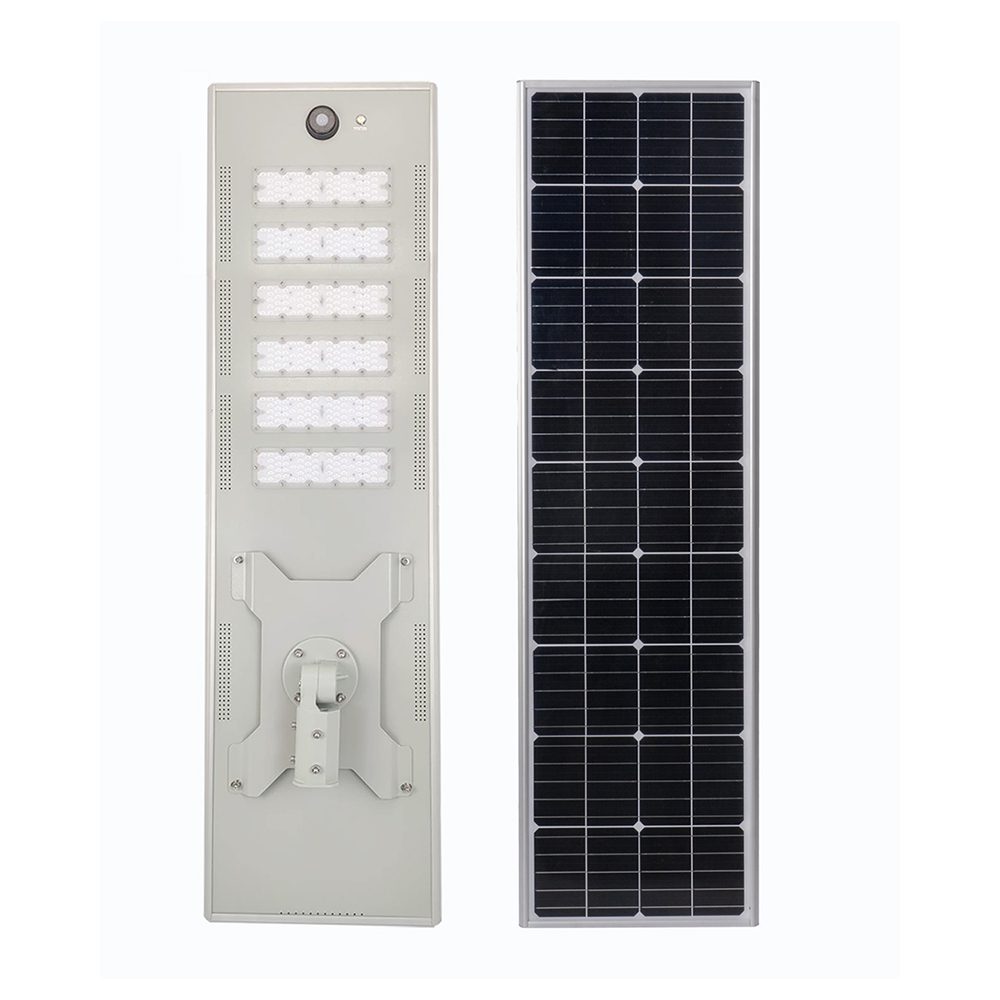

The global lighting industry in 2026 is undergoing a noticeable shift. While LED technology continues to mature and energy-efficient lighting remains in high demand, the cost structure behind these products is changing rapidly.
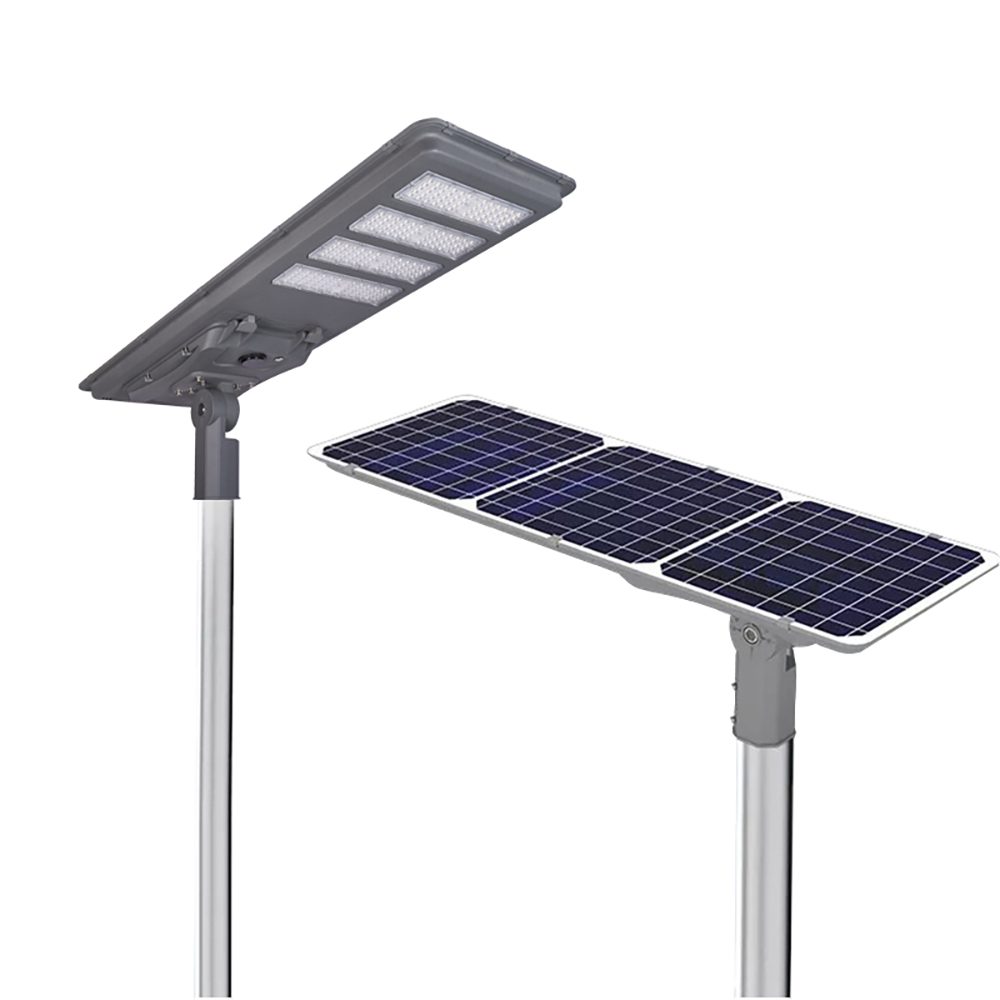
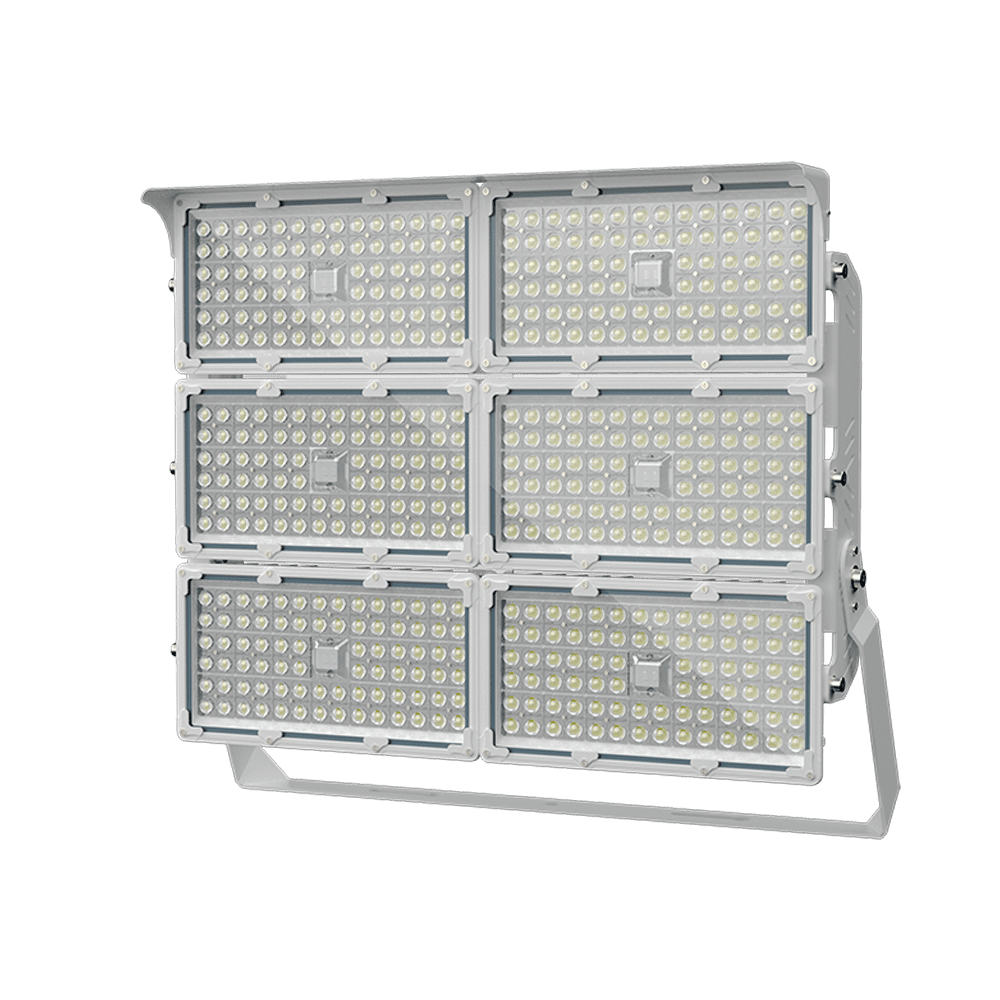
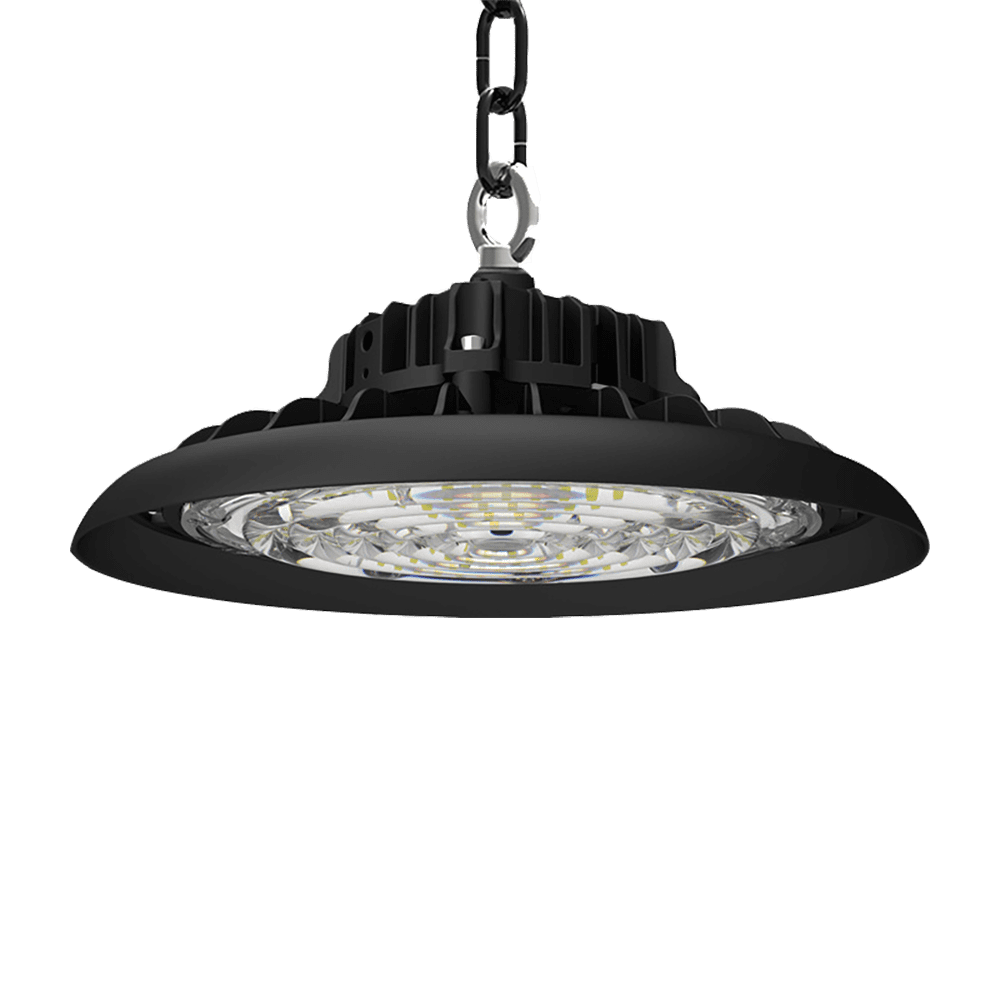
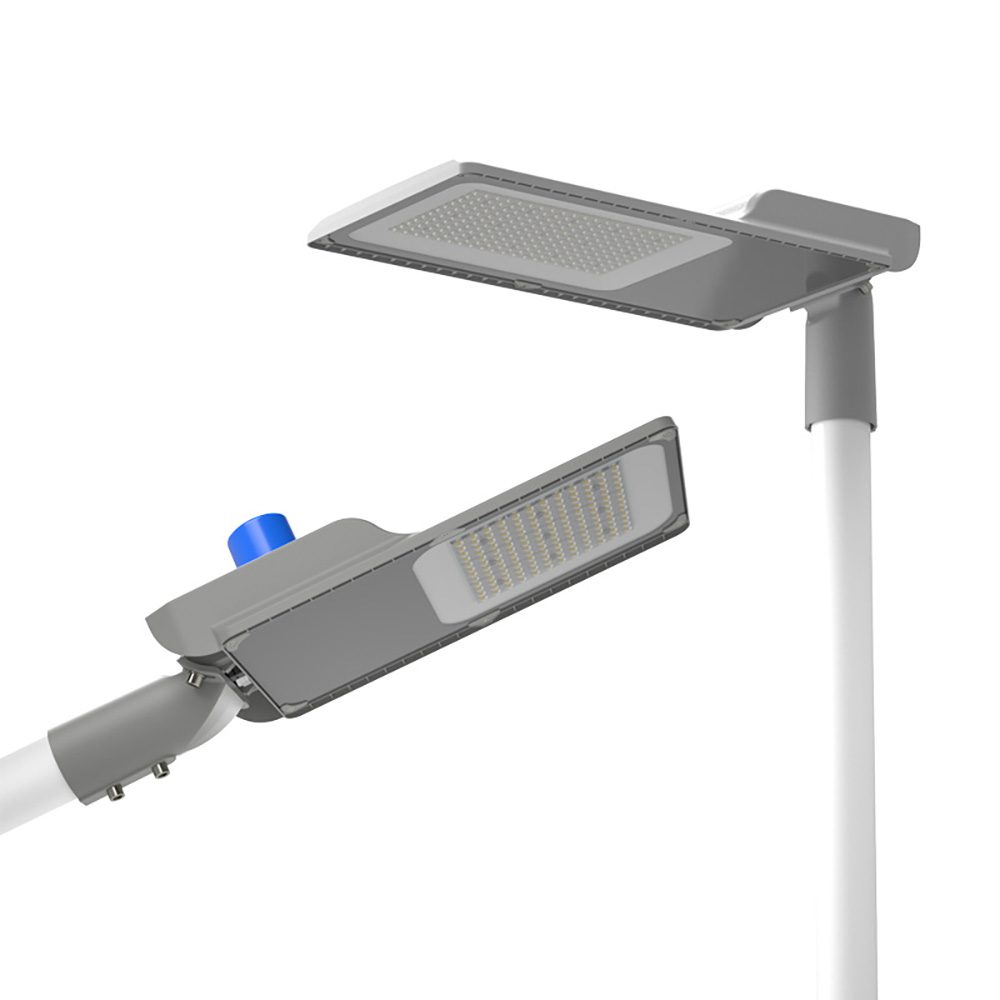
Across the market, manufacturers of solar street lights, AC street lights, floodlights, high bay lights, and gas station lighting are facing increasing pressure from multiple directions. As a result, price adjustments are becoming more common throughout the industry.
Rather than viewing this as a short-term fluctuation, it is more accurate to see it as part of a broader transformation in the global supply chain and energy landscape. In this article, we aim to provide a clearer picture of what is happening — and what it means for your business.
1. From Stable Growth to Cost Pressure: What Has Changed?
Over the past few years, the lighting industry has benefited from relatively stable production costs and rapid technological advancement. However, in 2026, several underlying factors have begun to reshape this balance.
First, global demand for key industrial materials has increased significantly, driven by sectors such as renewable energy, infrastructure development, and electric mobility. These industries compete for the same resources used in lighting manufacturing.
At the same time, the push for higher efficiency and smarter lighting systems has increased the technical requirements of components. This means that manufacturers are not only dealing with higher costs, but also higher standards.
The result is a clear shift: the era of consistently declining lighting prices has slowed, and in some cases, reversed.
2. It’s Not Just Materials — It’s the Entire Supply Chain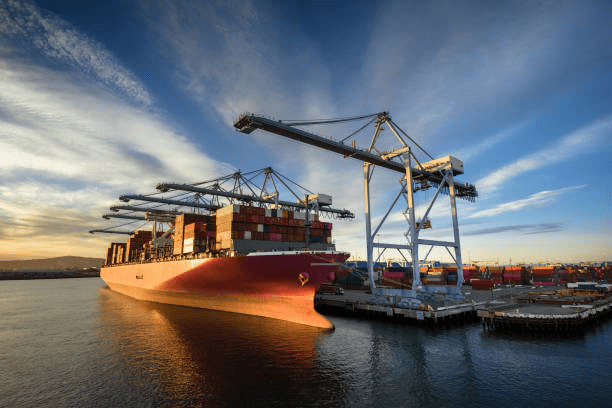
While raw materials like aluminum, electronic components, and batteries are often mentioned, the real impact comes from the combined effect of the entire supply chain.
- Upstream pressure: Energy costs and resource demand are influencing production at the source
- Component complexity: More advanced intelligent and control systems increase costs and development requirements.
- Global logistics: Although more stable than before, transportation and lead times remain less predictable than in the past
This interconnected system means that even small fluctuations at different stages can accumulate into significant cost increases for finished lighting products.
3. A Turning Point for the Solar Lighting Segment
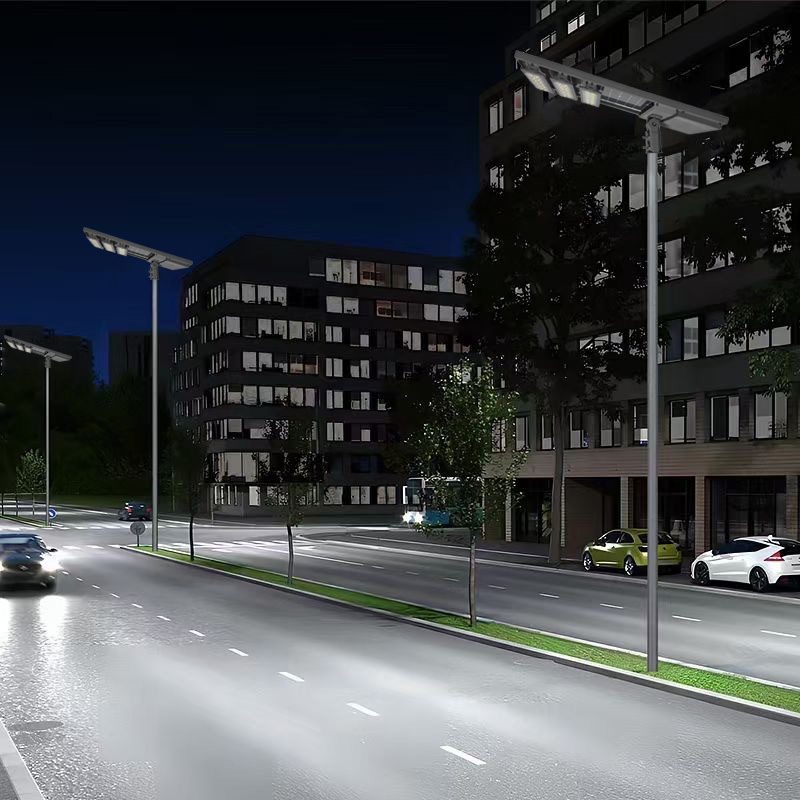
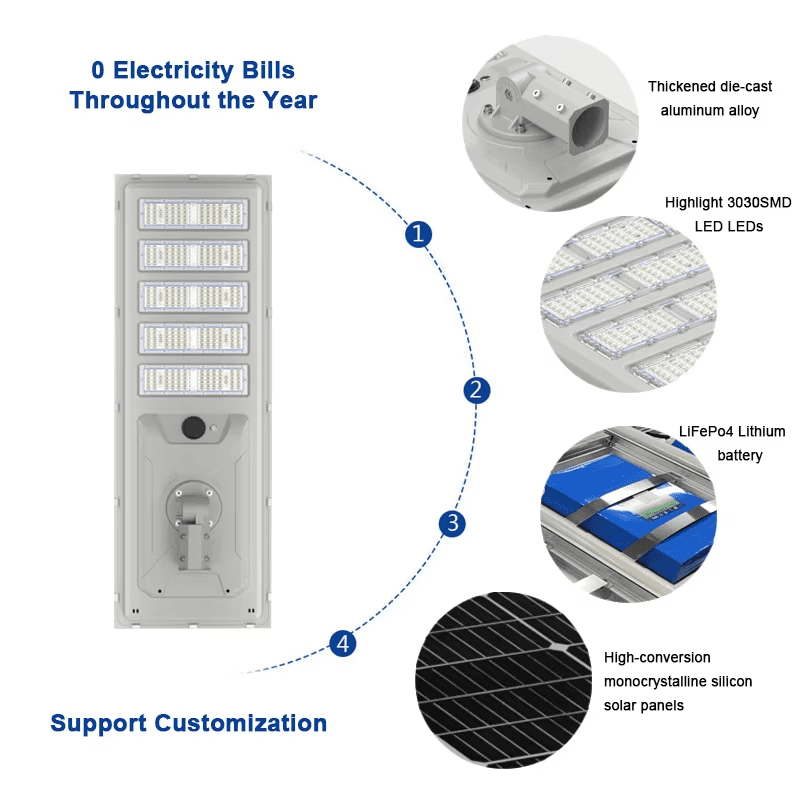
One of the most affected categories is solar lighting. With the global push toward sustainability, solar street lights are in higher demand than ever. However, this growth also places pressure on key components such as energy storage systems. In 2026, the solar lighting market is experiencing a transition:
- Demand is expanding faster than supply capacity in some regions
- Quality expectations for batteries and system stability are increasing
- Buyers are shifting from “low price focus” to “long-term performance focus”
This means that solar lighting is no longer just a budget-friendly alternative — it is becoming a technology-driven solution where quality and reliability matter more than ever.
4. What This Means for Buyers: A Shift in Purchasing Strategy
In this new environment, traditional purchasing strategies may no longer be sufficient. Buyers and project planners need to adapt to a more dynamic market.
- Timing Matters More Than Before
Price volatility means that delaying decisions can lead to higher costs. Early planning and confirmation can help secure more favorable conditions. - Value Over Price
Focusing only on the lowest quotation can be risky. Products with unstable drivers or lower-grade components may result in higher maintenance costs and shorter lifespan. - Stronger Supplier Collaboration
Working closely with reliable manufacturers allows for better forecasting, flexible solutions, and more transparent communication.
5. Our Perspective: Stability in an Unstable Market
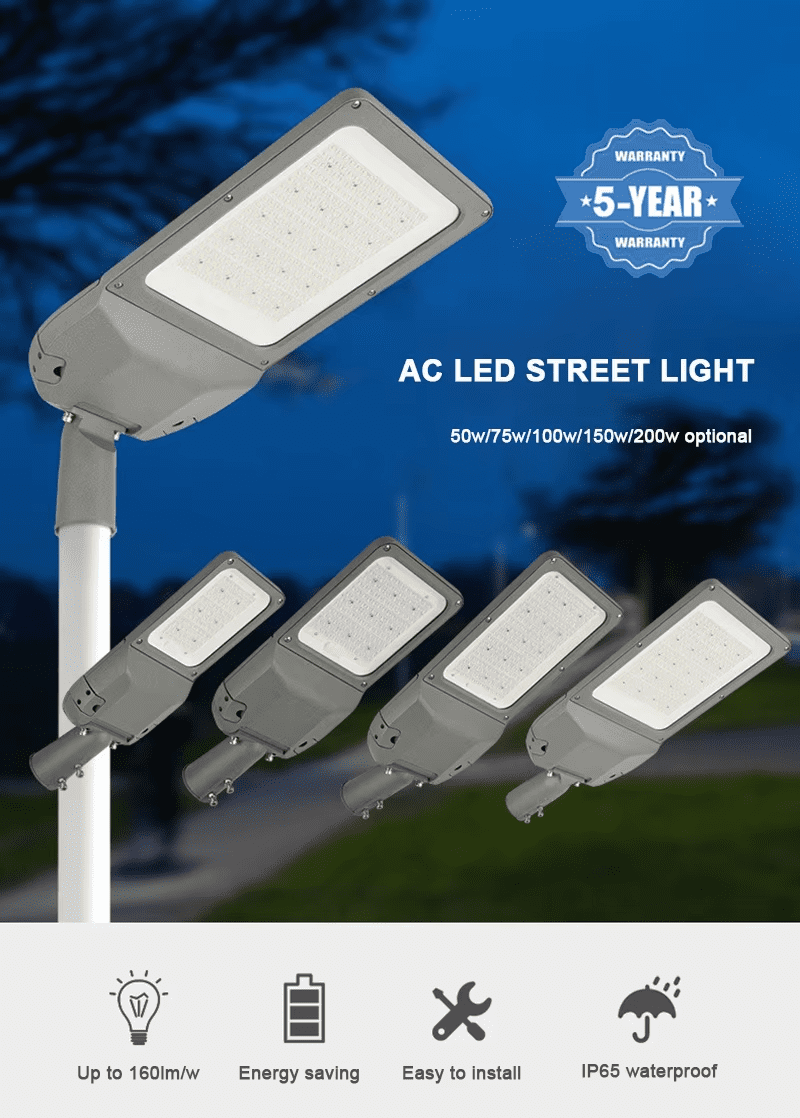
As a manufacturer deeply involved in both solar and AC lighting, we understand that price adjustments can be challenging for our partners. However, our approach remains consistent:
- We prioritize product reliability and long-term performance
- We maintain transparent communication regarding market changes
- We support customers with practical, cost-effective solutions tailored to their projects
Rather than simply reacting to cost increases, we focus on helping our clients navigate these changes with confidence.
Conclusion
The lighting industry in 2026 is not just experiencing a price increase — it is going through a structural shift. Rising costs, evolving technology, and changing market expectations are redefining how products are designed, manufactured, and purchased. For buyers, this is a time to move beyond short-term thinking and focus on long-term value. For manufacturers, it is a moment to reinforce quality, transparency, and partnership. While uncertainty remains, one thing is clear: those who adapt quickly and make informed decisions will be best positioned for success.