
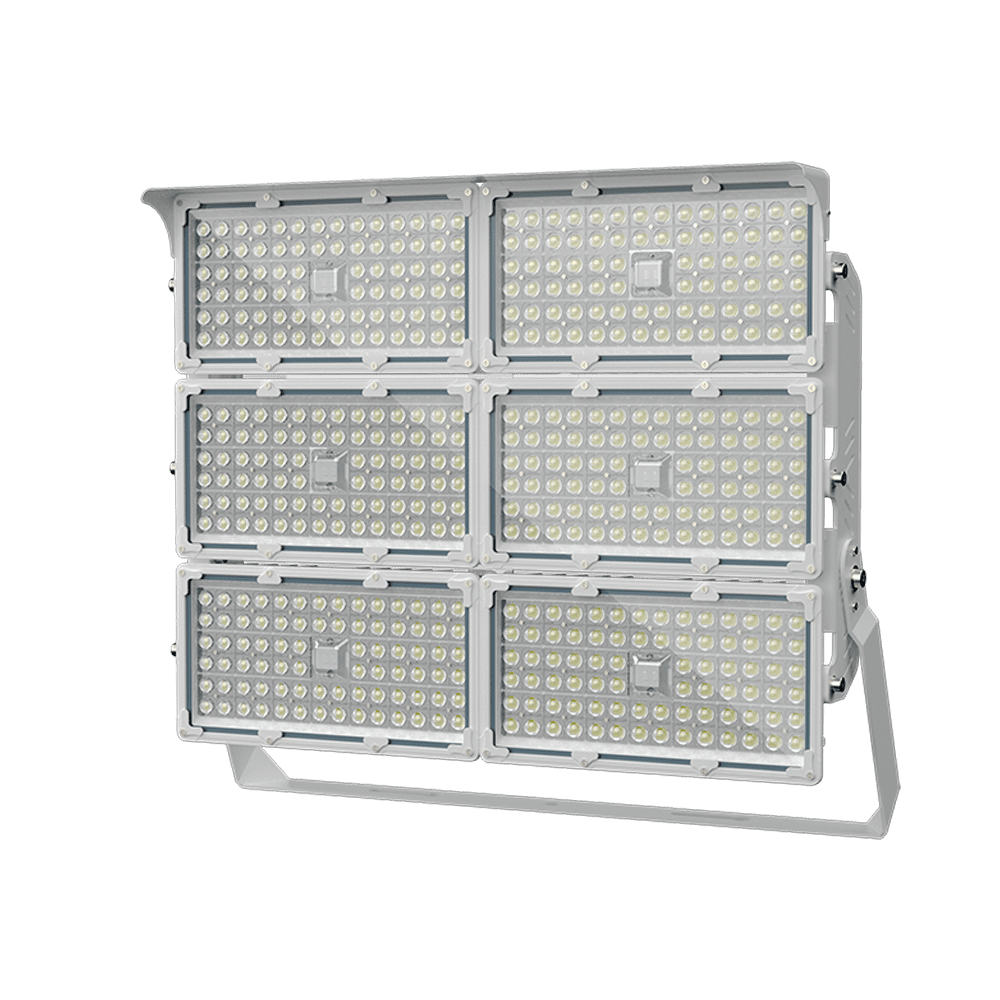
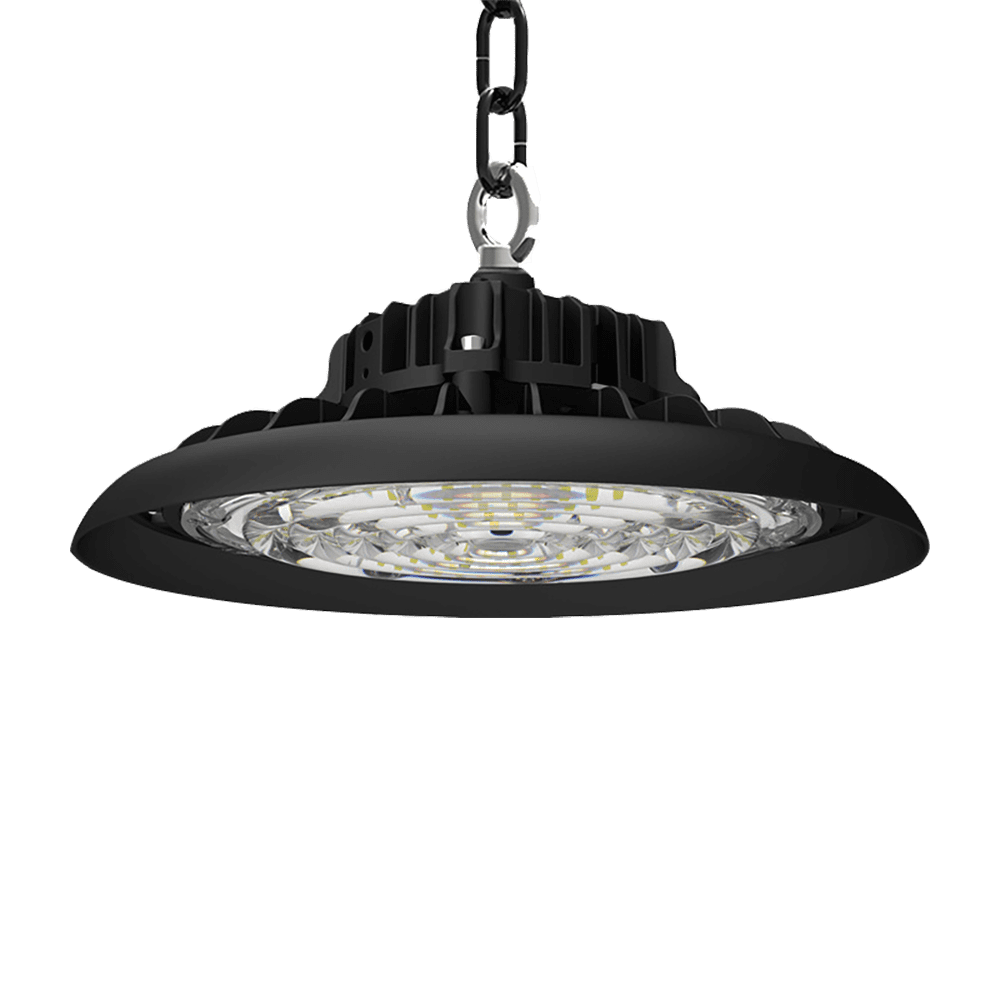
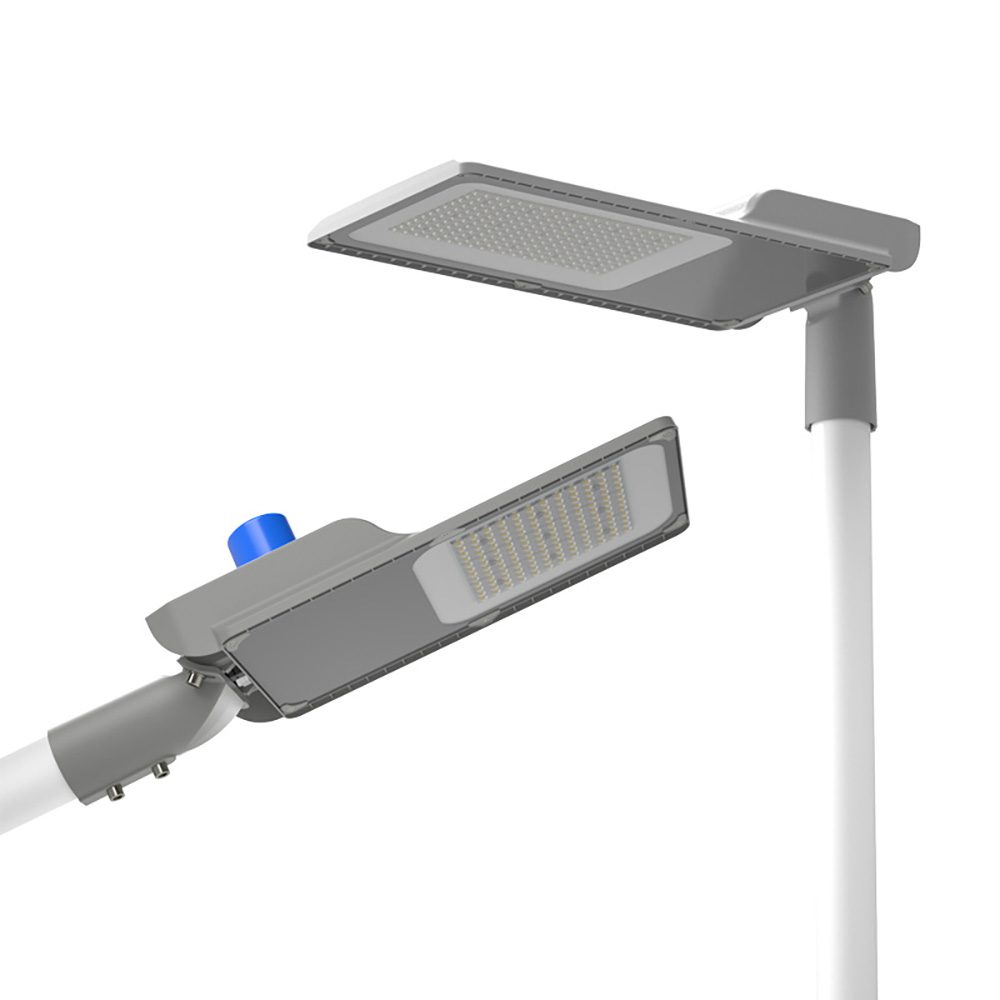
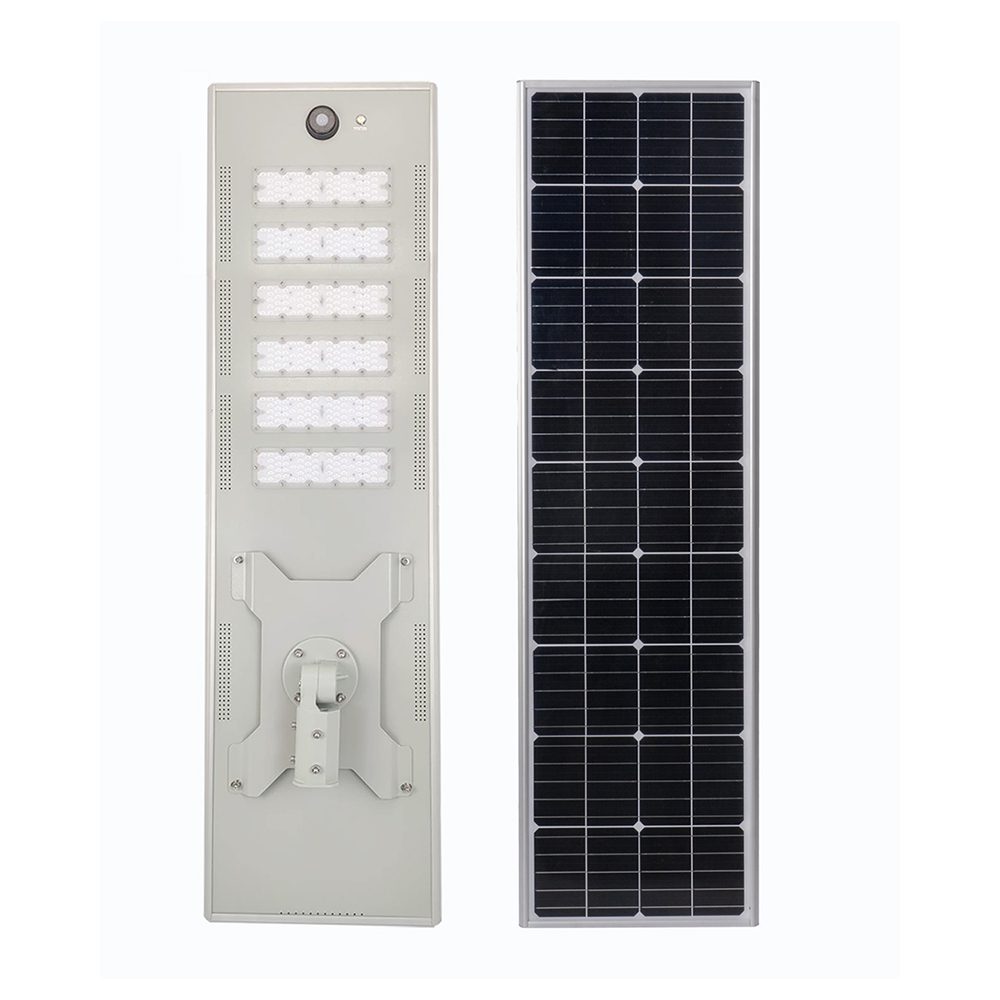

When selecting LED lighting fixtures, many customers often find themselves confused by various technical parameters. Among the most common terms are watts (W), lumens (lm), kilowatts (kW), and kilowatt-hours (kWh). Understanding these parameters not only helps customers make informed choices but also enhances their energy efficiency. In this article, we will provide an in-depth explanation of these parameters, their definitions, and their importance.
1.Watts (W)
Watts is the unit of electrical power, indicating the amount of energy consumed by a device per second. In LED lighting, the wattage is typically used as a measure of power consumption. For instance, a 10-watt LED fixture consumes 10 watts of electricity when operating for one hour.
Importance
Energy Efficiency Comparison: Customers can compare the energy consumption of different fixtures based on wattage, enabling them to select more energy-efficient products.
Electricity Cost Estimation: Knowing the wattage of a fixture allows customers to more accurately estimate their electricity expenses.
2.Lumens (lm)
Lumens is the unit of luminous flux, representing the total amount of visible light emitted by a fixture per second. Unlike watts, lumens focus on the brightness of the fixture rather than its energy consumption. A higher lumen value generally indicates a brighter light, but it also depends on the efficiency of the fixture’s design.
Importance
Lighting Requirements: Customers can choose fixtures with appropriate lumen values based on their actual needs. For example, work environments may require higher brightness, whereas home living spaces might need softer lighting.
Performance Assessment: By comparing lumens and watts, customers can evaluate the luminous efficacy (lumens/watt), allowing them to select products with better value for money.
3.Kilowatts (kW)
Kilowatts is a unit representing a thousand watts, commonly used to measure larger power consumption. While watts are frequently used in daily life, kilowatts are more common in large commercial lighting or building projects.
Importance
Large Projects: For large enterprises and building projects, understanding the total kW demand can aid in better planning electrical supply and safety.
Future-Proofing: In research and development of new products, calculating kW can help manufacturers improve energy efficiency to meet evolving customer needs.
4.Kilowatt-Hours (kWh)
Kilowatt-hours is a unit used to represent energy consumption, defined as the amount of energy consumed by a one-kilowatt device operating for one hour. This value is often used for billing purposes.
Importance
Electricity Cost Calculation: Understanding the concept of kilowatt-hours helps customers better comprehend their electricity bills. By calculating the kilowatt-hours used, customers can clearly see the long-term costs associated with each type of fixture.
Energy Efficiency Optimization: By analyzing kWh data, customers can identify high-energy-consuming devices, allowing them to optimize and reduce energy consumption.

When selecting LED lighting fixtures, the parameters of watts, lumens, kilowatts, and kilowatt-hours each play a crucial role. They not only impact the efficiency and brightness of the fixtures but also relate to actual electricity expenditures. As a lighting manufacturer, we are committed to providing comprehensive product information to assist customers in making informed purchasing decisions.
By clearly marking these parameters in product descriptions and offering usage suggestions, we aim to enhance consumer understanding, helping them find the best balance between lighting effectiveness and energy conservation. Ultimately, we hope every customer experiences greater quality and value in their lighting choices.