
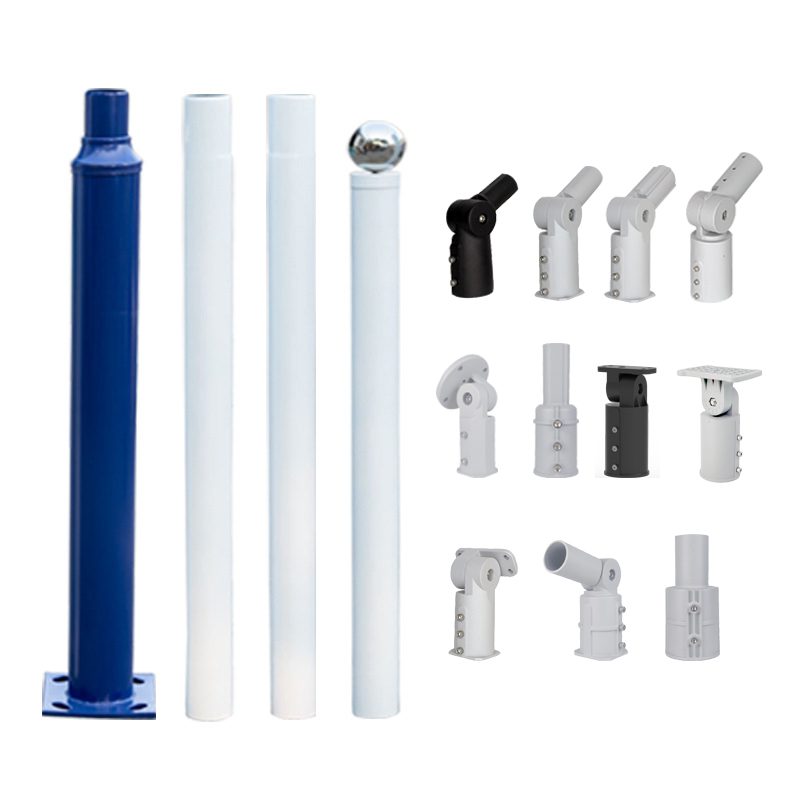
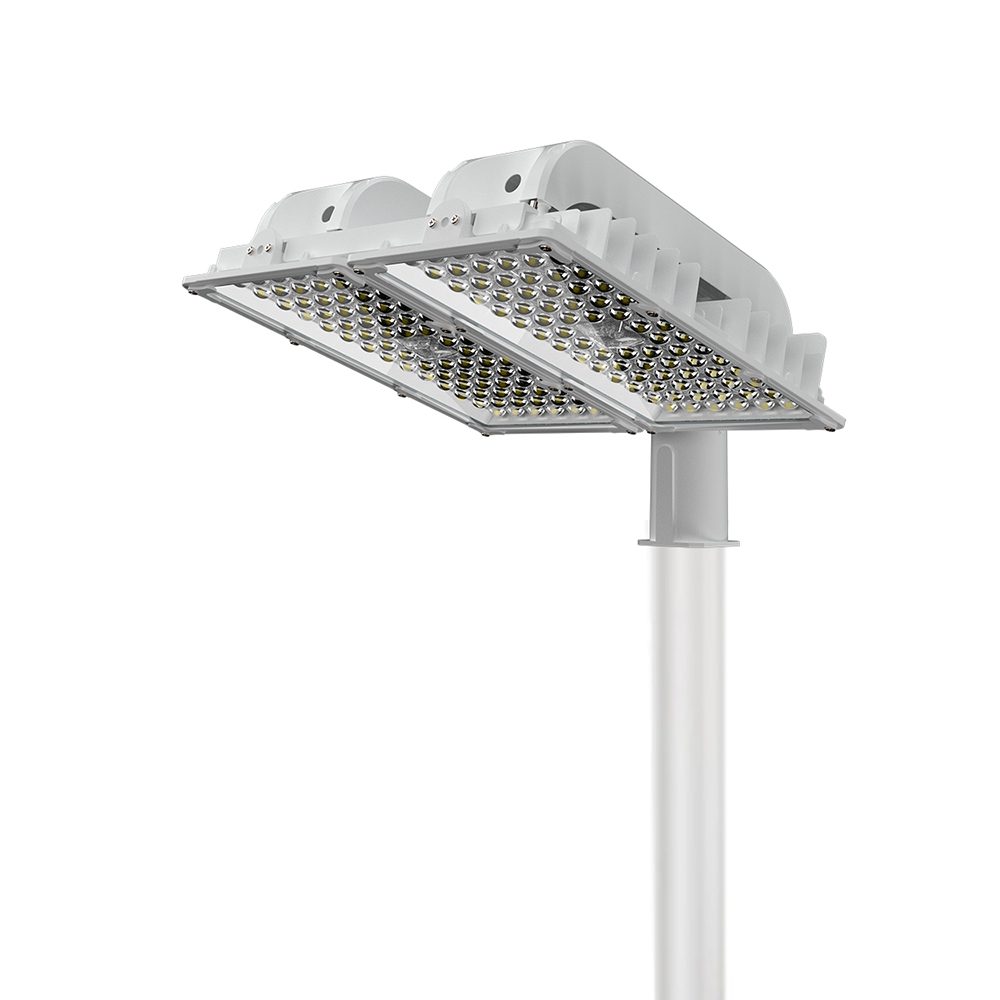
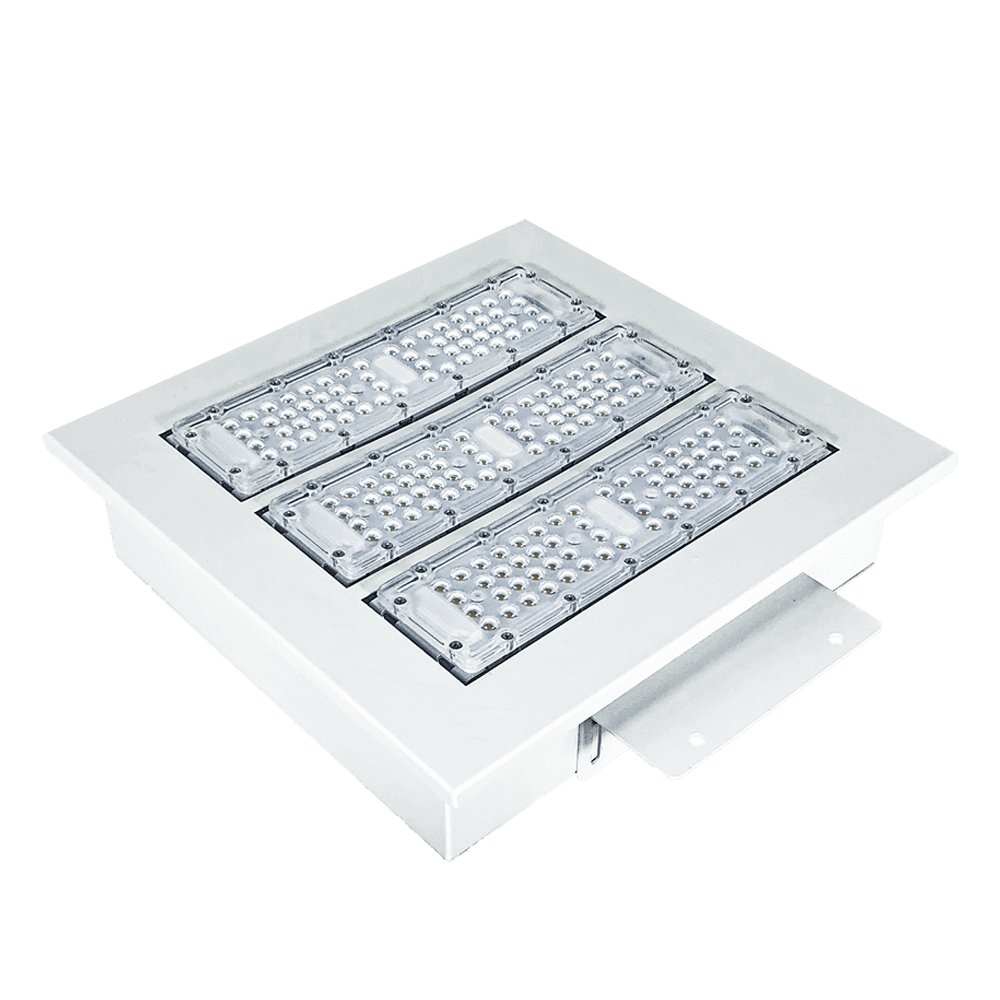
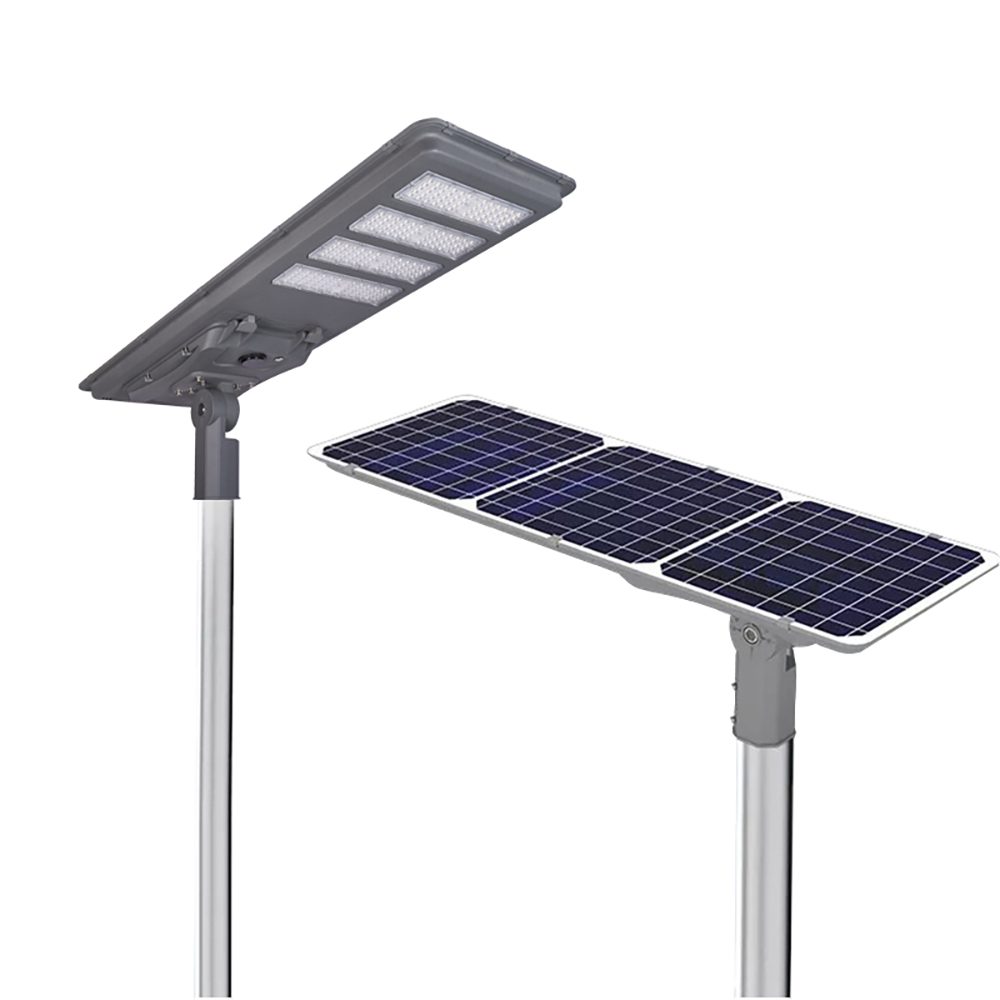
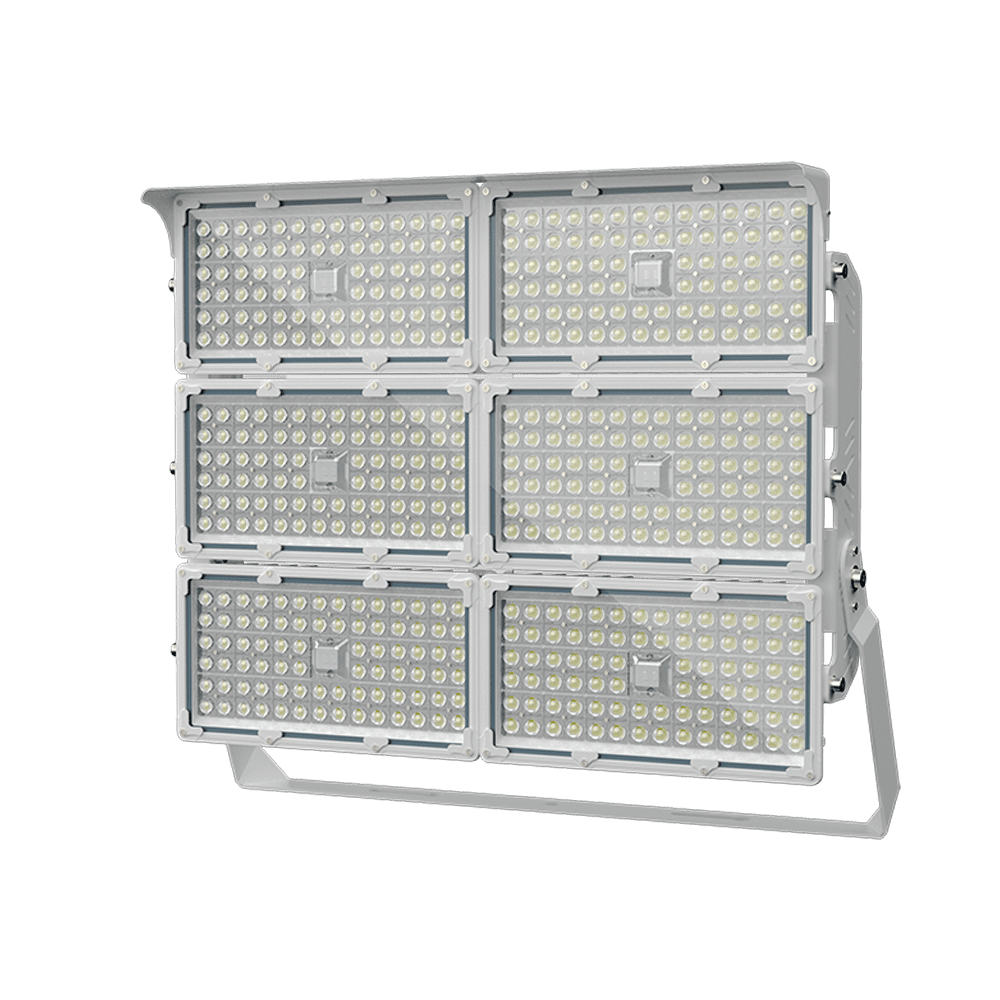
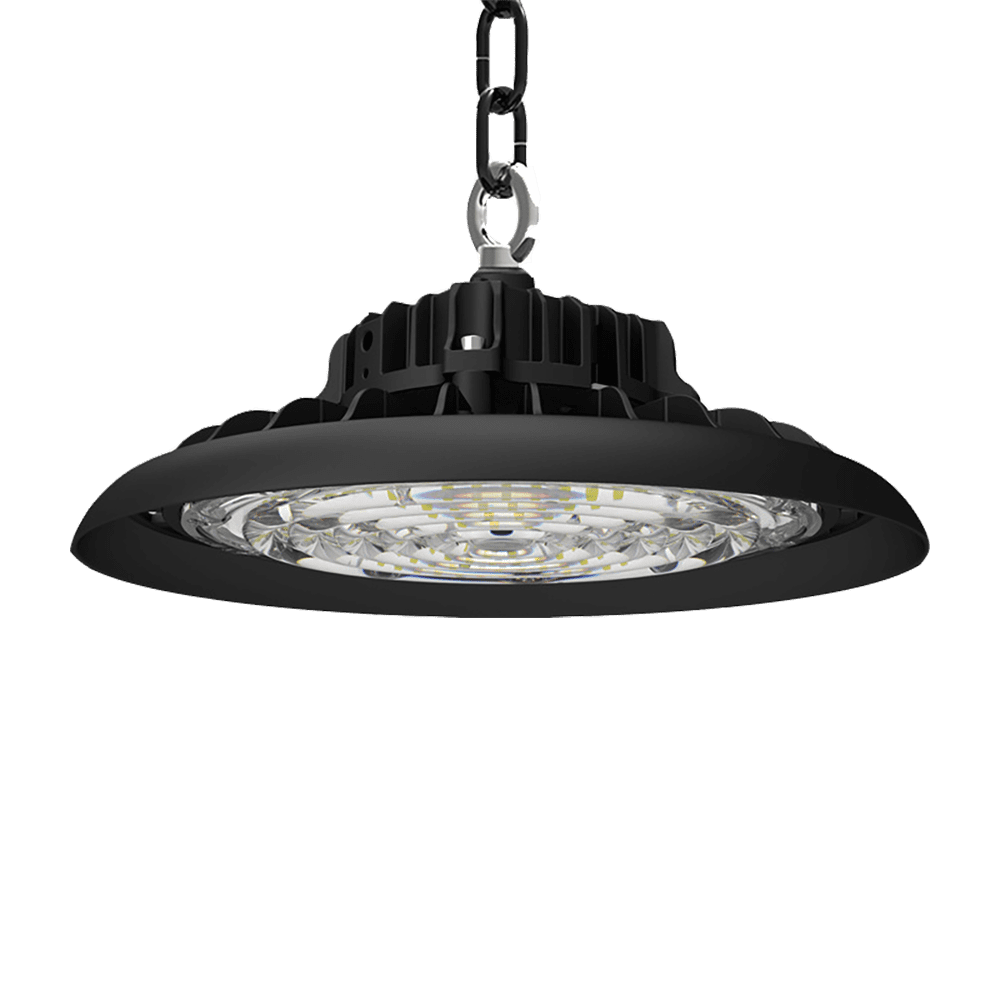
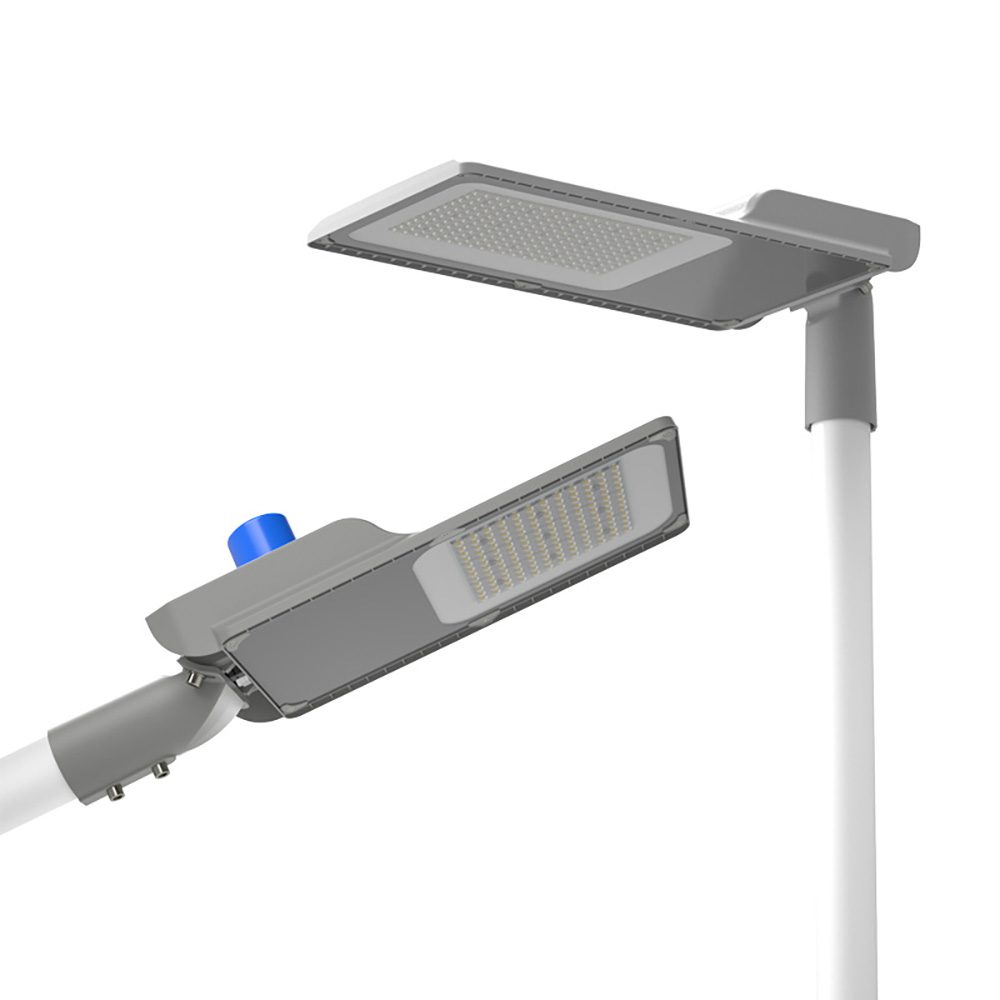
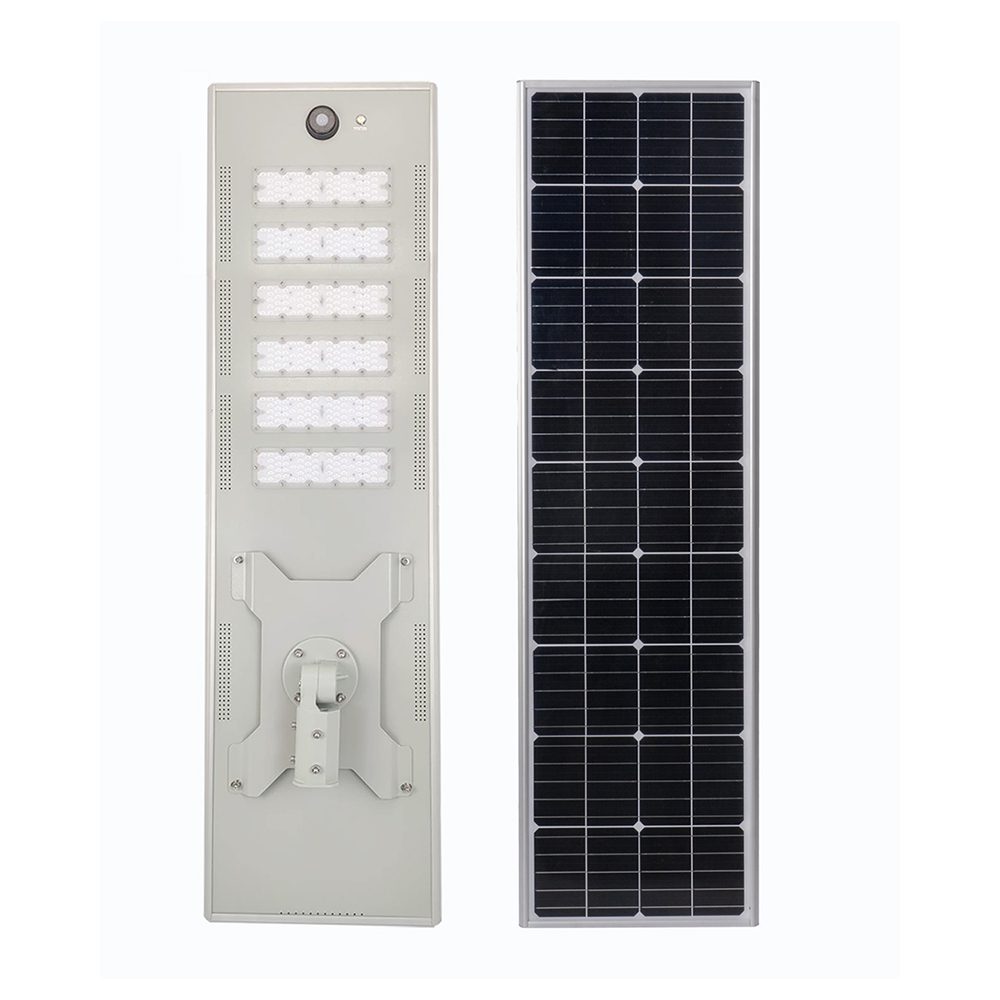

With the increasing popularity of motorsport, the demand for lighting at race tracks has also grown. Proper lighting not only enhances the viewing experience for spectators but also ensures the safety of drivers and attendees. In this context, selecting the right LED fixtures is crucial. As a professional outdoor lighting manufacturer, we recommend using LED flood lights to meet the lighting requirements for race tracks. Below are our detailed recommendations and explanations for choosing LED flood lights.
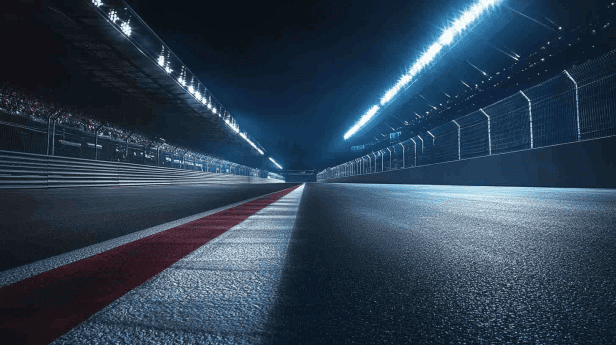
1.Determine Lighting Needs
1.1 Brightness Requirements
Brightness is a key factor in ensuring smooth operations at race tracks. According to the standards set by the Fédération Internationale de l’Automobile (FIA), track lighting typically needs to achieve brightness levels of at least 500 to 1000 lumens per square meter. For night races or special events, these brightness requirements may increase. By selecting appropriate flood lights, you can ensure that the track remains well-lit in any conditions.
1.2 Uniformity of Lighting
In addition to brightness, the uniformity of lighting is also important. Flood lights should provide even light coverage, avoiding dark spots and overly bright areas. Good lighting uniformity helps drivers accurately assess track conditions, enhancing safety during the event.
2.Advantages of LED Flood Lights
2.1 High Energy Efficiency
LED flood lights are widely favored for their energy efficiency. Compared to traditional halogen or metal halide lights, LED fixtures can convert over 90% of electrical energy into light, significantly reducing operating costs. Additionally, they have a lifespan of over 50,000 hours, which minimizes replacement and maintenance expenses.
2.2 Low Heat Emission
LED lighting generates less heat, helping to lower the temperature of the venue and reducing safety hazards associated with heat accumulation. This is particularly important in motorsport, where safety is a paramount concern.
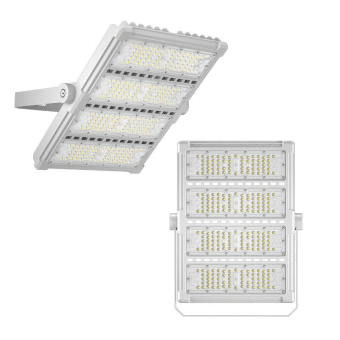
2.3 Shock Resistance and Durability
Race tracks often experience intense vibrations and changing weather conditions. Our LED flood lights are made from high-durability materials, providing excellent shock resistance and waterproofing capabilities to ensure reliable operation in harsh environments.
3.Selecting the Right Flood Lights
3.1 Power and Lumen Output
When choosing LED flood lights, calculate the required wattage based on the lighting needs. For example, if the track area is 5,000 square meters with a desired illumination level of 500 lumens per square meter, the total lumen requirement would be 2,500,000 lumens. If using 100-watt flood lights, each providing about 10,000 lumens, at least 250 lights would be needed to meet the requirement.
3.2 Installation Height and Angle
The height and angle of installation directly affect lighting effectiveness. Ideally, flood lights should be installed between 15 to 30 feet high, with a beam angle set at 30 to 45 degrees to maximize target area coverage and minimize shadows.
4.Advanced Control Systems
Modern LED flood lights can also be equipped with smart control systems. By adjusting the positioning and intensity of the lights, track operators can customize the lighting settings for different events, enhancing the viewing experience.
Choosing the right LED flood lights is crucial for improving the quality of lighting at race tracks. As a manufacturer dedicated to providing high-quality outdoor lighting, our LED flood lights are an ideal choice due to their energy efficiency, durability, and excellent lighting performance. With the right configurations and smart control systems, we can help clients create a safe, comfortable, and efficient lighting solution for race tracks. We look forward to the opportunity to collaborate with you to enhance the excitement and safety of motorsport.