
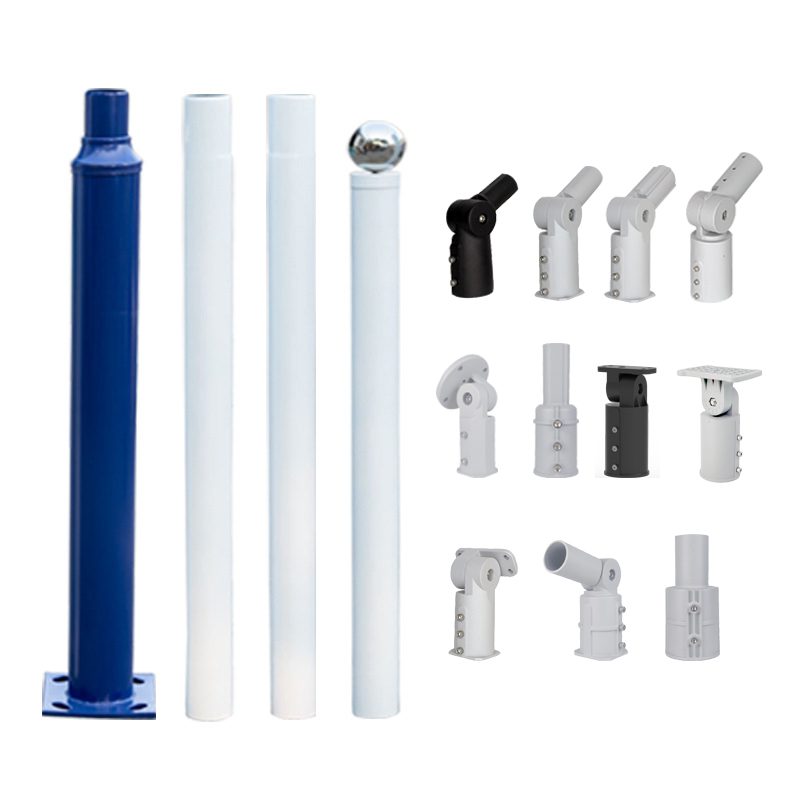
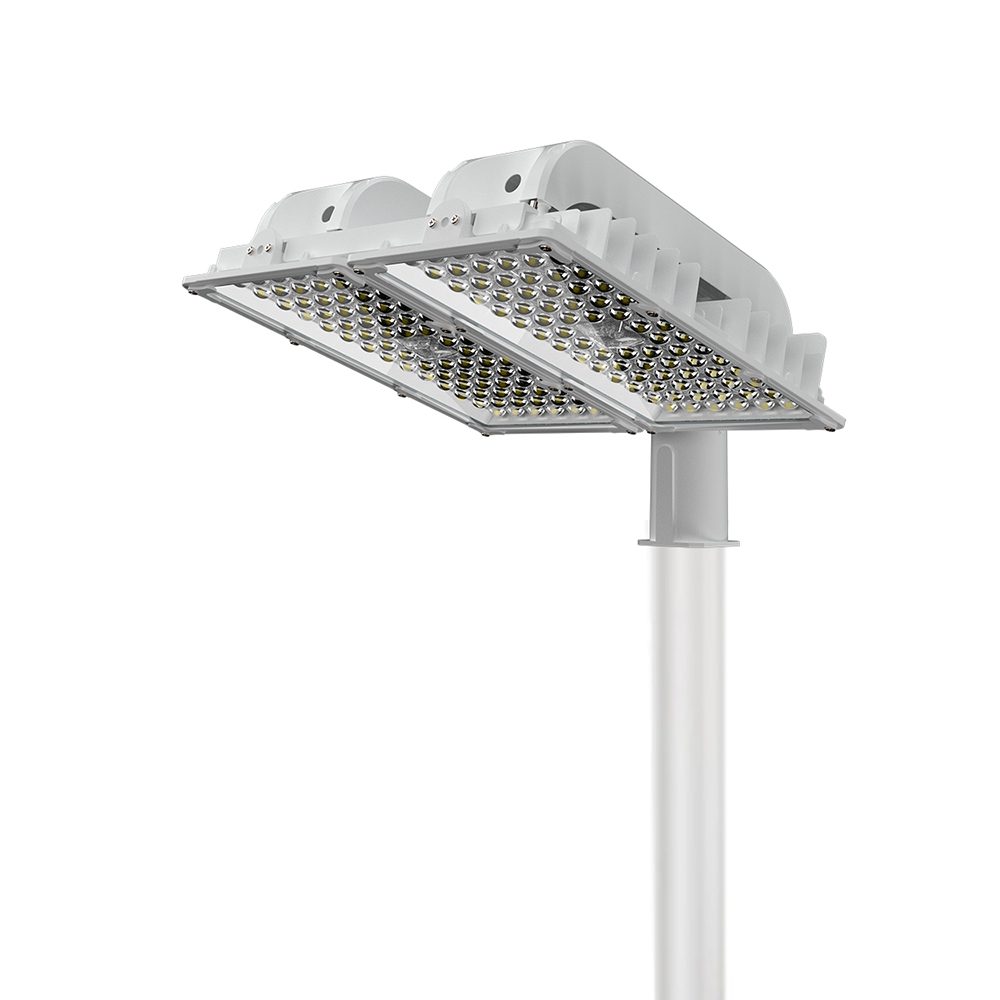
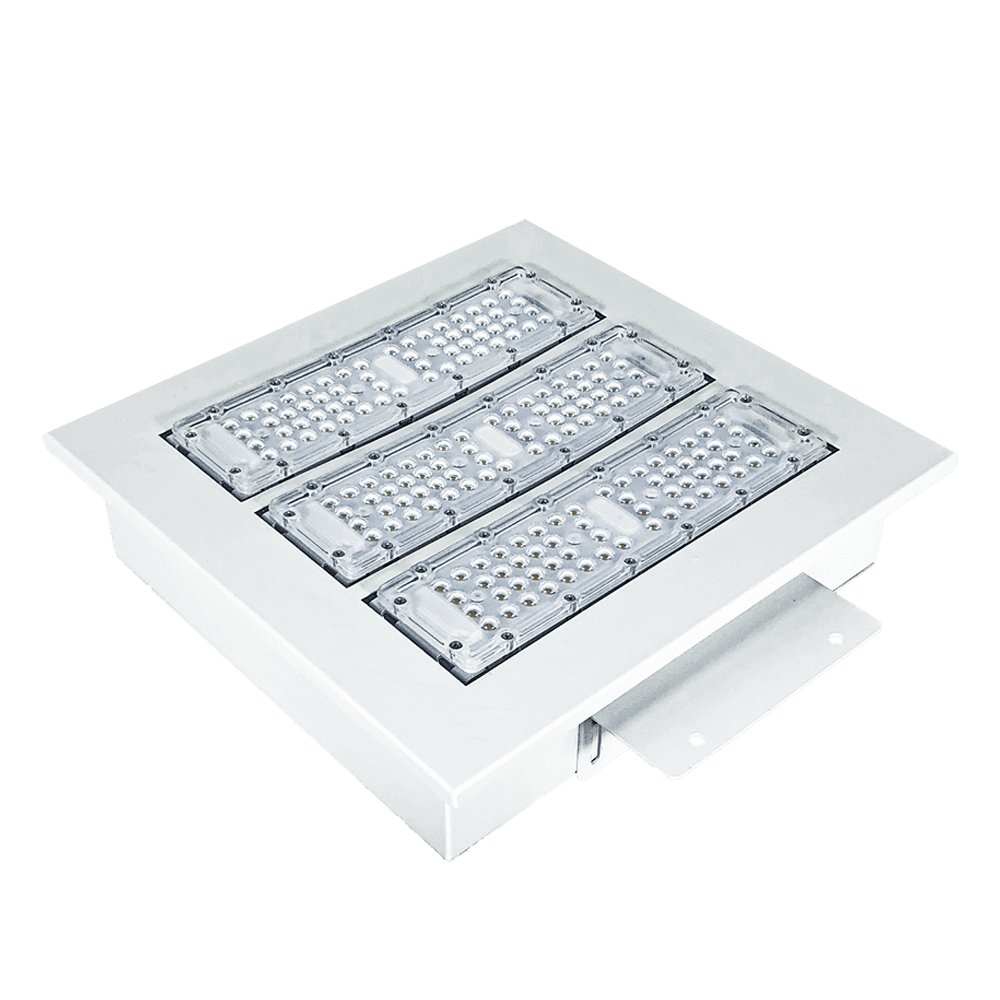
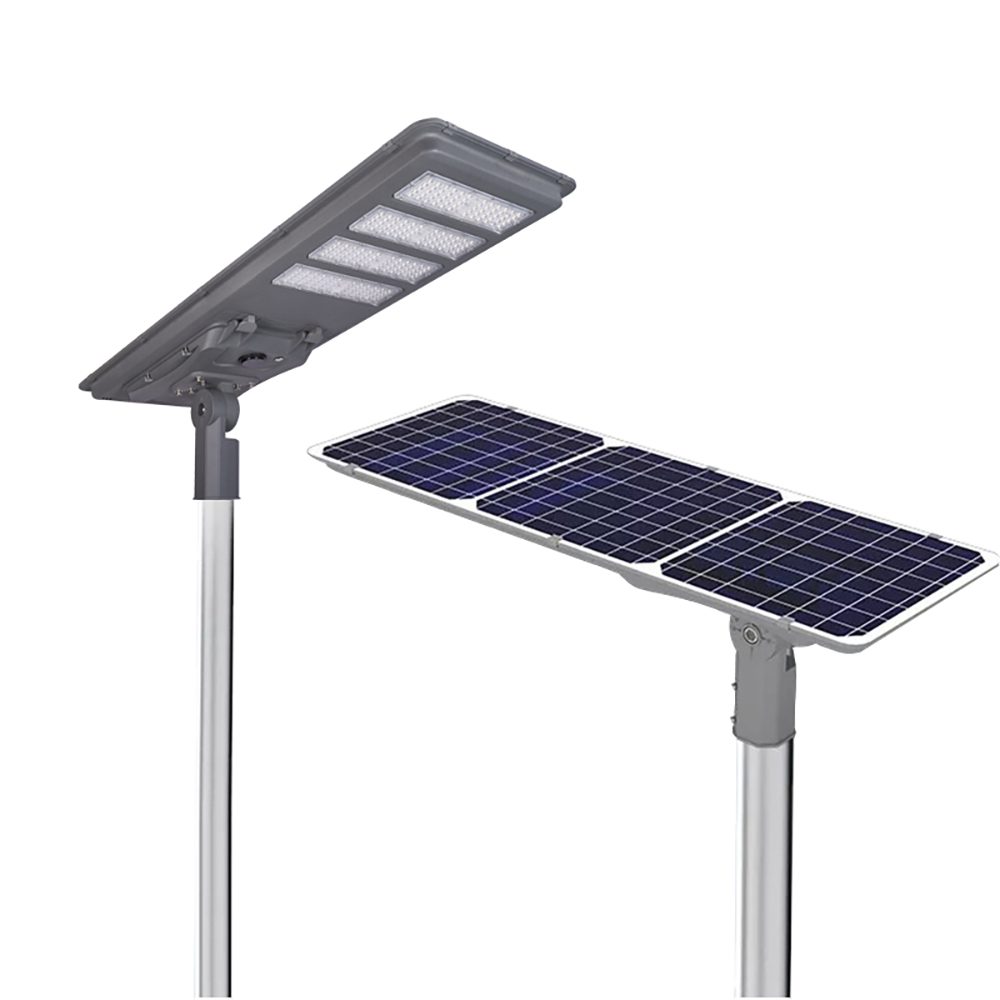
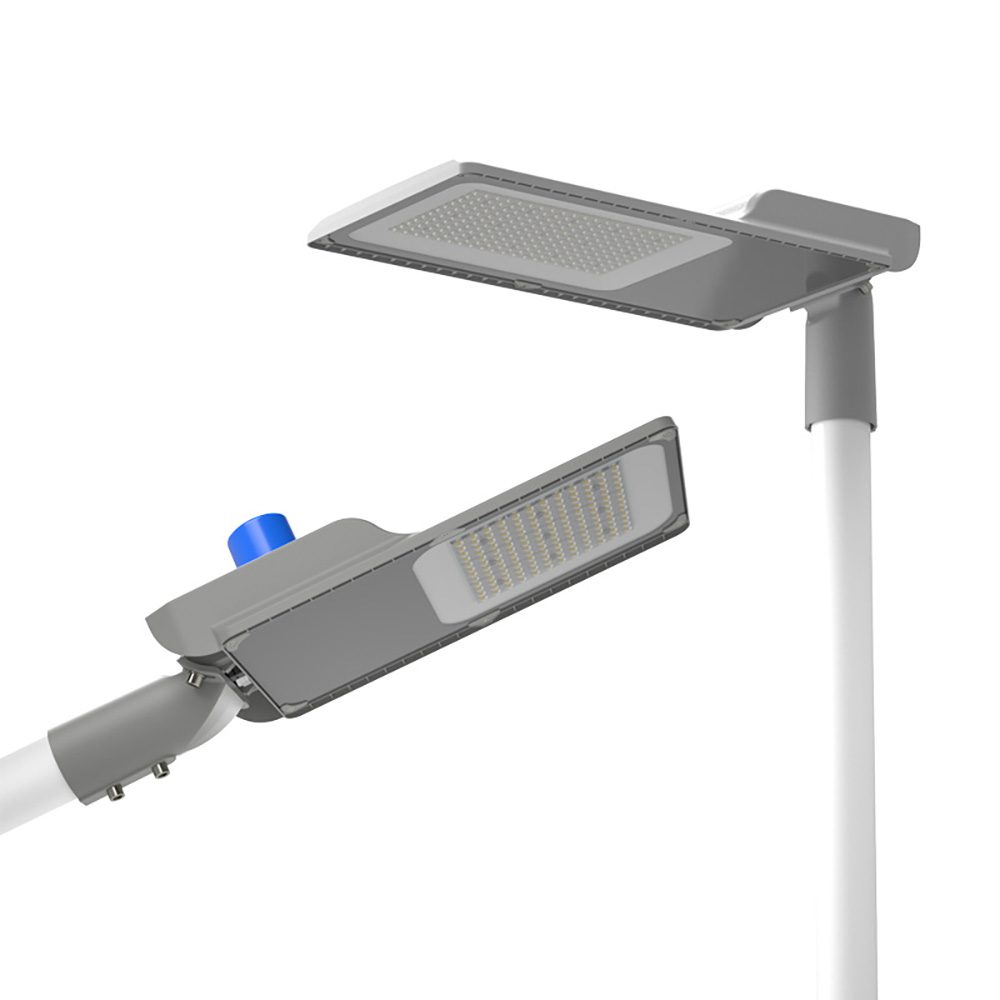
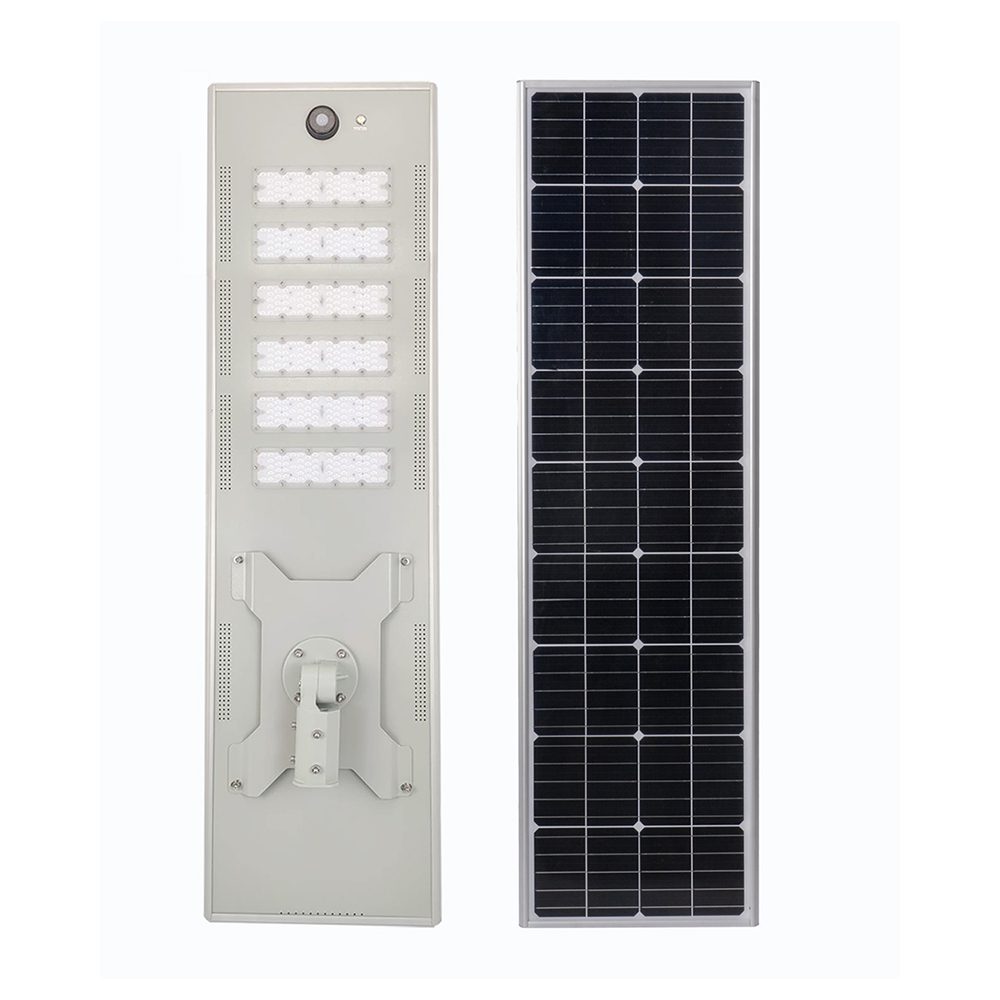

In modern urban management, solar street lights have gradually become an important choice for road lighting due to their eco-friendly and energy-saving features. However, faults in solar street lights often occur, causing issues in urban illumination. This article will analyze the common causes of solar street light failures and provide corresponding solutions.
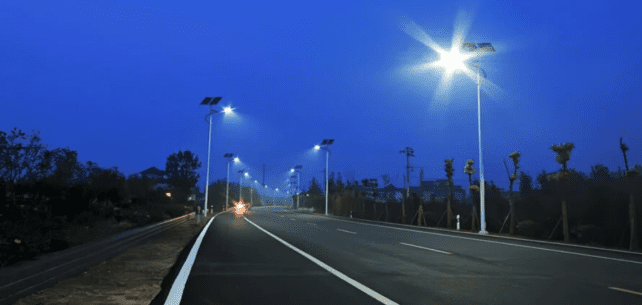
1.Common Fault Issues
Lights Not Working
This is one of the most common fault types and can significantly affect the overall lighting system.
Unstable Light Output
Street lights may flicker on and off, causing inconvenience to pedestrians and vehicles.
Controller Malfunction
The controller is a crucial component in regulating the operation of street lights, and if it fails, it may cause improper lighting operation.
Battery Damage
The battery is key for storing solar energy, and any issues with it will directly impact the street light’s functionality.
2.Analysis of Fault Causes
Environmental Factors
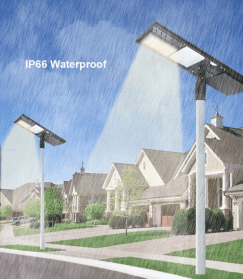
Solar street lights primarily rely on solar energy for power, so extreme weather conditions (such as prolonged rain or snow) can reduce light exposure, affecting battery charging.
Component Aging
With long-term use, each component of the solar street light (such as LED bulbs, batteries, and controllers) may suffer from aging and decreased efficiency, leading to failures.
Improper Installation
Improper or inappropriate installation (such as in shadowy areas) can hinder solar energy collection, resulting in insufficient battery charging.
Wiring Issues
If there are short circuits, open circuits, or poor connections in the wiring between the battery and the lights, it can cause a power supply interruption, resulting in non-functional lights.
Improper Controller Settings
If the controller settings do not align with actual needs, it may lead to improper operation in turning the lights on or off.
3.Solutions
Regular Inspection and Maintenance
Establish a routine inspection mechanism to check all components of solar street lights, particularly the status of batteries and LED lights. Clean the solar panels regularly to ensure they can receive sunlight efficiently.
Replace Aging Components
Timely replace any aging or damaged components to restore the normal functioning of the street lights. The replacement cycle for batteries and LED bulbs should be conducted regularly based on usage.
Choose Appropriate Installation Locations
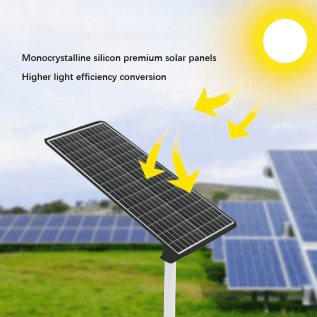
When installing solar street lights, select unobstructed areas to ensure maximum sunlight exposure. Additionally, ensure the height and angle of the lights provide optimal illumination.
Inspect Wiring and Connections
Regularly check the connections between the battery and the lights to ensure they are in good condition, without rust, damage, or other issues. Promptly repair or replace any problems found.
Adjust Controller Settings
Based on actual usage scenarios, adjust the controller settings appropriately. For instance, set reasonable on and off times to ensure the lights activate when needed.
As an environmentally friendly lighting solution, the faults in solar street lights should not be overlooked. By implementing regular inspections and maintenance, timely replacement of aging components, proper installation site selection, and adjusting controller settings, we can effectively reduce faults and enhance the efficiency of solar street lights, providing reliable protection for nighttime urban illumination. We hope this article will offer guidance and assistance in your use of solar street lights.