

As the world pursues sustainability and energy efficiency, solar street light systems have become a mainstream choice for outdoor lighting. As a professional outdoor luminaire manufacturer, we understand our customers’ concerns about product reliability, performance, and long-term value. Thanks to their self-sufficient nature, solar street light systems greatly reduce operating costs while supporting environmental goals. This article explains solar street light systems from three key perspectives—system components, how they work, and how to maintain them—to give you a clear, professional overview.
1.System Components
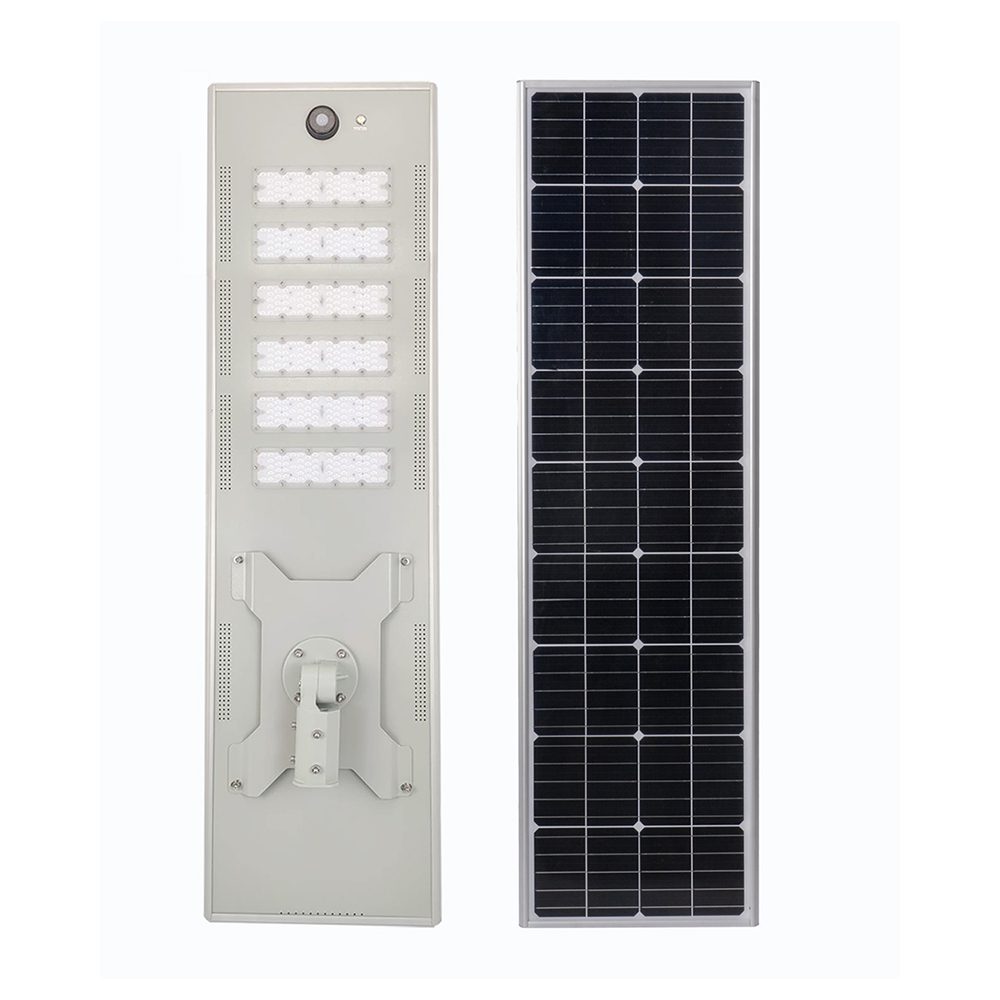
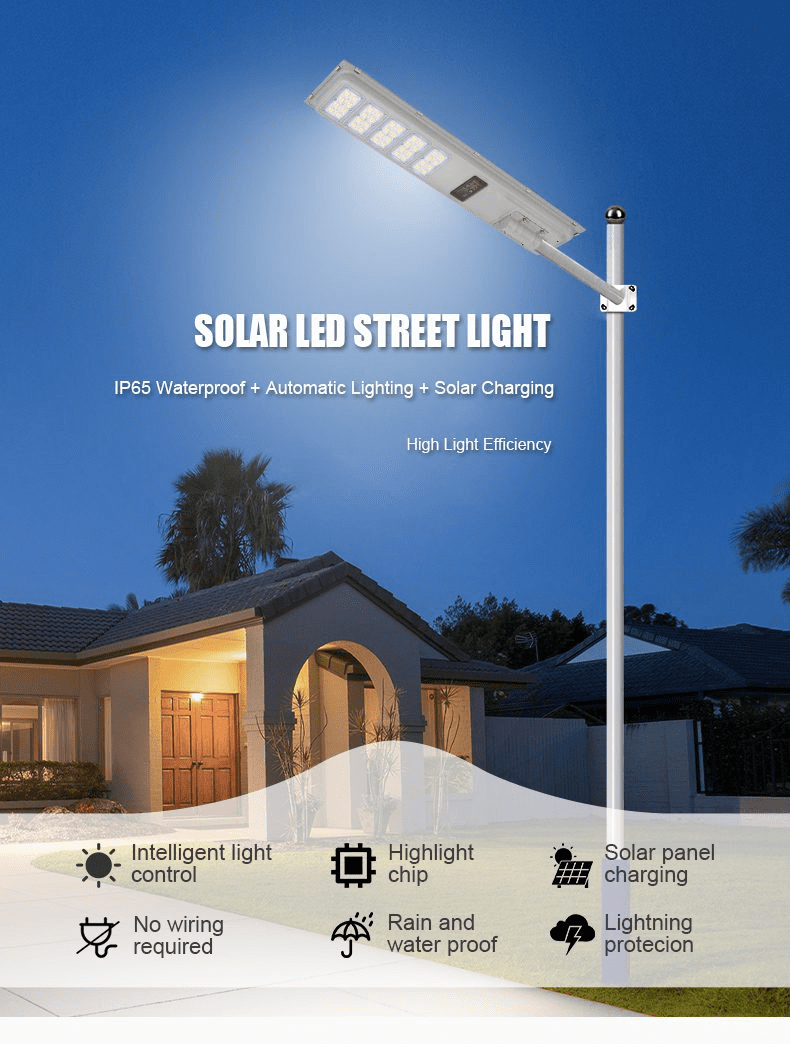
A high-efficiency, stable solar street light is essentially a compact, self-contained power station made of several critical parts designed to work together. Our product designs emphasize component compatibility and durability:
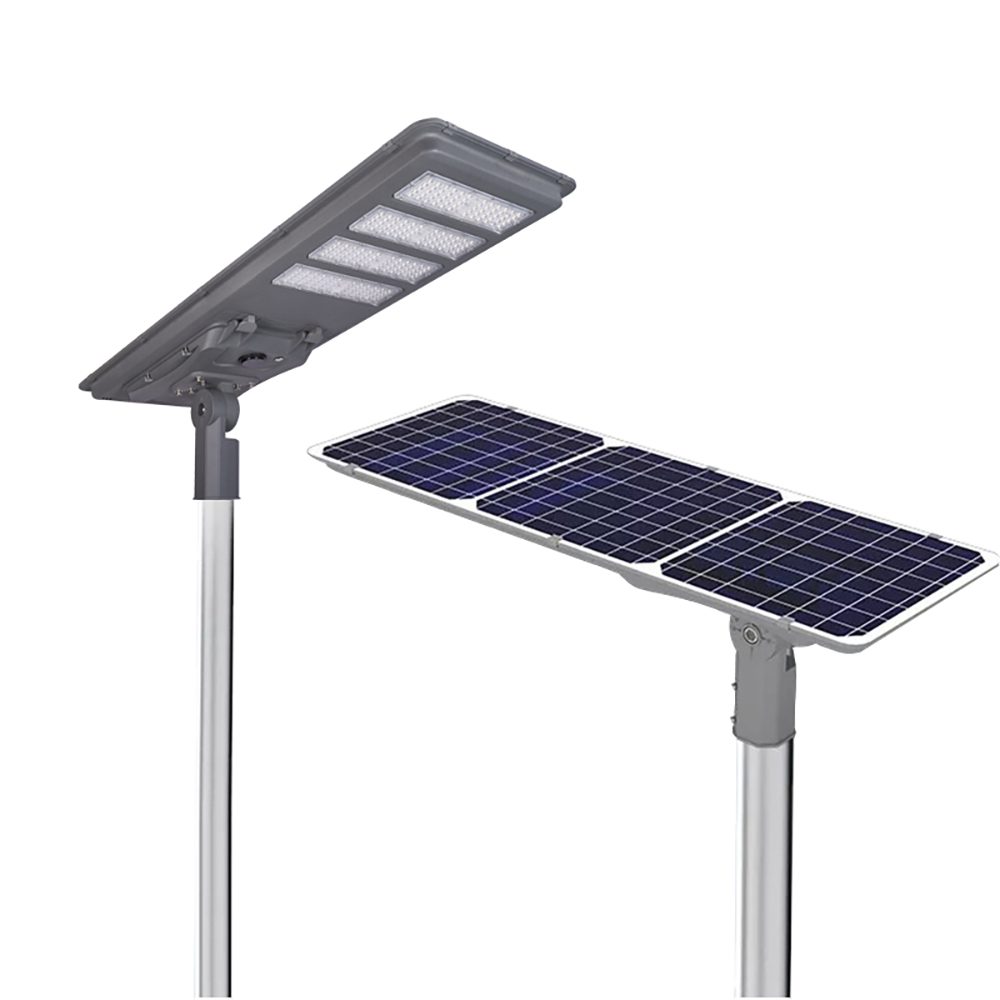
1.1 Solar panels: The energy harvesters of the system, typically made from high-efficiency monocrystalline or polycrystalline silicon cells. Their task is to capture sunlight and convert it into electrical energy via the photovoltaic effect—this is the system’s power source.
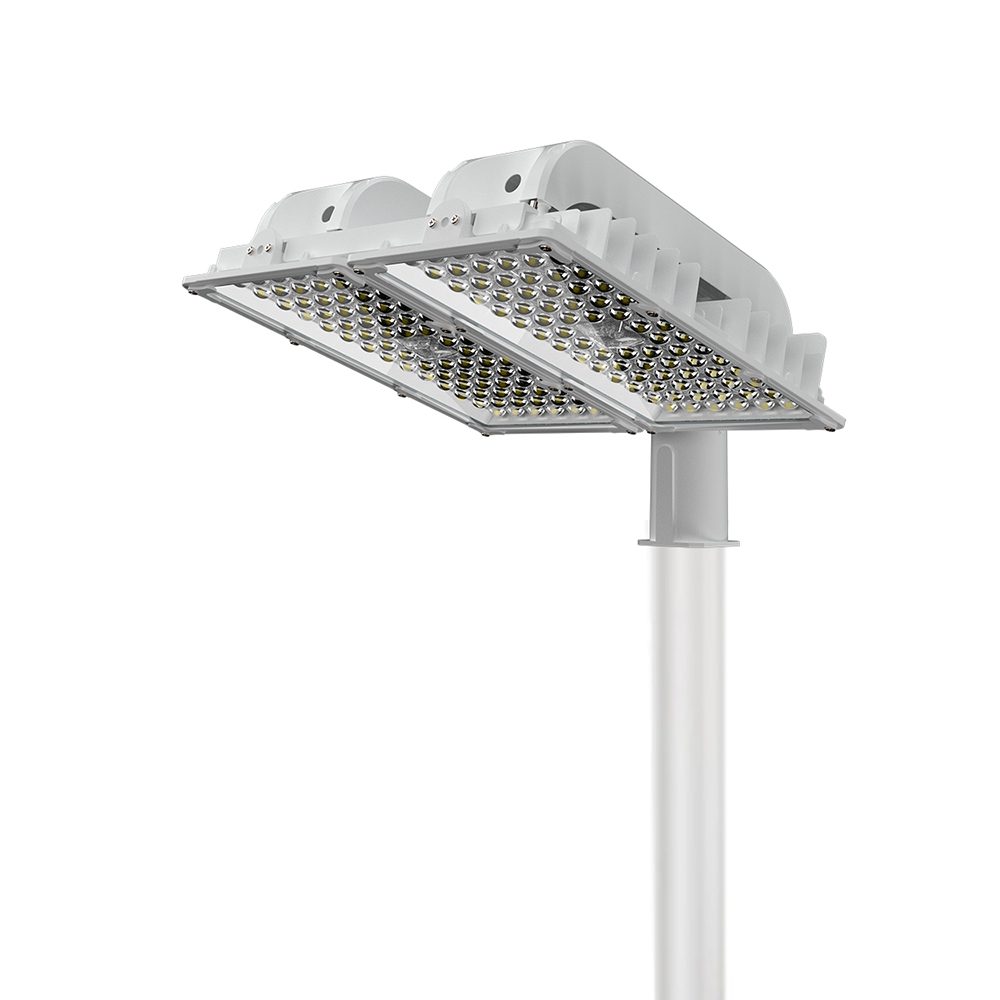
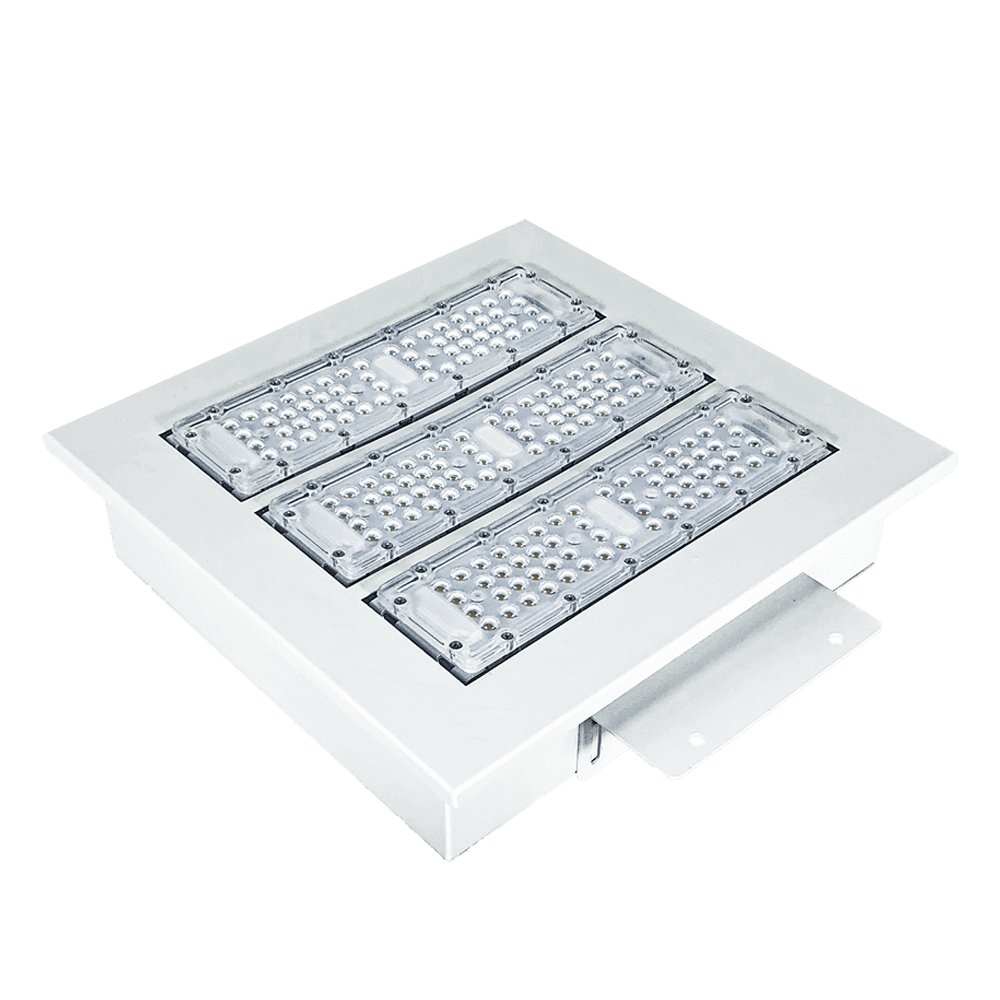
1.2 Light source: Modern solar street lights commonly use high-efficiency, long-life LEDs. LED technology provides sufficient illumination with low energy consumption.
1.3 Battery pack: The system’s energy storage unit stores the electricity generated during the day for use at night or during cloudy periods. Batteries commonly used today include long-life lithium batteries or sealed lead-acid/gel batteries, chosen for stability and performance.
1.4 Controller: The system’s “intelligent brain.” The controller manages charging from the solar panel, protects the battery from overcharge and over-discharge, and automatically controls lamp on/off and dimming according to ambient light or preset schedules.
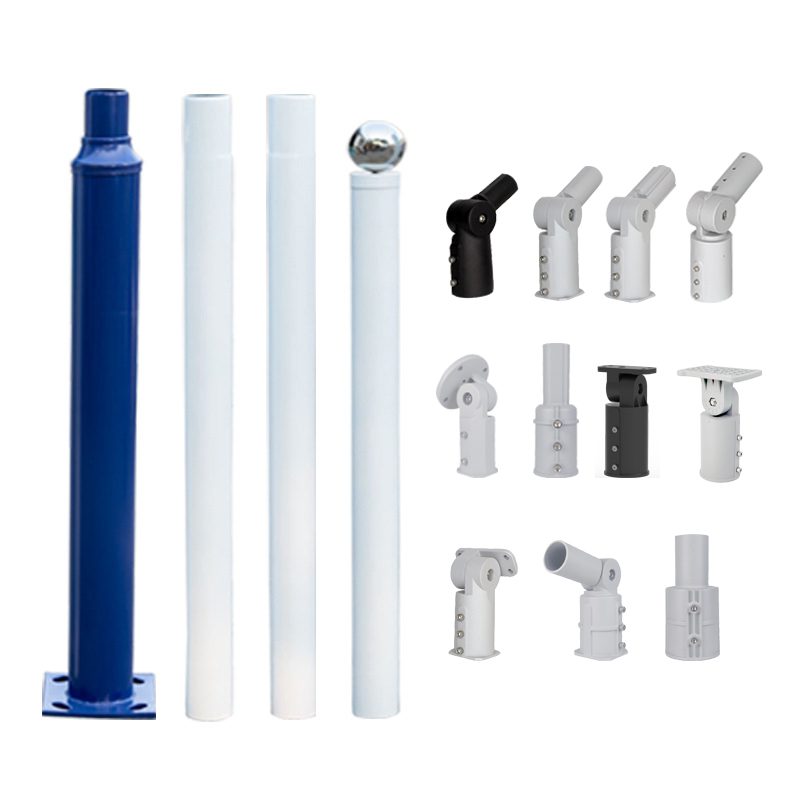
1.5 Pole and housing: Besides providing structural support, poles and housings require sufficient strength and wind-resistance design to ensure system stability—especially important for supporting the weight of the panels and luminaires and withstanding harsh weather.
2.How the System Works: An Automated Energy Cycle
The operating flow of a solar street light is a simple and efficient automated cycle:
2.1 Daytime charging: Solar panels absorb sunlight and convert it into DC electricity.
2.2 Energy storage and regulation: The generated current passes through the controller, which charges the battery in an optimal mode according to the battery’s state of charge.
2.3 Nighttime illumination: When ambient light drops below a preset threshold (e.g., dusk), a light sensor triggers the controller to draw power from the battery to the LED fixture, automatically turning the light on.
2.4 Intelligent management: The controller continuously monitors battery status and adjusts lamp brightness during the night according to preset programs (timed dimming or motion-sensing), balancing energy savings and battery life extension.
3.Maintenance to Ensure Long-Term Reliable Operation
Although our solar street light systems are designed to be low-maintenance, regular inspections and basic upkeep are essential to keep the system performing optimally for years:
3.1 Clean the solar panels: This is the most important maintenance task. Dust, sand, or bird droppings can significantly reduce photovoltaic efficiency. Clean panels periodically with a soft cloth and water according to local conditions (dusty areas require more frequent cleaning). Avoid abrasive tools or chemical solvents that could scratch the surface.
3.2 Check the controller and battery: Controller indicator lights provide an initial status check. Regularly verify that the battery is charging and discharging properly, that electrical connections are tight, and that there is no corrosion. Battery replacement cycles typically range from 2 to 7 years depending on battery type and usage—follow the manufacturer’s guidance for replacement timing.
3.3 Inspect structural components: Check that pole bolts and fastenings are secure and that luminaire housings maintain waterproof seals to prevent water ingress and potential short circuits.
By choosing our high-quality solar street light systems and following recommended maintenance practices, your outdoor lighting projects can achieve long-term, reliable, zero-grid-cost green illumination.