

DALI (Digital Addressable Lighting Interface) is an open digital communication protocol for lighting control widely used in commercial and building lighting systems. It enables addressing, control, and monitoring of individual luminaires or groups via digital signals, supporting dimming, scene presets, status feedback, and fault diagnostics. Below are DALI’s main advantages and typical application scenarios.
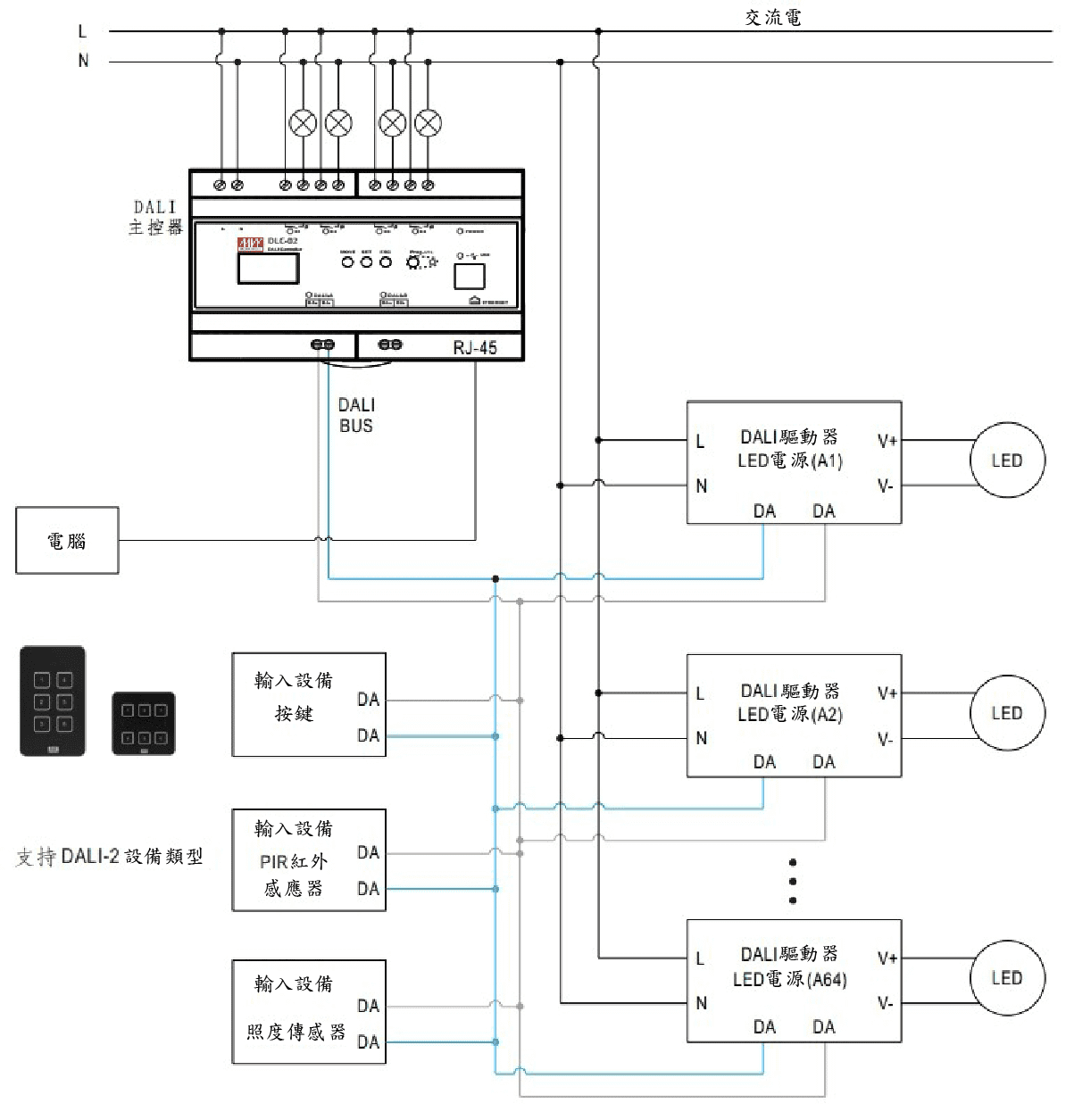
1. Key Advantages of DALI
Precise addressing and group control
Each DALI device (e.g., driver, luminaire, or control unit) has a unique address (typically up to 64 addresses per line; DALI-2 supports expanded addressing and gateways). This allows independent control of single fixtures or arbitrary groups, suitable for complex zoning and varied usage requirements.
Two-way communication and status feedback
DALI supports device-to-controller feedback (such as on/off status, fault alerts, operating hours, and current brightness), facilitating operation & maintenance, remote monitoring, and preventive maintenance.
High-quality dimming and flicker-free operation
Digital dimming enables linear or programmable dimming curves. Paired with high-quality drivers, DALI systems achieve imperceptible flicker and stable light output, meeting requirements of video/photography and improving visual comfort.
Scene and schedule management
DALI supports scene presets and time schedules, enabling one-touch scene switching or automatic adjustments by time of day (e.g., workday/night/holiday modes), improving usability and energy savings.
Interoperability and standardization
DALI is standardized (IEC 62386 series). DALI-2 has enhanced device interoperability, allowing sensors, drivers, power supplies, and controllers from different manufacturers to work together in the same system, reducing vendor lock-in risk.
Scalability and integration
DALI can be integrated via gateways with higher-level building management systems (BMS), KNX, BACnet, Ethernet, or wireless networks, and can interwork with HVAC and security systems to build comprehensive smart-building solutions.
Energy savings and optimized maintenance
Fine-grained control (zoned dimming, occupancy sensing, daylight compensation) combined with operational data (energy consumption statistics, lifetime prediction) enables more effective energy management and lowers total cost of ownership (TCO).
2. Typical Applications of DALI in Lighting
Office buildings and meeting rooms
Scene control (meeting/presentation/work modes), daylight compensation (automatic dimming near windows), zoned control, and sensor integration (occupancy detection) enhance energy efficiency and user experience.
Educational facilities (classrooms, libraries)
Classrooms can switch among preset scenes for lecture, discussion, or exams; libraries can manage different illuminance standards for reading areas and stacks with zoned control.
Retail and supermarkets
Display areas, aisles, signage, and window displays can use individual scenes and illuminance strategies, with tunable CCT and high CRI to improve product presentation while saving energy.
Healthcare and eldercare facilities
Flicker-free, smooth dimming enhances visual comfort; combined with human-centric lighting strategies, DALI supports circadian lighting to improve patient and resident well-being.
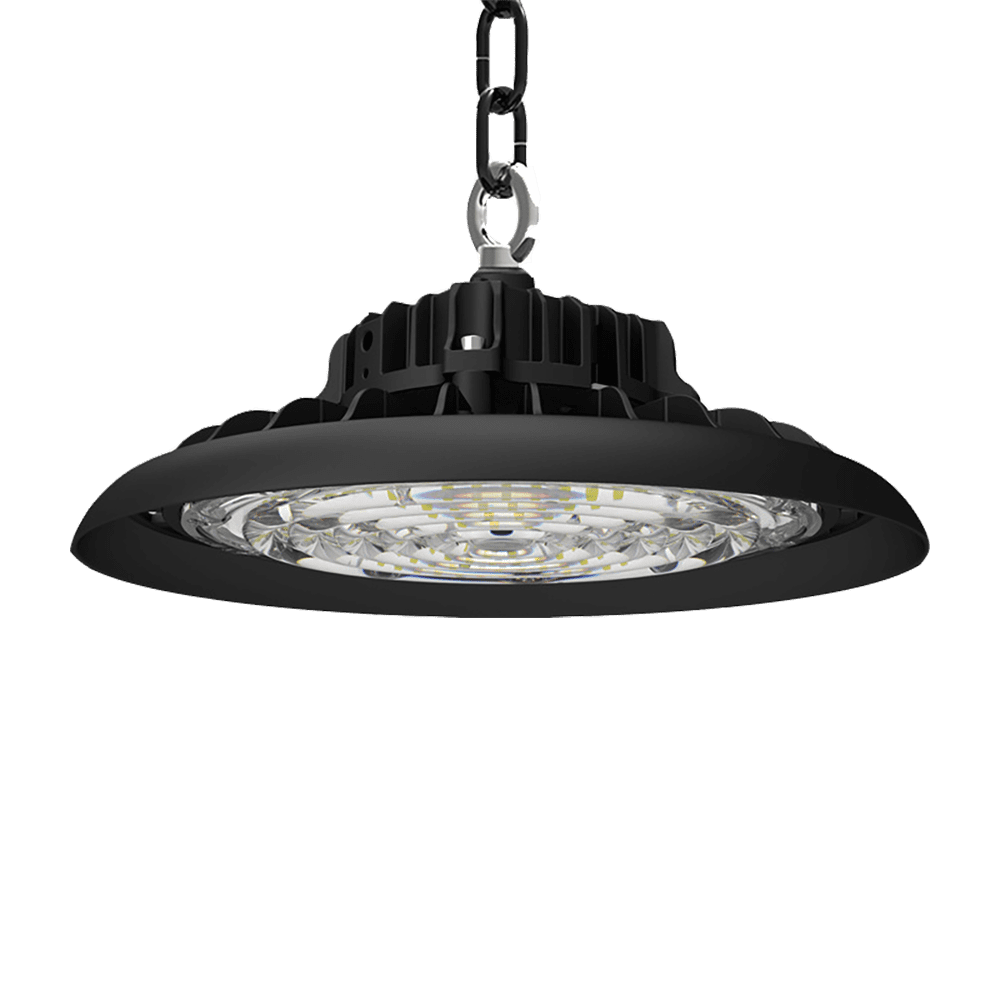
Industrial and warehouse environments
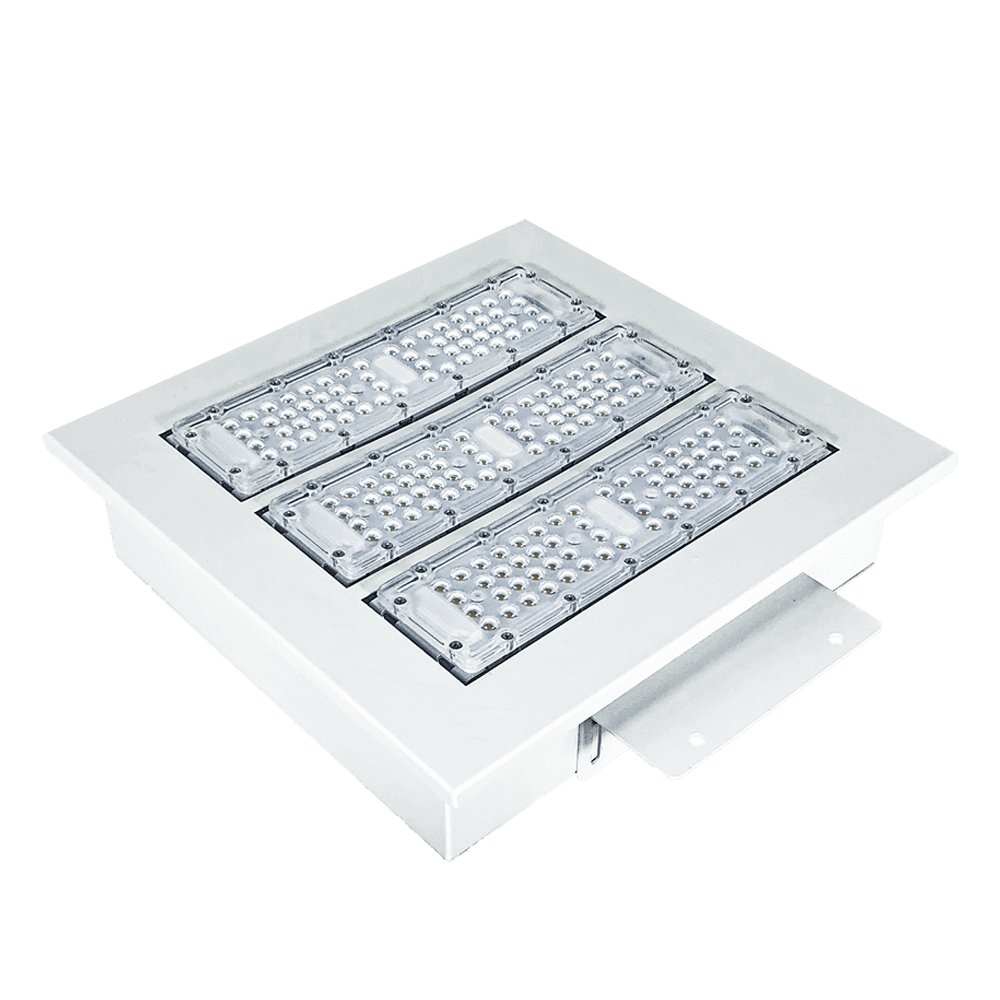
Zoned lighting, aisle/area on-demand activation, remote fault monitoring, and lifetime data reduce maintenance costs and improve operational safety.
Hotels and conference centers
Lobbies, guest rooms, banquet halls, and corridors can be managed by scenes to provide consistent experience, easy one-touch switching, and centralized control for operations.
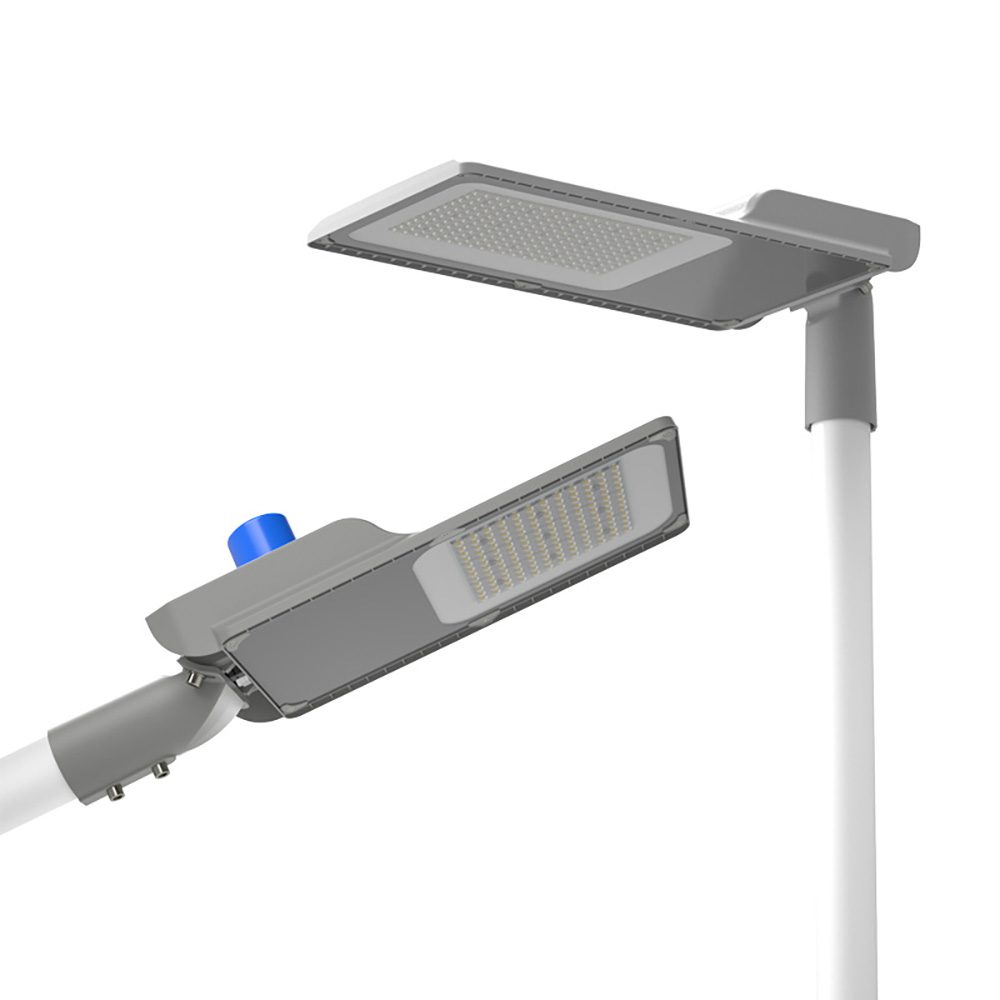
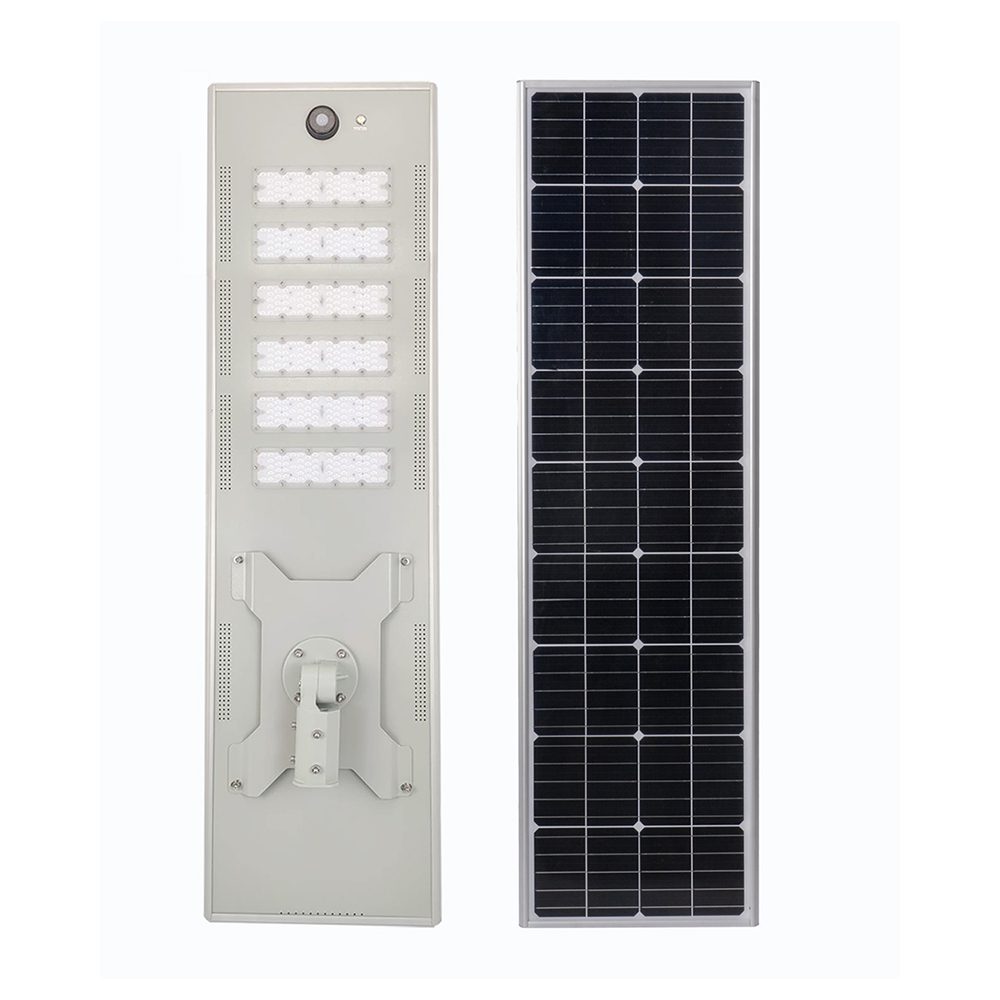
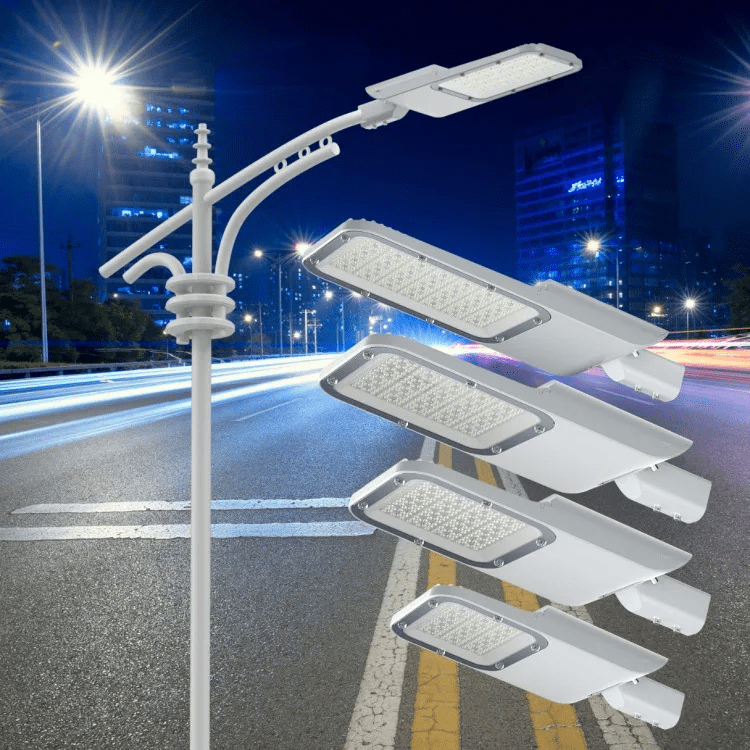
Outdoor and municipal lighting (with gateways and wireless)
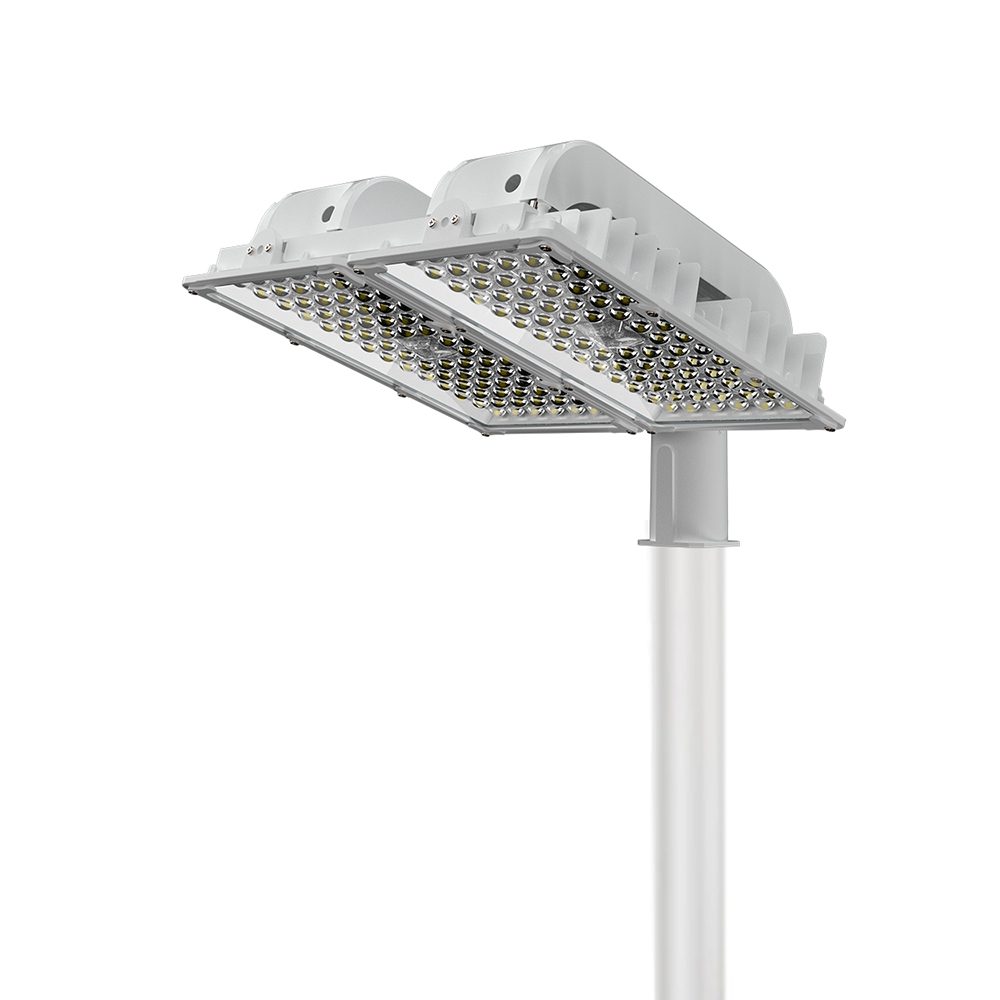
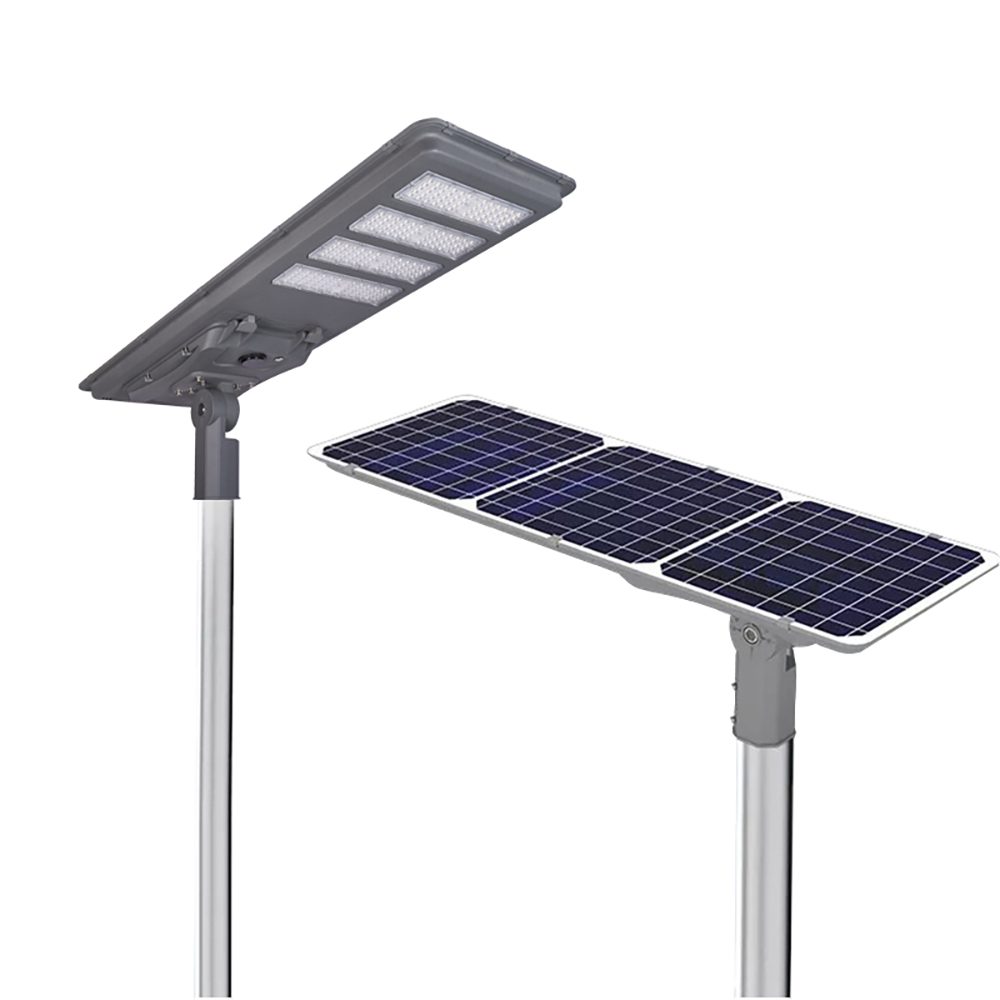
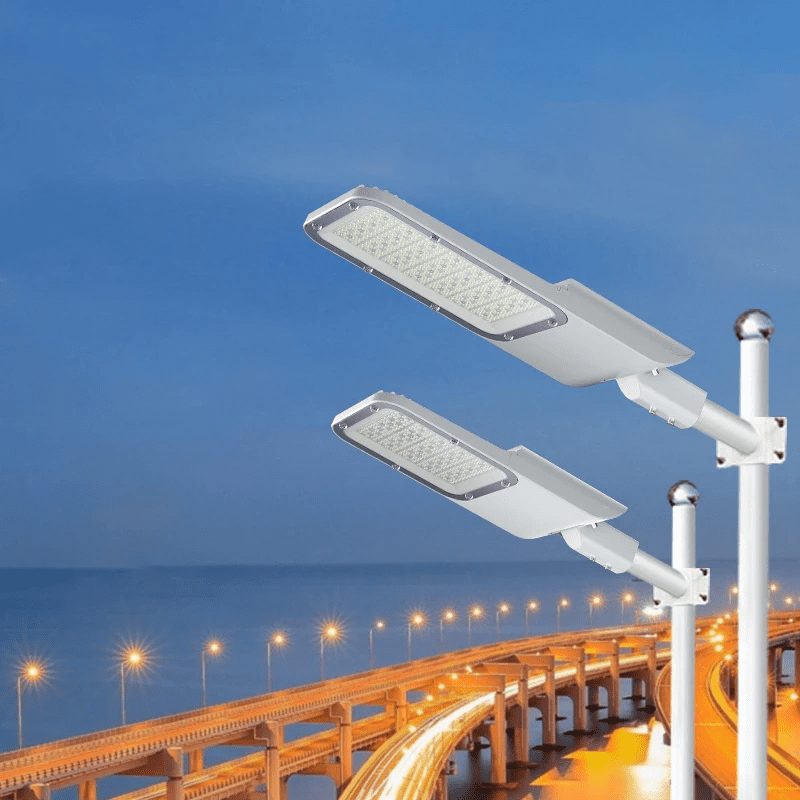
Streetlights and plaza lighting can connect to city management platforms via DALI gateways for scheduled/dynamic dimming, energy monitoring, and fault reporting.
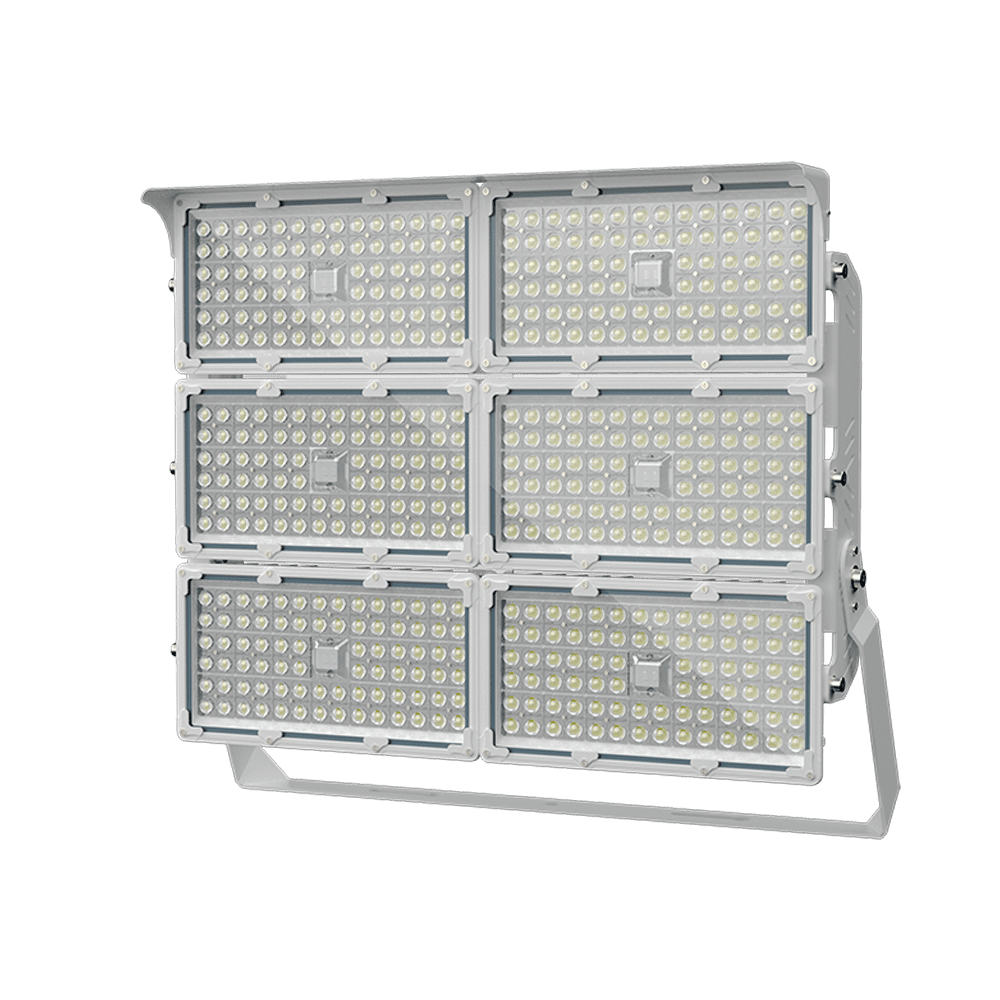
Sports venues and performance spaces
Precise brightness control, scene switching, and flicker-free operation are needed for broadcast and spectator experiences; DALI can interoperate with DMX or other performance control systems for complex effects.
3. Trends and Considerations for DALI
DALI-2 and device certification
DALI-2 improves interoperability, sensor and control device support. Prioritize DALI-2 certified products to ensure compatibility and full functionality.
Integration with other protocols
DALI is commonly connected to KNX, BACnet, Ethernet, or wireless networks via gateways. When selecting gateways, verify performance, latency, and maintenance pathways.
Network topology and wiring limits
Traditional DALI bus has limits on cable length and device count (influenced by line capacitance and termination). For large projects, consider gateway/segmentation strategies or IP-based DALI-2 over IP solutions for scalability.
Security and network management
When integrating DALI into building networks or cloud platforms, consider cybersecurity, access control, and data privacy to prevent unauthorized control or data leaks.
Cost and return on investment
DALI systems typically have higher upfront costs than simple switch/analog control solutions. However, energy and maintenance savings, flexible scene management, and extended luminaire lifetime often deliver favorable mid-to-long-term ROI.
With digital addressing, two-way communication, and rich control capabilities, DALI is a foundational technology for modern smart lighting systems. Proper use of DALI can significantly improve lighting quality, operational efficiency, and energy performance across commercial buildings, educational and healthcare facilities, industrial sites, and municipal infrastructure. Manufacturers should prioritize support for standardized DALI-2 protocols, provide certified devices and gateway integration options, and address cybersecurity and expandability to meet growing customer demands for intelligent lighting.